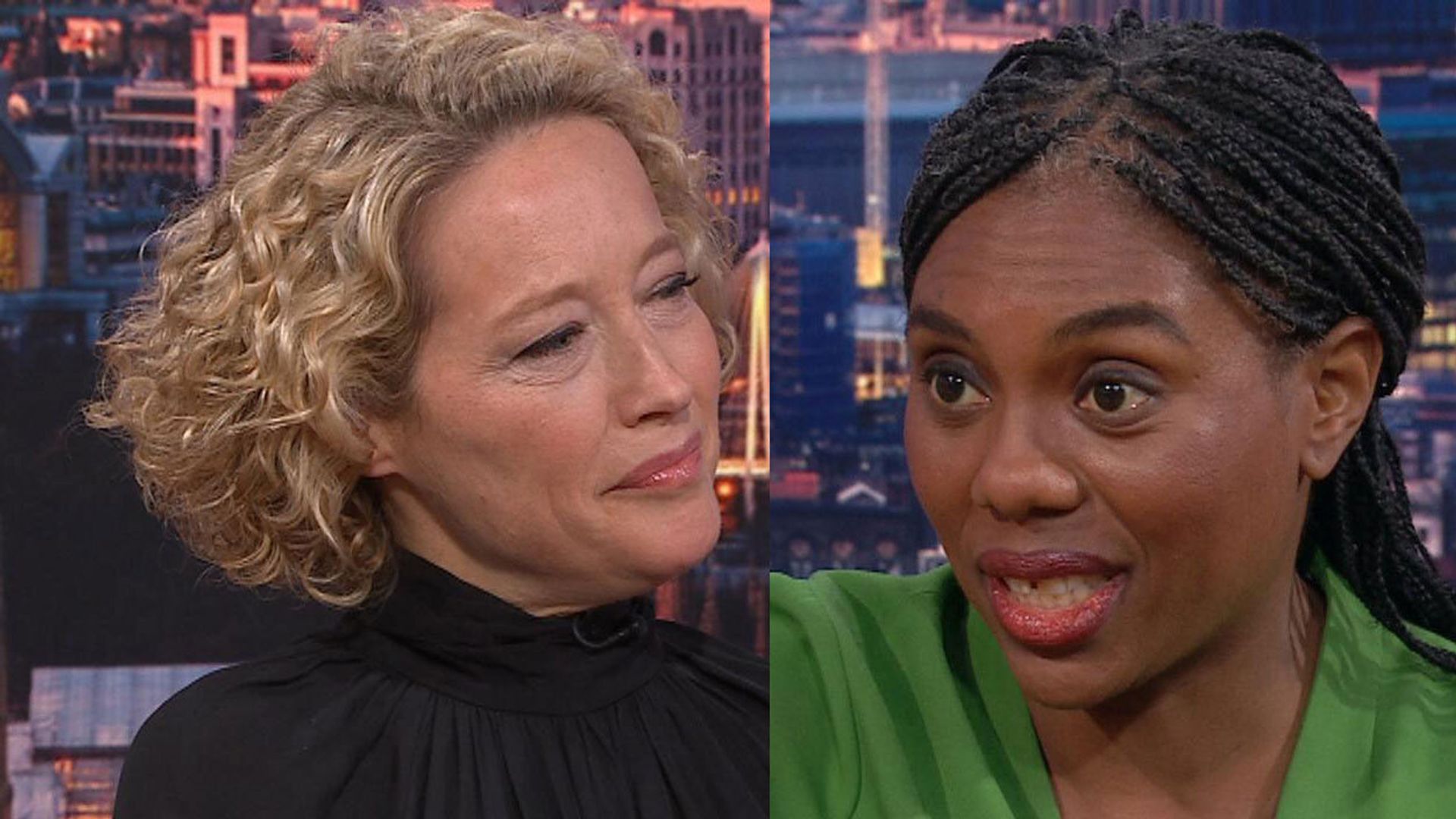
The British political system isn't just broken. It's unrecognizable. If you still think we’re living in a world where two big parties pass a baton back and forth every decade, you’re not paying attention. Kemi Badenoch recently sat down with Cathy Newman and didn't just defend her record; she basically declared the old rulebook dead.
The era of two-party politics is over. Honestly, it’s about time someone in Westminster admitted it.
For years, the "big two" relied on tribal loyalty. You were either a Tory or you were Labour, and that was that. But look at the House of Commons today. Look at the vote shares. The duopoly is crumbling because people are tired of being told they only have two flavors of the same bland soup. Badenoch’s point to Newman wasn't just a defensive crouch—it was a recognition of a fragmented, chaotic reality where smaller parties and independent movements are no longer just "protest votes." They’re the new power brokers.
The Golders Green Crisis is a National Emergency
While the political pundits were busy dissecting her poll numbers, Badenoch pivoted to something far more visceral. The arson attack in Golders Green. On March 23, 2026, four Hatzola ambulances were set on fire in North London. Oxygen cylinders exploded. Windows shattered. A community was terrified.
Badenoch isn't calling this a "hate crime" or an "unfortunate incident." She’s calling it a national emergency.
She’s right to be aggressive here. When life-saving medical vehicles are targeted because of the community they serve, it’s not just a local police matter. It’s a breakdown of the social contract. Badenoch’s stance is clear: Britain won't tolerate this kind of blatant antisemitism. While the government issues measured statements, she’s using the language of crisis. It’s a deliberate move to show she’s the one willing to call a spade a spade.
Defending a Record Under Fire
Cathy Newman didn't give her an easy ride. The interview quickly turned to Badenoch’s own leadership and the baggage the Conservative Party carries. The critics say she’s patronizing. They say she misses the point. They point to the polls where both she and Keir Starmer are basically flatlining.
But Badenoch’s defense is surprisingly simple. She’s not trying to "reheat the 1990s." She’s trying to build something for 2026 and beyond. She’s leaning into the "straight talker" persona that got her the leadership in the first place. Whether it’s slamming the Prime Minister over the Peter Mandelson vetting scandal or questioning why Rachel Reeves still has a job, she’s positioning herself as the only person in the room willing to be "difficult."
The Mandelson row is a perfect example. Starmer was caught in a trap over the US Ambassador appointment, and Badenoch didn't let go. She called it a matter of national security, not just "sloppy paperwork." By framing these issues through the lens of standards and discipline, she’s trying to scrub the "drama queen" label off the Tory party and stick it onto Labour.
Why the Two Party Era is Actually Dead
We’ve seen the rise of Reform. We’ve seen the Greens making inroads. We’ve seen independent candidates taking seats that used to be safe for a century.
- Voter Volatility: People change their minds every week now. Loyalty is dead.
- The Rise of Niche Issues: From gender identity to Gaza, single-issue voters are dictating election outcomes.
- Trust Deficit: Neither major party has a mandate that feels "solid."
Badenoch knows this. She told Newman that the "centre ground" is a myth. Instead, she’s looking for "common ground." It’s a subtle but important distinction. The centre ground is where you compromise until nobody is happy. The common ground is where you find the core values most people actually care about—like secure borders and an economy that actually works for people who play by the rules.
The Reality of Leadership in 2026
It’s easy to sit in a TV studio and pick apart a leader’s popularity. It’s much harder to manage a party that’s been in the wilderness while the country feels like it’s fraying at the edges. Badenoch’s "national emergency" rhetoric regarding Golders Green isn't just about one fire. It’s about a feeling that the authorities have lost control.
She’s betting that the public is more interested in someone who sounds like they’ve noticed the house is on fire than someone who’s calmly explaining why the smoke is actually "within acceptable parameters."
If you’re watching the political landscape, stop looking for a "return to normal." There is no normal. We’re in a multi-polar political world now. Badenoch is leaning into that chaos because she knows that in a fragmented system, the person with the loudest, clearest voice usually wins the most ground.
Don't wait for a poll to tell you who's winning. Look at who's setting the agenda. Right now, by forcing the conversation toward national security and the death of the old guard, Badenoch is doing exactly that.
The next step for any voter is to stop looking at "Red vs Blue" and start looking at who actually understands the new, fractured map of British life.