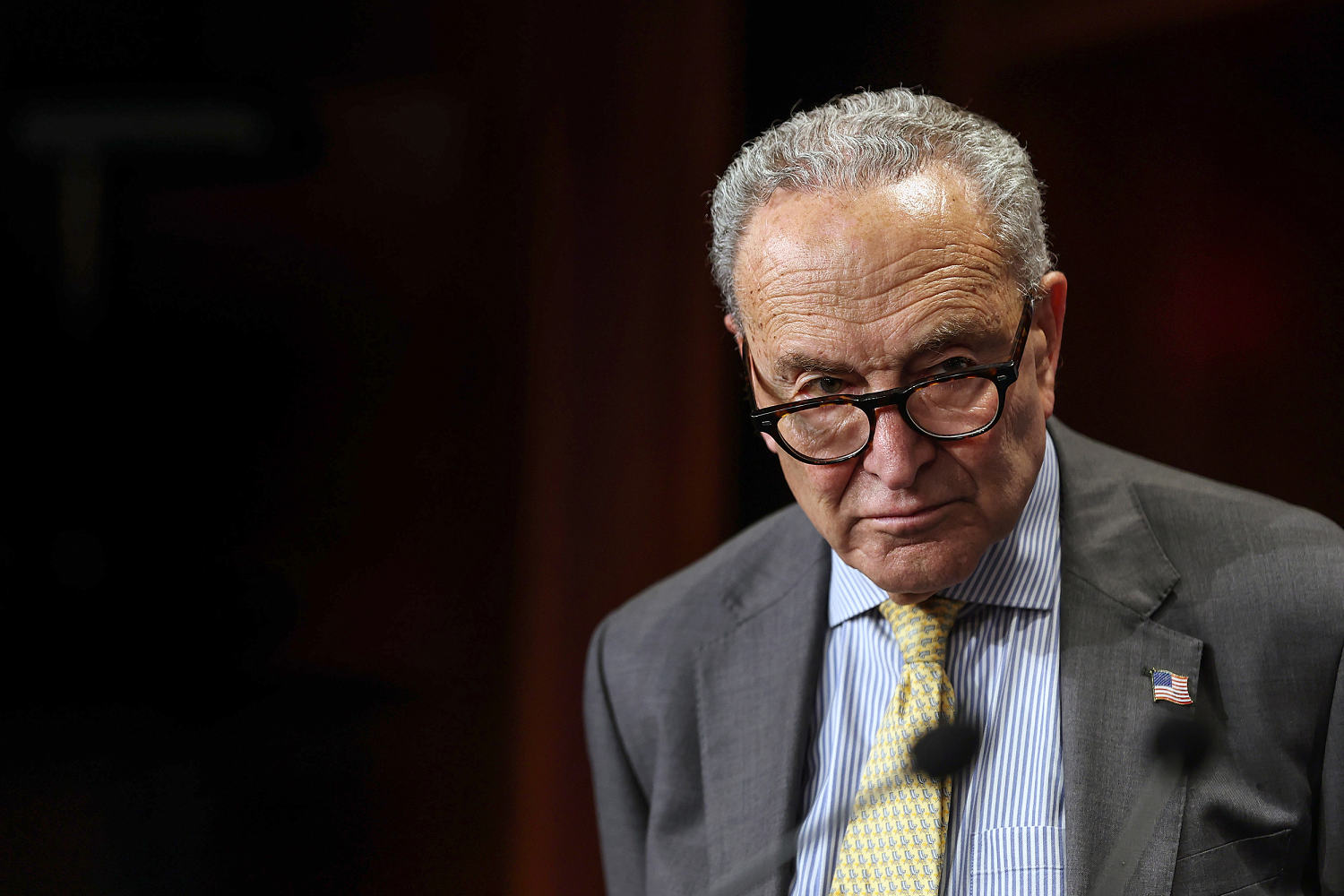
Headlines across Britain are dominated by a massive political gamble. Kemi Badenoch is pushing hard to upend climate consensus, proposing a sweeping rollback of environmental regulations alongside a sharp contraction in global dealmaking. If you look past the standard
Why Kemi Badenoch is Risking it All on a Green Law Bonfire
news
Politics loves a bonfire. Kemi Badenoch knows this better than most.
While the British press splashes front pages with her provocative plans to scrap environmental regulations, the real story gets buried beneath the noise. Headlines scream about a reckless abandonment of net-zero targets. Business columnists panic about regulatory chaos. But if you look past the partisan theater, a much larger collision is happening between political survival and global economic reality.
Global dealmaking is tanking. Investment capital is sitting on the sidelines, waiting for certainty that politicians simply aren't providing. When a prominent Conservative politician starts talking about torching red tape, markets don't just hear deregulation. They hear instability.
Let's look at what is actually happening behind the press releases.
The Reality of Green Red Tape
Every bureaucracy loves a rule. Over decades, the UK accumulated a massive stack of environmental statutes inherited from European Union directives. Proponents argue these laws keep rivers clean and air breathable. Critics like Badenoch argue they choke infrastructure projects, delay housing developments, and stall economic growth.
Both sides are partially right. That is what makes this fight so vicious.
You cannot build a new motorway or a modern energy grid if every single mile requires five years of environmental impact assessments. Construction companies face endless delays. Small business owners drown in paperwork just to prove compliance with obscure directives written in Brussels ten years ago.
Yet, throwing a match at the rulebook creates a vacuum. Investors hate vacuums. If you tell an international energy firm that tomorrow all environmental standards might change, they take their capital elsewhere. They go to markets with predictable rules, even if those rules are stricter.
The Global Dealmaking Drought
While Westminster argues over green laws, international mergers and acquisitions are suffering through a prolonged slump. Interest rates remain elevated compared to the cheap-money era of the 2010s. Corporate boards are cautious. Deal volumes are down across London, New York, and Frankfurt.
When dealmakers look at the UK right now, they see mixed signals. On one hand, politicians promise growth, deregulation, and enterprise. On the other hand, major policy reversals create whiplash.
You cannot pitch Britain as an agile, free-market powerhouse while simultaneously signaling that environmental commitments are up for grabs every time the cabinet changes. Stability drives capital. Volatility repels it.
Why the Press Gets It Wrong
Newspaper front pages love a culture war. The framing is always simple: greedy politicians versus save-the-planet activists. It plays well on social media. It generates clicks.
It also misses the point entirely.
The debate isn't actually about whether we love trees or money. It is about state capacity. Can the British state build anything efficiently anymore? The answer right now is no. Bureaucracy has calcified to the point where simple infrastructure projects cost twice as much and take three times longer than they do in comparable economies.
Badenoch's supporters argue that radical surgery is the only cure. They believe that a dramatic bonfire of regulations is the shock treatment the British economy needs to restart private investment.
Her critics counter that deregulation lowers standards without actually speeding up projects. They point out that planning delays are usually caused by underfunded local councils, not EU-era environmental protections.
Both arguments deserve scrutiny. Neither is getting enough airtime in the daily press cycle.
What Happens Next for Business Leaders
If you are running a company or deploying capital right now, you cannot afford to wait for politicians to figure this out. Political rhetoric changes weekly. Balance sheets require stability.
Stop trying to time regulatory shifts. Build compliance frameworks that can survive political pendulum swings. If you rely entirely on favorable deregulation to make your business model work, your foundation is weak.
Focus on operational execution. Ignore the front-page shouting matches. The companies winning in this market are the ones ignoring the Westminster soap opera and focusing on genuine productivity gains.
The green law bonfire might make good headlines. It rarely makes good business.