The neon light of a Berlin safehouse flickers with a desperate, low hum. Outside, the wall stands like a scar across the earth. Inside, two men who should be enemies are arguing about tea.
History taught us to remember the Cold War in shades of gray. Monotone concrete. Heavy woolen coats. Silent men staring across heavily armed borders with binoculars pressed to their eyes, waiting for a button to be pushed that would end the world. We romanticize the tension because it feels safe in the past. But danger has never actually been quiet. Danger is messy. Danger wears a wry smirk, spills its drink on a classified dossier, and wonders aloud if the guards outside have any decent snacks.
Enter Mayday.
Kenneth Branagh and Ryan Reynolds have teamed up for an action-comedy that takes the rigid, suffocating paranoia of mid-century espionage and throws it directly into a blender. It is irreverent. It is loud. It refuses to take itself seriously, which makes the moments it accidentally hits an emotional nerve sting all the sharper.
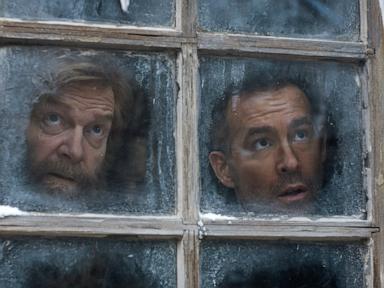
Picture the scene. A damp basement in 1962. The air smells of cheap tobacco and damp wool. Reynolds plays the operative who relies entirely on improvisation and a quick tongue, a man who treats a high-stakes intelligence leak like an inconvenient parking ticket. Across from him sits Branagh, playing the veteran spymaster with a posture so rigid it looks like he swallowed a filing cabinet. Branagh does not blink. He simply stares with the weary exasperation of a schoolteacher who has spent forty years explaining algebra to a brick wall.
That dynamic drives the film. It is oil meeting water, set against a backdrop of geopolitical catastrophe.
We often forget that behind every major historical standoff were tired human beings making things up as they went along. Real espionage is rarely a sleek masterclass in tactical precision. More often, it is a comedy of errors executed in a foreign language with a poorly forged passport. Mayday leans heavily into this truth. When Reynolds’ character botches a simple tail, he doesn't slip seamlessly into the shadows. He ducks into a children's puppet show, wearing a false mustache that is visibly peeling off due to sweat.
The audience laughs. Yet underneath the slapstick lies a sharper commentary on how absurd the entire geopolitical machinery truly was. Two superpowers staring each other down over nuclear arsenals, while the people actually running the ground game are desperately trying to find a working telephone booth that isn't bugged by the KGB.
Branagh brings a tragicomic weight to the proceedings. His character has seen too many agents go into the cold and never come back. When he delivers a deadpan threat, you can hear the exhaustion of a man who has signed one too many casualty reports written in triplicate. He wants to retire to a cottage in Wales and grow miserable roses. Instead, he is stuck in the back of a stolen Trabant with Reynolds, who is currently attempting to fix the car's sputtering engine using a hairpin and absolute sheer optimism.
Action comedies live or die by chemistry. If the leads do not spark, the explosions just feel loud and empty. But pairing Branagh's classical, Shakespearean timing with Reynolds' hyper-modern, meta-aware cadence creates a strange, beautiful friction. It is high art crashing directly into a pie in the face.
Consider what happens next in the narrative arc. The mission goes sideways. Obviously. The safehouse is compromised. The local authorities are closing in. Most films would pivot here into gritty, unrelenting violence. Mayday pivots into a frantic, dialogue-heavy foot chase through a bustling fish market where cod becomes an improvised weapon and diplomatic immunity is debated while sprinting past terrified vendors.
It is silly. It is unapologetic.
And yet, by the time the credits roll, you realize you care about these two idiots. You care because beneath the razor-sharp quips and the pyrotechnics, the film remembers that human connection is the only thing that survives the fallout. Ideologies crumble. Walls get torn down. But the memory of sharing a terrible cup of coffee in a damp basement with someone who kept you alive when the world wanted you dead? That lingers.
A single cigarette burns down to the filter in an ashtray, casting long, wavering shadows against a wall that will eventually cease to exist.