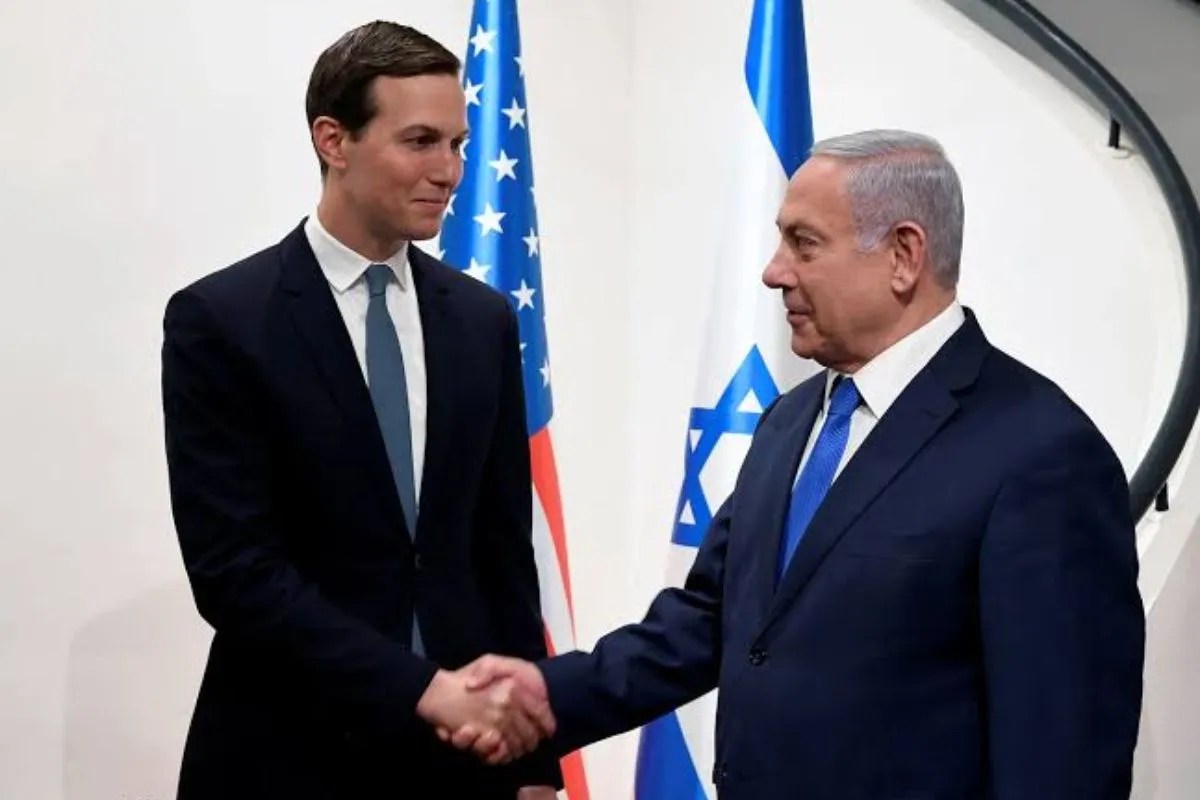
The media circus surrounding Jared Kushner’s involvement in Middle East diplomacy is built on a foundation of intellectual laziness. Every time his name surfaces in relation to Gaza, the narrative is predictable: he is an outsider, a partisan figure, or a diplomatic novice meddling in a hornet’s nest that seasoned professionals have failed to manage for decades. This consensus is not just wrong; it is dangerously naive. It assumes that the status quo—a cycle of endless, failed bureaucratic negotiations led by career diplomats—is actually working, or at least that it represents the "correct" way to do things.
It does not. The professional diplomatic corps has been rearranging deck chairs on the Titanic since 1948.
The obsession with "secret meetings" and the panic that a peace plan is "stuck" ignores the primary reality of the region. The conflict is not a puzzle to be solved with more UN resolutions or better-worded ceasefires. It is a transactional mess that requires a brutal, unsentimental approach. Kushner is one of the few actors who understands that the Middle East does not respond to moral appeals. It responds to incentives, leverage, and the cold reality of shifting regional alliances.
When critics argue that Kushner’s previous work, like the Abraham Accords, is irrelevant to the current crisis, they reveal their own inability to understand strategic momentum. The Abraham Accords were not a minor side project; they were an acknowledgment that the Palestinian issue had been decoupled from broader Arab-Israeli normalization. That realization was the most significant shift in regional politics in half a century. The "professionals" hated it because it stripped them of their leverage. Now, as the Gaza situation reaches a boiling point, those same professionals are terrified that Kushner might apply the same transactional logic to the most intractable part of the map.
Imagine a scenario where the old guard continues to dictate policy. We get more "humanitarian pauses," more public shaming, and zero progress on the ground. This is the definition of insanity—performing the same diplomatic theater and expecting a different outcome. The status quo survives because it is comfortable for the people in power; it ensures that their services remain required indefinitely.
Kushner’s strength is that he does not care about the etiquette of the State Department. He views the conflict through the lens of a developer looking at a bankrupt project. He knows that peace in the Middle East is not about resolving centuries of historical grievance. It is about creating a situation where the cost of conflict becomes prohibitively expensive for all parties involved, while the benefits of cooperation become too lucrative to ignore.
Critics love to point at the "failed" peace plans of the past as proof that outsiders should stay away. They miss the obvious point: the plans failed because they were designed by people who believed in the inherent goodness of the parties involved. That is a luxury we cannot afford. You don't negotiate with Hamas or the current Israeli government because they are your friends; you negotiate because you have backed them into a corner where they have no other viable move.
The fear that a "peace plan is stuck" is the wrong fear entirely. The plan should be stuck. The plan should be agonizingly slow because the moment you rush a deal in this theater, you build it on sand. The real danger is the desperation to announce a victory before the underlying market conditions have shifted.
I have watched enough "peace processes" collapse to know that the most effective deals are made in the shadows by people who do not need to read a briefing book to understand who controls the money and who controls the guns. If Kushner is meeting with the power brokers, he is doing the actual work. Everyone else is just reading headlines.
The uncomfortable truth is that the traditional diplomatic framework is effectively dead. It has been replaced by a series of regional power struggles that care very little for Western sensibilities or the protocols of international law. If you want a result, you have to work within that reality. You have to be willing to be the villain in the eyes of the establishment to secure an outcome that actually changes the trajectory of the conflict.
The hand-wringing over Trump’s son-in-law meeting with anyone is a distraction for people who prefer the comfort of a failing system over the uncertainty of a disruptive one. If we are waiting for a committee of diplomats to sign a document that makes everyone happy, we will be waiting until the region turns to ash. Real change is rarely polite, and it never comes from the people who built the gridlock in the first place. Stop asking for permission to be effective. The dealmaker’s job is to break the deadlock, not to ensure that every participant leaves the table feeling respected.