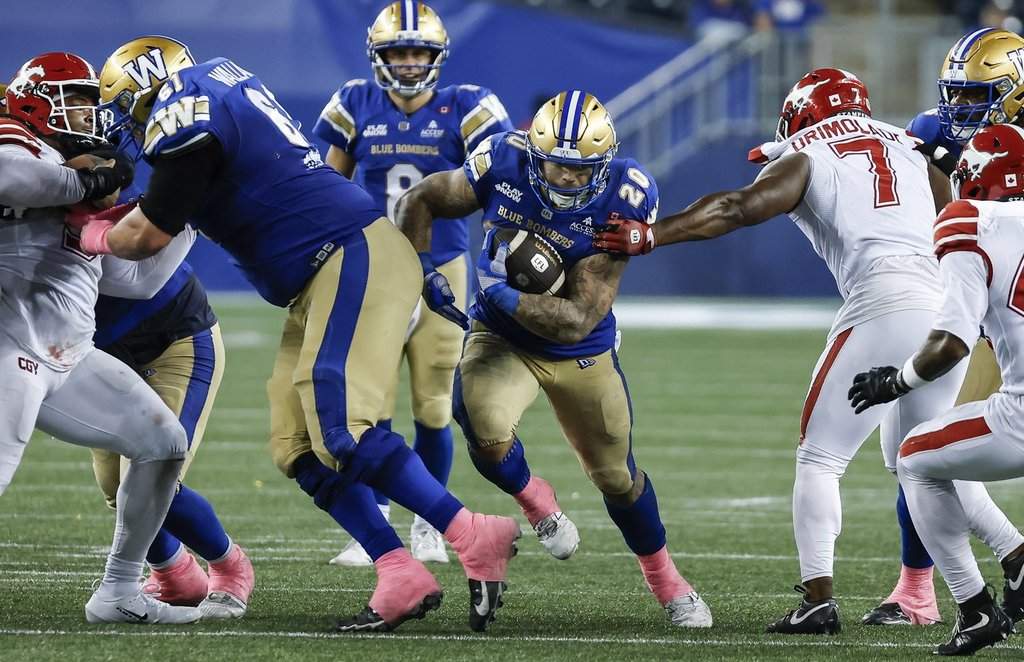
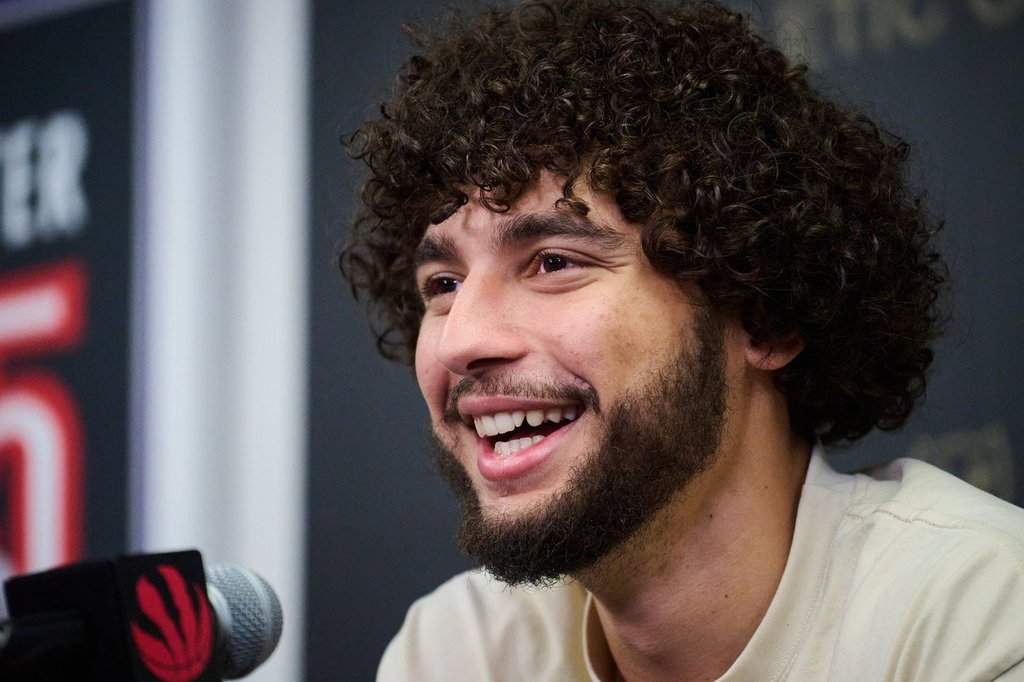
The Los Angeles Lakers waived Dalton Knecht on October 19, 2026, two days before opening the 2026–27 NBA regular season, cutting their 2024 first-round pick (No. 17 overall) to trim a 16-player contract group down to the 15-man maximum. Four days later, on October 23, 2026, the New York Knicks signed the 25-year-old wing to a two-way deal after waiving Kevin McCullar Jr., beating out interest from teams including the Minnesota Timberwolves, Cleveland Cavaliers, and Sacramento Kings.
That sounds clean on a transaction wire. Honestly, it leaves out the messy stuff. For a different perspective, read: this related article.
Waiving a first-round pick two years after drafting him isn't a routine roster squeeze. It's a public admission that the original plan broke, the trade market dried up, and the rotation moved past him.
Why Los Angeles Cut Dalton Knecht
Roster math forced the final signature, not a random whim. Heading into the 5 p.m. ET October 19 deadline, Los Angeles held 16 players on guaranteed deals and had to drop one to reach the NBA's 15-player regular-season limit. Reports noted that Knecht, Bronny James, and Jaden Hardy were widely viewed as the primary candidates for that final cut, with James and Hardy keeping their spots and Knecht hitting waivers. Further coverage regarding this has been provided by The Athletic.
Before pulling the trigger on a release, the Lakers tried to get something back. According to Sports Illustrated, Los Angeles explored trade talks over the weekend—including discussions involving teams such as the Bucks, Bulls, and Jazz—but couldn't find a deal that crossed the finish line. Letting a former first-rounder walk for nothing hurts. Still, carrying an extra guaranteed contract that doesn't crack your wing rotation solves nothing in October.
Head coach JJ Redick pointed directly to roster evolution rather than pretending nothing had changed. Ahead of the preseason finale against Denver, Redick explained that the team's makeup, needs, and fit had shifted. After injuries opened plenty of reps the prior season, Los Angeles added wing depth entering 2026–27, leaving Knecht squeezed out of a clear path to minutes.
How a Rookie Spark Faded in Los Angeles
If you only remember Knecht's hot stretches early in his rookie year, his exit looks shocking. After arriving from Tennessee as the No. 17 pick in the 2024 NBA Draft, he flashed real perimeter scoring punch—including a 37-point outburst featuring nine three-pointers early in his first season—and briefly looked like a steal for a playoff-minded roster.
Over his 132 regular-season appearances with the Lakers, though, the numbers settled into a more modest reality: 7.1 points per game and 36.8% shooting from three. Shooting streaks don't buy permanent floor time when defensive consistency is an ongoing battle, and his opportunities grew uneven as the roster shifted around him.
Then came the February 2025 trade saga with Charlotte. Los Angeles had agreed to send Knecht, Cam Reddish, an unprotected 2031 first-round pick, and a 2030 pick swap to the Hornets for center Mark Williams, only for the deal to be rescinded after a failed physical—a reversal Williams later questioned by saying he felt the Lakers simply had second thoughts. Once a player's name is attached to a blockbuster package that falls apart in public view, the locker-room and organizational dynamics rarely feel quite the same again. Sports Illustrated noted that Knecht never quite regained his earlier footing after that rescinded move.
What His Knicks Two-Way Deal Means
For New York, signing Knecht on a two-way contract is a low-risk bet on floor spacing and wing depth. Per DAZN and RealGM reporting, the deal allows him to split time between the Knicks and their G League affiliate, the Westchester Knicks, while capping his regular-season NBA appearances at 50 games under two-way rules.
Let's be real: a two-way contract isn't a guaranteed rotation spot on a contender. Look at his early usage in New York—such as an eight-minute, three-point outing against Milwaukee on November 10, 2026, and sparse minutes in mid-November—and you see the reality of his role right now. He has to earn trust on both ends of the court, knock down catch-and-shoot threes when his number is called, and stay sharp in G League or bench reps rather than waiting on a magic green light.
Still, getting a 25-year-old former first-round shooter on a two-way deal beats letting a rival grab him for free. Even if he never becomes a high-usage star, NBA teams always hunt reliable three-point shooting when injuries hit in winter and spring.
Common Misconceptions About This Move
- He was waived purely because he couldn't shoot: Knecht shot 36.8% from deep across 132 regular-season games with the Lakers and had big scoring nights early on. Roster math, offseason wing additions, trade dead ends, and defensive fit all played a role.
- A two-way deal means his NBA career is over: Two-way contracts are developmental and depth lifelines, not retirement papers. Plenty of players use G League reps and spot NBA minutes to rebuild value, though nothing is handed out.
- The Lakers didn't try to trade him first: Reporting around the roster deadline showed Los Angeles looked for trade options before waiving him, coming up empty rather than ignoring the trade market.
Smart Ways to Follow His Next Stretch
If you're tracking Knecht, the Lakers, or New York's bench this season, skip hot takes after a single DNP or a single made three. Check box scores over five- to ten-game stretches to see whether his three-point volume and defensive containment are holding up in real NBA minutes. Watch how New York manages its 15-man roster and two-way slots as injuries and cap flexibility evolve later in the season. And if you evaluate young wings for dynasty fantasy or prospect lists, weigh draft pedigree against actual role stability—because draft slots don't shoot free throws or guard screens once a team's needs change.