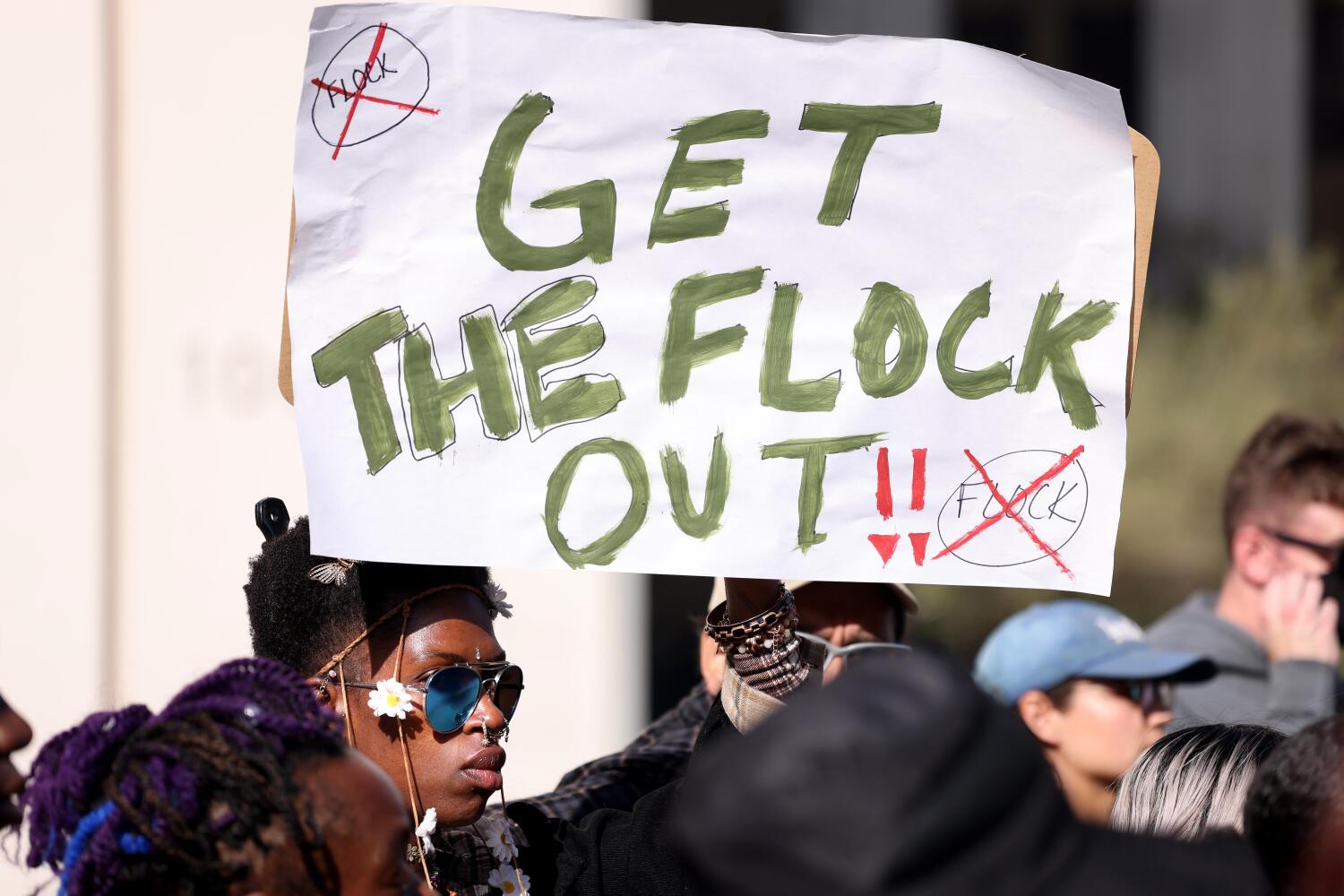
Los Angeles just pulled the plug on a massive surveillance apparatus, and it wasn’t because the tech failed to catch criminals. The Los Angeles Police Department officially allowed its three-year contract with Flock Safety to expire. It’s a sudden halt to a sprawling network of automated license plate readers (ALPRs) that have been quietly logging millions of vehicle movements across the city.
If you think this is a minor administrative hiccup, think again. This isn’t a routine pause; it’s a high-stakes standoff over digital ownership, immigrant protections, and corporate overreach. The LAPD wants strict control over who sees your location data. Flock Safety wants to run its centralized database its own way. Right now, neither side is backing down. Recently making news lately: The Theft of the Ghost in the Machine.
The ICE Problem and the Standoff Over Civil Penalties
Let's get straight to the real reason the deal collapsed. The LAPD demanded a clause in the contract that would slap Flock Safety with heavy civil penalties if the company shared locally collected data with non-compliant outside agencies. Specifically, federal immigration authorities like Immigration and Customs Enforcement (ICE).
California has strict sanctuary laws explicitly banning local police from helping with federal deportations. But local watchdogs like the Stop LAPD Spying Coalition found that tech vendors frequently act as a back door. A recent audit in San Francisco revealed federal agencies accessed local license plate data millions of times. The LAPD basically tried to force Flock to put its money where its mouth is regarding privacy. Flock refused to sign on the dotted line. Further information regarding the matter are explored by The Next Web.
The surveillance firm claims it values local control, but its business model relies on a massive, interconnected network where data flows across jurisdictions. By demanding financial penalties for illegal data sharing, the LAPD backed Flock into a corner.
Why Flock Safety is Facing a California Meltdown
Los Angeles isn't an isolated incident. Flock Safety is facing a cascading legal and political crisis across the state. Take a look at what has unfolded over the last few months:
- South Pasadena completely dismantled its Flock network, physically ripping out cameras after finding out local data leaked to out-of-state entities.
- Mountain View shut down its entire system following allegations that Flock unilaterally enabled data sharing with outside police forces without local consent.
- A Massive Class-Action Lawsuit was filed against the company, alleging that its central database systematically tracks millions of Californians daily in direct violation of state privacy codes.
The core issue is that these cameras don't just take pictures of cars tied to Amber Alerts or stolen vehicle reports. They photograph everyone. Every grocery run, every commute, every doctor's visit gets timestamped, mapped, and logged into a searchable database. For a city like LA, with a massive immigrant population, letting a private company hold that map without ironclad legal protections is a massive liability.
The Loophole Activists Warn About
Don't celebrate the end of mass surveillance just yet. While the official LAPD contract is dead, the physical cameras aren't necessarily going dark.
Flock frequently sells its systems directly to wealthy homeowners' associations and private business districts. In affluent LA neighborhoods like Cheviot Hills, private associations buy the cameras and hand data access right back to the police. Activists argue this creates a corporate loophole where public oversight is completely bypassed. The LAPD doesn't own the hardware, but they still reap the surveillance rewards.
What Happens Next to Your Data
If you drive through Los Angeles, your license plate is sitting in a database somewhere right now. The LAPD maintains that its internal audits keep things clean, but the expiration of this contract proves they don't even trust their own vendor to protect your constitutional rights.
City Councilmembers are already pushing for a complete, permanent ban and a timeline to physically remove every existing Flock device from city streets. If you care about digital privacy, you need to watch your local city council agendas. The fight is shifting from massive police contracts to localized neighborhood deployments. Push for local ordinances that ban private-public data-sharing loopholes, or expect private surveillance networks to do the work the LAPD just got paused from doing.