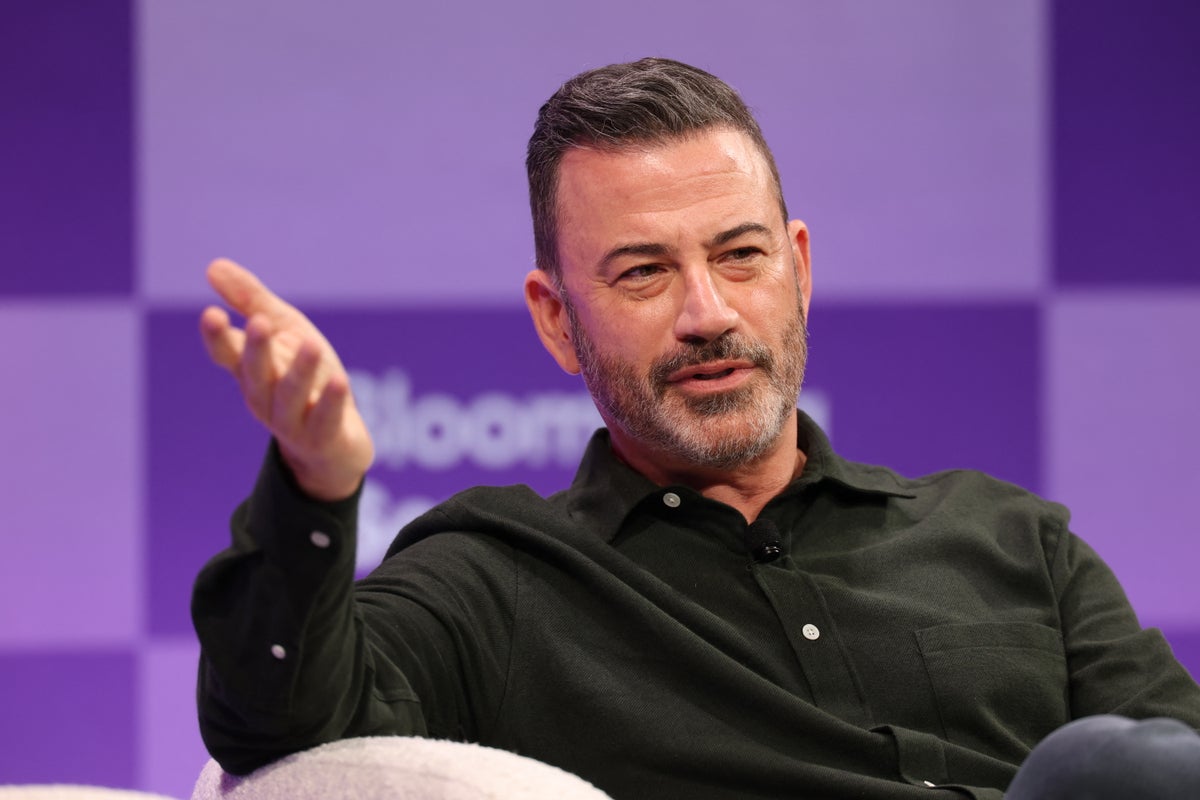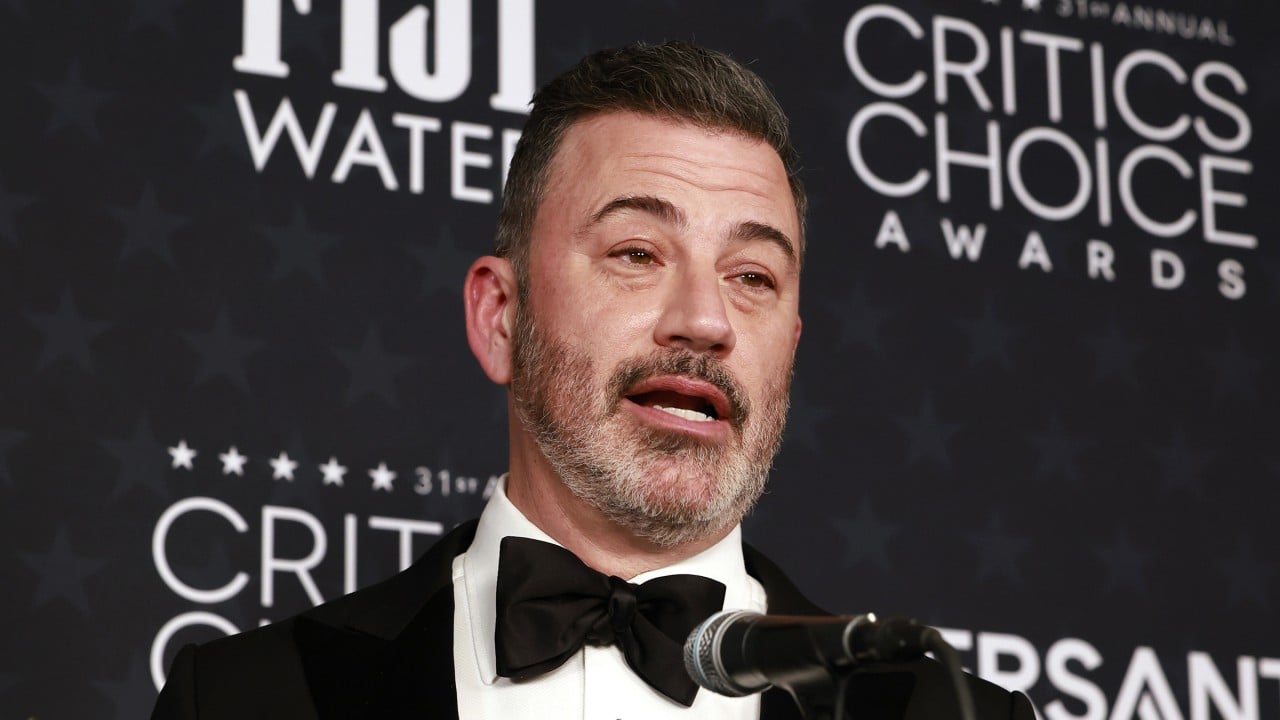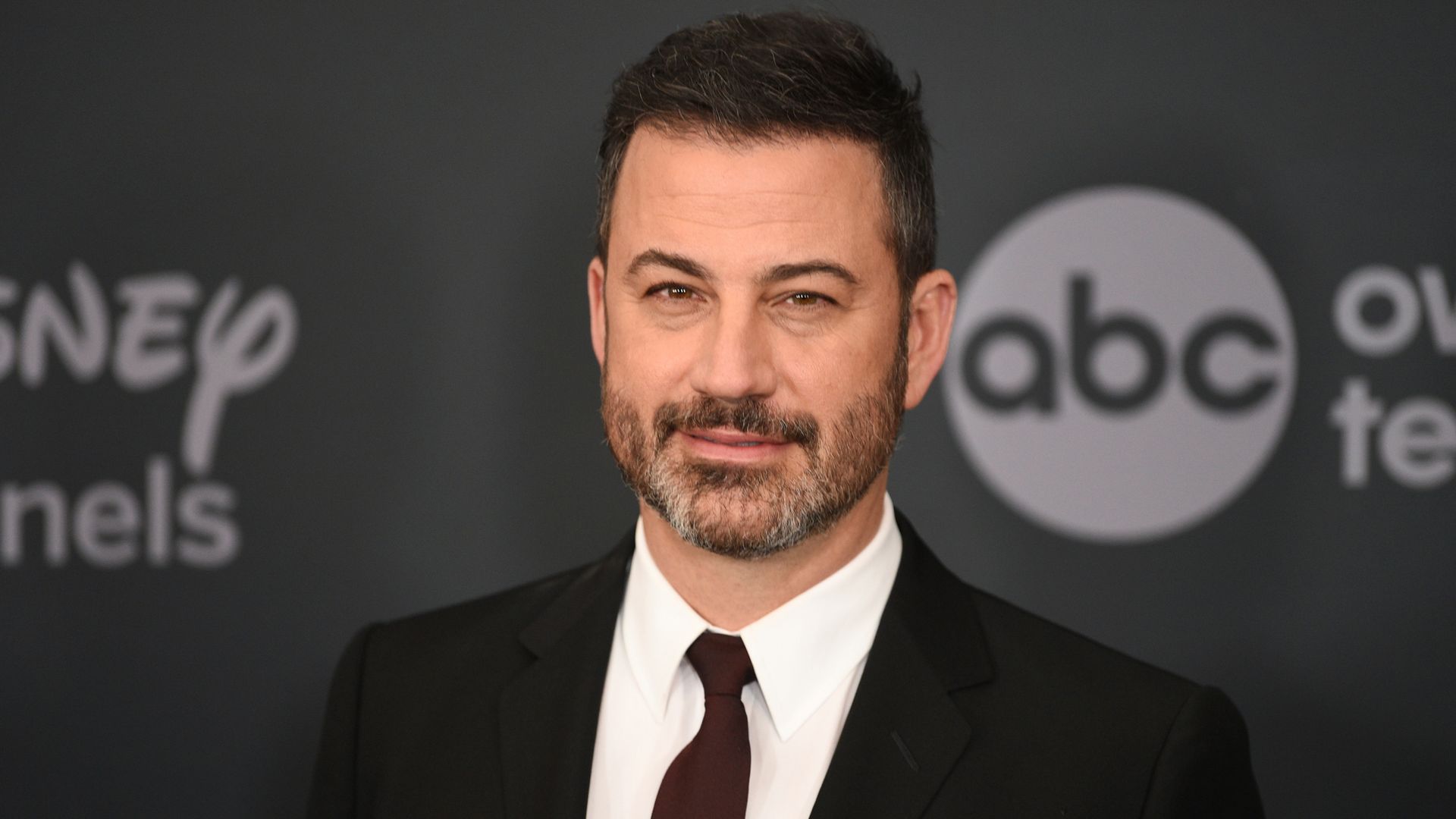
The long-simmering animosity between Donald Trump and Jimmy Kimmel has moved past the era of social media barbs and into a high-stakes battle over the future of the American airwaves. What began as a comedian poking fun at a reality star has transformed into a proxy war for the First Amendment, with the White House now openly leveraging regulatory pressure to silence a late-night institution.
The primary driver of the current crisis is a monologue delivered by Kimmel last Thursday, where he referred to Melania Trump as having the "glow of an expectant widow" during a parody of the White House Correspondents’ Dinner. While the joke was written and filmed before a gunman attempted to storm the Washington Hilton two days later, the Trump administration has seized upon the timing to frame Kimmel’s satire as "hateful and violent rhetoric." This is not just another Twitter spat; it is a calculated effort to force Disney’s hand at a time when the entertainment industry is already reeling from administrative threats.
The Weaponization of the FCC
The shift from personal insults to systemic pressure became clear in late 2025. When Kimmel mocked the President’s reaction to the assassination of conservative activist Charlie Kirk, comparing Trump’s response to a child mourning a goldfish, the blowback was unprecedented. Within hours of the broadcast, FCC Chair Brendan Carr—a staunch Trump appointee—threatened regulatory action against ABC.
The result was a brief but chilling suspension of Jimmy Kimmel Live! that sent shockwaves through Hollywood. While the show eventually returned to the air, the message was sent. The administration is no longer content with ignoring the "low ratings" of late-night hosts; it is actively testing the limits of its power to dictate who is allowed to "enter our homes each evening," as Melania Trump recently phrased it on X.
Behind the $15 Million Surrender
To understand why Kimmel is currently standing on such shaky ground, one must look at the precedent set by Disney CEO Bob Iger in late 2024. In a move that many industry analysts viewed as a white flag, ABC paid $15 million to settle a defamation lawsuit Trump filed against the network. The suit stemmed from a segment on This Week where George Stephanopoulos correctly stated that a jury found Trump civilly liable for sexual abuse, but used the word "rape"—a distinction Trump’s legal team exploited to extract a massive settlement.
This payout changed the math for Disney’s legal department. It proved that the President’s "Agenda 47" platform, which explicitly promises to "shatter the left-wing censorship regime," has teeth. For a corporate parent like Disney, the risk of litigation and the threat of FCC interference in multi-billion dollar mergers are far more significant than the ad revenue generated by a midnight monologue.
The Ratings Trap and the Colbert Factor
President Trump frequently mocks Kimmel’s ratings, but the reality of the late-night landscape is more complex. While it is true that linear television viewership is in a decade-long decline, Kimmel’s digital footprint remains massive. However, the recent news of the cancellation of The Late Show with Stephen Colbert—ostensibly for financial reasons but widely believed to be a result of executive fatigue over political friction—has left Kimmel as the last man standing in the direct line of fire.
With Colbert out of the way, the administration has narrowed its focus. By painting Kimmel’s jokes as "corrosive" and "inciting violence," the White House is attempting to redefine satire as a public safety hazard. It is a strategy of attrition. If a network can be convinced that a host is a legal and regulatory liability, the host becomes expendable, regardless of their talent or tenure.
The Jail Time Joke that Stung
While the "widow" joke is the current flashpoint, the true turning point in this feud occurred during the 2024 Academy Awards. Kimmel’s decision to read a live Truth Social critique from Trump on air—concluding with the line, "Isn't it past your jail time?"—infuriated the then-candidate in a way that policy critiques never could. It was a moment of public humiliation on a global stage, witnessed by 19 million viewers.
Trump’s obsession with that specific moment has persisted for years. He has repeatedly claimed, without evidence, that Kimmel’s wife and agent "begged" him not to read the post. This fixation suggests that the feud is powered by a deeply personal vendetta that has now been codified into executive policy.
The Silent Chilling Effect
Across Hollywood, the "Kimmel Test" is becoming a standard for executive producers. Can a joke survive a call from the FCC? Is a segment worth a potential $20 million defamation suit? The danger isn't just that Kimmel might be fired; it's that the writers who follow him will start to pull their punches before the ink even dries on the script.
The administration’s demand for ABC to "take a stand" is a demand for self-censorship. As the legal battles over redistricting and federal mandates continue to polarize the country, the late-night monologue remains one of the few places where the administration’s actions are scrutinized with a sharp, comedic edge. Removing that edge doesn't just change the channel; it changes the nature of the conversation.
The survival of Jimmy Kimmel Live! is now the primary barometer for the health of political satire in the United States. If Disney chooses to protect its regulatory interests over its creative talent, the era of the late-night gadfly is effectively over. The question is no longer what the next joke will be, but whether there will be a microphone left to tell it.