The gas station on the corner of Maple and Fourth has a flickering sign. For three weeks, the bulb behind the number nine has buzzed like an angry hornet, turning every price into an ambiguous riddle. Drivers pull in, squint through salt-stained windshields, and watch the numbers tick upward with a quiet, hollow resignation. They are paying for more than fuel. They are paying for an invisible war fought thousands of miles away, paid for with borrowed money that has not yet been printed.
Debt has a sound. In Washington, it sounds like the rhythmic clatter of keyboards and the hushed whispers of economists drafting bills that nobody reads until the interest rates spike. But on Main Street, it sounds like silence. It is the sound of a father turning off the engine before dropping his daughter at school because he needs to conserve every drop. It is the sound of a logistics manager staring at a spreadsheet, realizing that shipping a crate of auto parts across state lines now costs more than the parts themselves.
We have built an economy on the infinite extension of tomorrow.
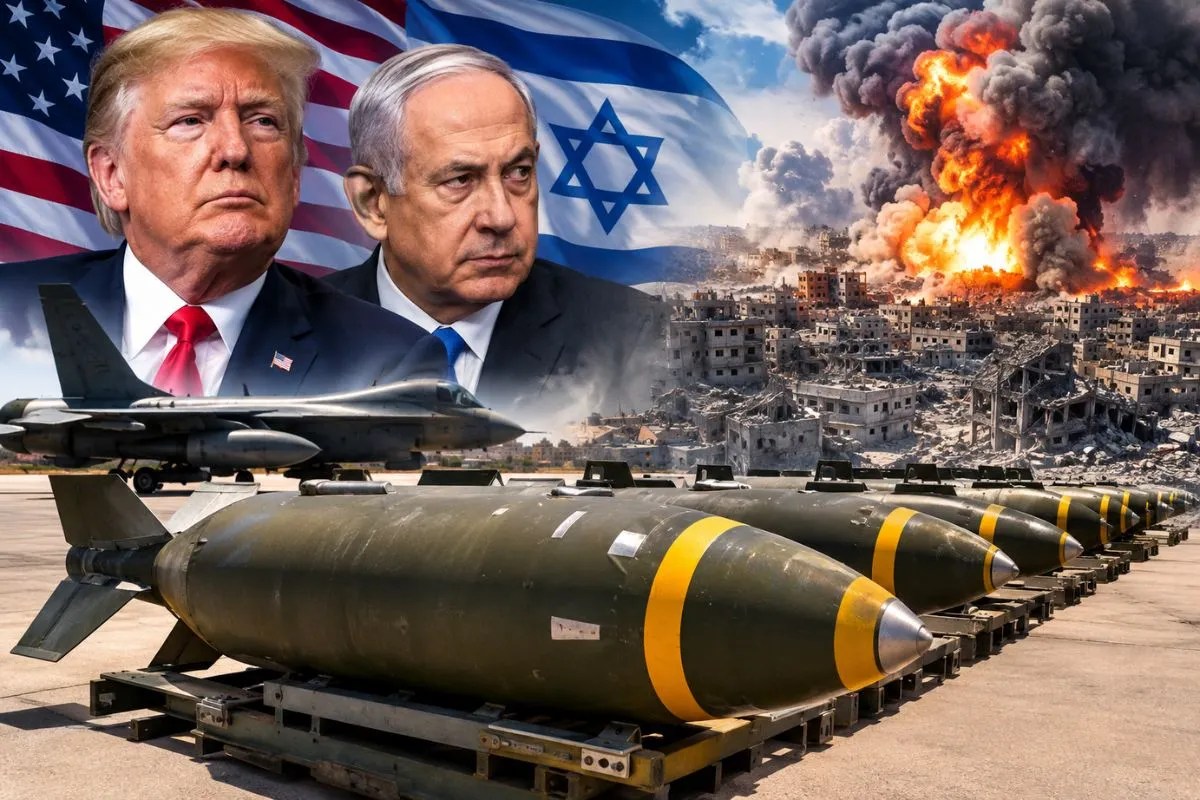
Consider the mechanics of modern conflict. Wars used to be fought with iron and grain. Today, they are fought with ledgers, deficits, and sovereign bonds. When a superpower stumbles into a confrontation in the Middle East—stoking fires near the Strait of Hormuz, trading missile strikes for diplomatic leverage—the bill does not arrive in a single itemized invoice. It arrives in the creeping paralysis of inflation. It arrives when the government borrows against its own future to keep the present from collapsing entirely.
The Trump administration’s fiscal footprint has long been defined by bold strokes and aggressive borrowing. Yet, when external shocks collide with internal debt, the math begins to fracture. An escalating crisis involving Iran does not merely disrupt shipping lanes; it strikes directly at the nervous system of global energy markets. Crude oil fluctuates, panic spreads through futures exchanges, and domestic refineries adjust their margins.
The government, desperate to shield consumers from the immediate political fallout of four-dollar gasoline, finds itself trapped. They cannot subsidize eternity. Instead, they absorb the shock through creative accounting, massive debt issuance, and the quiet redirection of funds. Every dollar spent on military posturing abroad is a dollar stripped from infrastructure at home, borrowed from foreign creditors who are beginning to eye the dollar with quiet skepticism.
Let us walk through a hypothetical morning in the life of Marcus, a fifty-two-year-old independent trucker hauling produce from Ohio to Pennsylvania.
Marcus does not care about geopolitical strategy meetings in Geneva or congressional budget ceilings. He cares about the red light on his dashboard and the price of diesel. Last year, a full tank cost him four hundred dollars. Today, it costs nearly six hundred and fifty. That extra two hundred and fifty dollars does not come from a windfall profit; it comes straight out of his family’s grocery budget, his daughter’s college fund, and the maintenance fund for his aging rig.
When the government covers domestic fuel losses or stabilizes supply chains through emergency debt measures, it acts like a man putting out a kitchen fire by dousing his entire house in gasoline. It works for a moment. Then the walls catch.
The administration’s borrowing binge has pushed national debt past psychological boundaries that previous generations would have considered fatal. Yet, Washington operates under the comforting illusion that debt is a political construct rather than a physical law. Gravity does not care about party lines. When you borrow to finance foreign entanglements while simultaneously manipulating energy markets to mask the true cost of those conflicts, you are not managing an economy. You are delaying a reckoning.
The Iranian conflict acts as a magnifying glass, focusing all the structural weaknesses of American finance into a single, blinding point of heat. Oil is the lifeblood of industrial civilization. When a state-level confrontation threatens the flow of tankers through narrow maritime chokepoints, the shockwaves hit American pumps within forty-eight hours.
To prevent a full-scale revolt at the ballot box, the state intervenes. It cuts excise taxes temporarily. It leans on strategic petroleum reserves. It borrows billions more to cushion the blow, pretending that the ledger will somehow balance itself through sheer patriotic willpower.
It never does.
The invisible tax is inflation. It is the silent thief that picks your pocket while you sleep. When the government borrows money into existence to cover the cost of overseas friction and domestic energy stabilization, the total money supply dilutes. Every dollar in your savings account buys a little less bread, a little less milk, a little less freedom.
We are told that superpower status requires sacrifice. We are told that maintaining global hegemony demands open-ended commitments in volatile regions. But the true cost of those commitments is rarely measured in aircraft carriers or stealth bombers. It is measured in the erosion of the middle class, the crumbling of rural bridges, and the quiet desperation of families who realize that working harder is no longer enough to stay in the same place.
The flickering sign on Fourth Street finally goes dark. The bulb burns out completely, leaving the nine shrouded in shadow. Drivers continue to pull in, guided only by the harsh, fluorescent glow of the overhead canopy, handing over money they barely have for fuel they desperately need, funding a machine that keeps spinning faster and faster, waiting for the day the music stops.