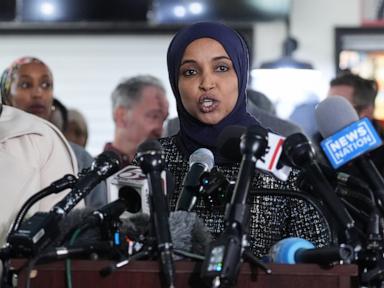
The courtroom sentencing of the individual who sprayed liquid at United States Representative Ilhan Omar marks a critical juncture in the ongoing discourse regarding the safety of elected officials. Legal proceedings in federal and local courts often draw sharp lines around acts of harassment and assault directed at public servants, transforming isolated incidents into barometers of political tension.
For years, lawmakers have reported a steady accumulation of threats, ranging from online intimidation to direct physical interference in public spaces. When an assailant targets a legislator with a foreign substance, prosecutors typically weigh multiple statutory definitions, balancing the physical nature of the assault against potential motivations rooted in bias or political animus. The legal framework governing these cases is designed to deter conduct that disrupts the functioning of government or instills terror in public figures who must interact regularly with constituents.
Security analysts point out that public appearances by members of Congress present unique logistical challenges. Unlike executive branch leaders protected by permanent federal details, legislators frequently travel alone or with minimal staff to local events, town halls, and constituency meetings. This accessibility is a cornerstone of American representative democracy, yet it leaves officials vulnerable to sudden, unpredictable disruptions.
During sentencing hearings, judges must evaluate not only the immediate harm caused by the defendant's actions but also the broader societal impact. Incidents involving federal lawmakers carry weight because they ripple through the political ecosystem, influencing how safely other representatives can move within their districts. Defense attorneys often characterize such actions as impulsive misdemeanors or protests gone wrong, while prosecutors argue for stiffer penalties that reflect the institutional harm of interfering with an elected representative.
As the judicial process concludes in this specific case, the conversation among security professionals and lawmakers turns toward prevention. Strengthening physical security protocols without compromising the open-door ethos of legislative representation remains a persistent challenge. The fallout from the sentencing serves as a clear reminder of the legal consequences awaiting those who cross the line from political dissent into unlawful aggression.