The kitchen staple once taken for granted is turning into a luxury commodity. Olive oil prices are climbing toward historic highs, and the relief consumers crave is nowhere in sight. Extreme weather patterns across the Mediterranean basin have decimated harvests for successive seasons, transforming what used to be a routine grocery purchase into a calculated expense. Spain, Italy, and Greece produce the vast majority of the world's supply. When these regions suffer through punishing droughts and unseasonal heatwaves, global markets convulse immediately.
Shoppers face a harsh reality on supermarket aisles. Bottles that cost a modest amount a few years ago now carry triple-digit percentage markups, forcing households and restaurants to rethink basic culinary habits. This crisis goes far beyond a single bad harvest. Structural vulnerabilities in agricultural models, aging tree stock, and chronic water mismanagement have converged into a systemic failure.
The Anatomy of a Mediterranean Harvest Collapse
Agriculture is a gamble against nature, but the odds have shifted dramatically. Olive trees require specific climatic rhythms to thrive. They need winter chill hours to trigger flowering, followed by a dry, stable spring for pollination, and measured moisture during the fruit-growing months. Modern climate shifts have systematically dismantled this delicate seasonal clockwork.
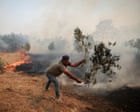
Take Andalusia in southern Spain, the beating heart of global production. In recent years, this region has experienced prolonged meteorological droughts that have drained reservoirs to critical fractions of their capacity. When temperatures spike past forty degrees Celsius during the flowering phase, the blossoms scorch and drop off the branches before fertilization can occur. What survives the initial heat often faces torrential flash floods or scorching winds later in the cycle, bruising the fruit and inviting pest infestations.
The damage extends beneath the soil. Aquifer depletion has reached alarming rates in primary agricultural districts. Farmers are forced to pump brackish water from deep underground reserves just to keep ancient groves alive, a practice that increases soil salinity and degrades tree health over the long term. Many smallholder farmers, operating on razor-thin margins, lack the capital to install drip-irrigation networks or protective netting. They watch helplessly as centuries-old olive trees wither under relentless solar assault.
The Speculative Chain Reaction from Grove to Grocery Shelf
The journey from a Mediterranean olive grove to a domestic pantry involves a complex web of intermediaries, brokers, and industrial bottlers. When raw harvest volumes plummet, market mechanics trigger rapid price escalation long before the product reaches retail shelves.
Cooperatives and millers compete fiercely for dwindling supplies of raw olives. As competition intensifies, farmgate prices skyrocket. Milling plants, which usually operate at high capacity for months, find themselves shutting down early because there simply is not enough fruit to press. Fixed overhead costs must be distributed across a fraction of the usual volume, driving up the baseline cost per liter.
Major brands and private-label distributors absorb these initial shocks until they break. Then, the price adjustments hit consumers. Retailers operate under strict contract terms, but persistent supply deficits force renegotiations.
- Raw Material Scarcity: Mill gate prices have surged by over two hundred percent compared to historical averages.
- Blending Pressures: To maintain flavor profiles and volume quotas, packers often blend oils from various origins, driving up international shipping and procurement coordination expenses.
- Packaging Inflation: The cost of glass bottles, tin containers, and corrugated cardboard boxes has risen sharply alongside energy and logistics expenditures.
Consumers notice the shrinkage, too. Standard bottle sizes quietly transition from one liter to seven hundred fifty milliliters, a textbook example of shrinkflation designed to mask the true extent of the financial burden.
Economic Fallout Across the Restaurant Sector
The hospitality industry absorbs the heaviest blow. Olive oil is not merely a cooking medium in Mediterranean and fine-dining kitchens; it is a foundational ingredient, a finishing touch, and an operational necessity.
Independent restaurateurs face an impossible margin squeeze. Menus are printed with fixed pricing, yet the weekly cost of essential kitchen inputs fluctuates unpredictably. Shifting to cheaper seed oils like canola, sunflower, or soybean is frequently rejected by chefs who built their reputation on authentic regional flavor profiles. Yet, keeping extra virgin olive oil on every table for bread service has become an unsustainable luxury.
Higher-end establishments have begun rationing portions. Small ramekins of olive oil for dipping are disappearing, replaced by measured drizzles applied strictly by the kitchen staff. Fast-casual eateries and pizzerias are quietly substituting blended oils for cooking applications, hoping patrons will not notice the subtle shift in taste.
The economic pressure ripples outward to food manufacturers who rely on olive oil for preserving vegetables, canning fish, or creating dressings. These commercial entities must either pass the inflated costs down to grocery chains or reformulate their signature recipes, risking consumer backlash and lost market share.
Structural Blind Spots in Traditional Agriculture
The current crisis exposes deep flaws in how the agricultural sector approaches risk management and modernization. For generations, olive cultivation relied on traditional, low-density planting models. Trees spaced widely apart on rolling hillsides created picturesque landscapes that proved woefully inefficient under modern environmental pressures.
Intensive and super-high-density farming models have emerged as an alternative, but adoption remains uneven. These modern groves feature rows of compact trees managed with heavy mechanization, precision irrigation, and chemical treatments. While super-high-density farms yield fruit much faster and require less manual labor during harvest, they demand substantial upfront capital investment and reliable access to massive water supplies.
Water scarcity renders super-high-density expansion risky in drought-prone regions. If an irrigation district cuts off agricultural water allocations, a densely planted modern orchard can collapse entirely within a single season, wiping out millions in capital. Traditional groves, by contrast, possess deeper root systems and greater resilience, though their baseline output per hectare remains low.
Furthermore, agrarian labor shortages compound the problem. Harvesting olives requires skilled labor or specialized mechanical shakers. Rural depopulation and aging rural populations mean fewer workers are available during the crucial autumn harvest window, leaving ripe fruit to rot on the branches.
Counterfeiting and Adulteration Risks
When high-value commodities experience sudden, massive price spikes, criminal opportunists step into the vacuum. The olive oil industry has a long, documented history of fraudulent practices, and market conditions have created an ideal environment for illicit operators.
Unscrupulous actors exploit complex supply chains to palm off inferior products as premium goods. Common fraudulent techniques include:
- Dilution: Mixing expensive extra virgin olive oil with cheaper refined seed oils, hazelnut oil, or low-grade lampante oil.
- Mislabeling Origin: Sourcing low-cost oil from regions outside Europe, shipping it through intermediary ports, and stamping it with false Protected Designation of Origin tags.
- Chemical Alteration: Using deodorizing agents and artificial coloring to mask rancid or defective oils so they pass basic visual and olfactory tests.
Regulatory bodies in producer nations conduct random sweeps and laboratory tests, but enforcement resources are frequently underfunded. Organized crime syndicates operating across international borders understand that the profit margins on olive oil fraud rival those of illegal drug trafficking, with a fraction of the legal risk. Consumers buying discounted premium oil online or through unverified discount channels often purchase adulterated products that offer none of the health benefits or authentic taste of genuine extra virgin olive oil.
Navigating the New Economic Reality of Agriculture
The era of cheap, ubiquitous olive oil is over. Climate volatility is not a temporary anomaly; it is the new baseline for agricultural planning in Southern Europe. Fixing the supply chain requires fundamental overhauls in water infrastructure, agricultural subsidies, and consumer education.
Governments across the Mediterranean must prioritize large-scale water retention projects, modernize leaky municipal and agricultural distribution networks, and support farmers transitioning to drought-tolerant varietals. Research institutions need to accelerate the development of disease-resistant rootstocks capable of surviving aggressive fungal pathogens and extreme thermal stress.
For the end user, expectations must reset. Olive oil should be treated with the same culinary respect and financial consideration as fine wine. The market will eventually stabilize, but equilibrium will occur at a permanently higher price tier.
The trees remain standing in the sun-baked hills of Andalusia, Tuscany, and the Peloponnese, but their fruit carries the heavy cost of a transforming climate. Every drop poured into a pan represents a triumph over a hostile growing season, making waste an unaffordable luxury.