Cats do not care about your aesthetic preferences, your desire for pleasant floral scents, or your budget constraints. When a feline refuses to use the box, it is not an act of spite or a personality flaw. It is a biological rejection of an environment that violates their ancient instincts. Most owners approach cat litter selection through the lens of human convenience, prioritizing low dust for furniture or powerful perfumes to mask odors. This mismatch creates a silent crisis in millions of homes, where animals endure chronic stress, urinary tract infections, and behavioral suppression simply because the substrate beneath their paws feels hostile.
To understand why your cat behaves this way, look past the marketing claims on colorful plastic jugs. Look instead at the evolutionary history of Felis catus. Modern domestic cats descend from desert-dwelling predators. In an arid environment, they evolved to seek fine, soft, sandy substrates that allow for efficient burying of waste, hiding their scent from larger predators and prey alike. When you fill a box with heavy, jagged clay nuggets, heavy-scented artificial pine pellets, or coarse recycled paper strips, you are asking an animal with hyper-sensitive paw pads to walk on crushed gravel. Also making headlines recently: The House That Patience Built.
The Sensory Anatomy of a Paw Pad
A cat's paws are packed with dense aggregations of mechanoreceptors and nerve endings. They register vibration, texture, temperature, and pressure with extreme fidelity. Walking across a poorly chosen cat litter is the sensory equivalent of a human walking barefoot across a floor strewn with Lego bricks or sharp walnut shells.
When a cat steps into a box filled with harsh materials, their nervous system registers discomfort immediately. Over time, this discomfort conditions them to associate the box with pain or stress. They begin to hover on the edge of the plastic basin, keeping their paws on the rim, or they abandon the designated spot entirely in favor of a plush bathmat, a pile of laundry, or a corner of the carpet that mimics a softer texture. More insights regarding the matter are covered by Cosmopolitan.
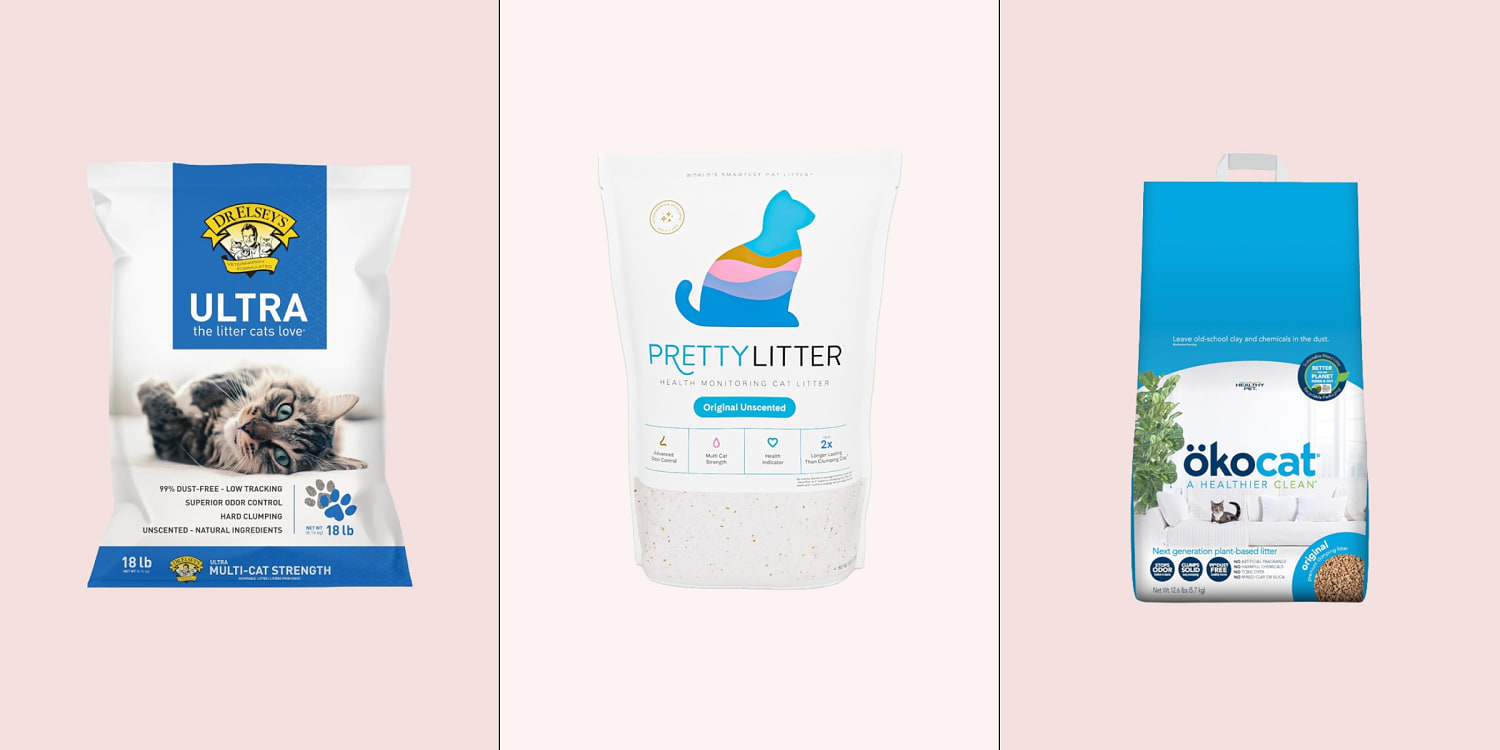
Clay clumping litter dominates the market for a reason: it approximates sand better than almost anything else. Yet, manufacturers often ruin a functional product by adding heavy artificial fragrances. To a human nose, a synthetic lavender scent smells clean. To an animal with an olfactory system roughly fourteen times more sensitive than ours, that same scent is an overwhelming chemical assault. Cats possess specialized vomeronasal organs designed to track subtle chemical signatures. Flooding their private elimination area with artificial perfume forces them to inhale concentrated volatile organic compounds in an enclosed space every time they posture to relieve themselves. Many litter rejections are simply animals fleeing a scent profile that burns their nasal passages.
The Chemistry of Control
Managing household odor requires an understanding of how ammonia forms. Urine contains urea, which bacteria break down into ammonia gas. Poor quality litters fail to trap this reaction quickly, leading to the sharp, stinging smell that drives humans to dump heavy deodorizers into the box.
The most effective odor control does not come from masking agents. It comes from rapid liquid absorption and encapsulation. High-grade sodium bentonite clay forms tight, impenetrable clumps around moisture before bacteria can convert the urea into gas. Silica gel crystals work differently, absorbing moisture into micropores while allowing the liquid to evaporate, though their rough texture often deters sensitive cats.
Consider a hypothetical multi-cat household in a suburban apartment. The owner purchases a bargain-brand clay litter that is heavy, dusty, and laden with artificial pine scent. Two cats share a single box in a cramped hallway. Within weeks, one cat begins urinating on the living room rug. The owner assumes the cat is acting out, punishing them for working long hours. In reality, the cat is experiencing a classic case of litter box aversion compounded by resource guarding. The litter hurts their paws, the scent is suffocating, and the box is dirty because two animals are overusing a single station.
Rewriting the Rules of Box Management
Solving this problem requires stripping away human vanity and returning to feline fundamentals.
- Substrate Selection: Choose unscented, fine-grained clumping clay. The particles should feel like desert sand. If you want to test a litter, press your bare palm into it. If it feels abrasive or sharp, your cat will feel it ten times more acutely on their paws.
- The Depth Trap: Do not fill the box to the brim. Three to four inches of litter is optimal. Anything deeper causes instability under the cat's weight, making them feel as though they are sinking into quicksand, which triggers an instinctive panic response.
- Spatial Politics: The old rule of one box per cat plus one is non-negotiable in multi-cat homes. Furthermore, boxes placed in dark, noisy utility rooms next to vibrating washing machines create vulnerability. Cats prefer to eliminate in locations with clear escape routes and low ambient noise.
The next time you stand in the pet supply aisle staring at rows of brightly colored packaging promising odor-free homes and low tracking, remember what your pet actually needs. They do not want Febreze-infused crystals or eco-friendly walnut shells that crumble into dust. They want consistency, safety, and a surface that honors their wild ancestry. Respect their biology, and the unwanted messes on the floor will vanish.