Cars ruined the modern city center, and every urban planner knows it. Yet the moment a mayor suggests banning private vehicles from a famous shopping avenue, local business owners panic, taxi drivers threaten strikes, and commuters lose their minds. Look at the long, messy history of trying to take cars off London's Oxford Street and Delhi's Connaught Place or Chandni Chowk. Both cities launched ambitious street experiments to reclaim asphalt for people, yet their approaches, political battles, and actual results couldn't look more different.
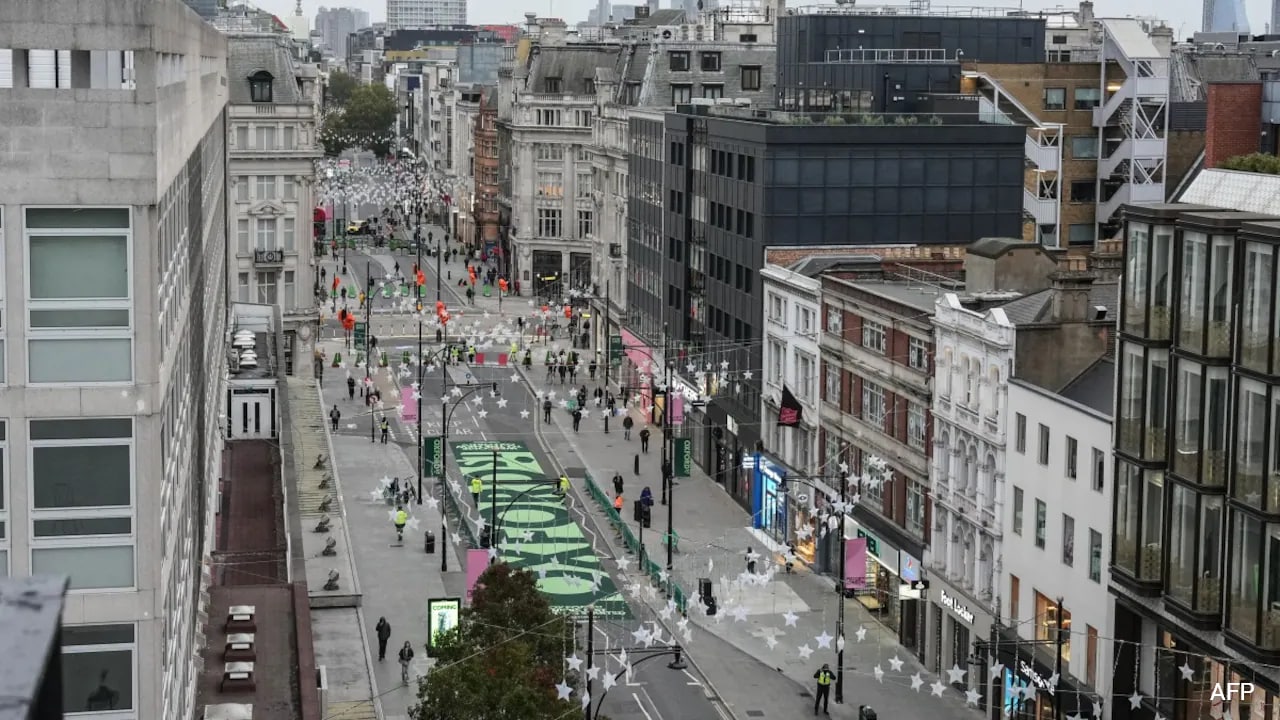
If you've ever walked down Oxford Street on a Saturday afternoon, you know the misery. Millions of shoppers get crammed onto narrow pavements while double-decker red buses, black cabs, and delivery vans idle inches away, pumping exhaust into everyone's faces. Meanwhile, six thousand kilometers away in New Delhi, pedestrians face an entirely different beast—chaotic mixed traffic, encroaching street vendors, scorching heat, and extreme monsoon rains. Comparing these two urban giants reveals a hard truth about pedestrianization. You can't just drop concrete bollards on a road, plant a few potted trees, and call it a day.
The Long Political Soap Opera of Oxford Street
London has talked about making Oxford Street traffic-free since the 1970s. Seriously. Half a century of white papers, feasibility studies, and political posturing.
In 2017, Mayor Sadiq Khan announced an aggressive plan to pedestrianize the western section of the street between Oxford Circus and Orchard Street. It seemed like a done deal. Transport for London (TfL) ran consultations, and the public largely backed the idea of breathing cleaner air while shopping. Then local politics intervened. Westminster City Council, controlled by the opposition at the time, killed the plan in 2018. Their reasoning? Rerouting dozens of bus lines onto neighboring residential streets in Marylebone and Fitzrovia would simply export traffic and pollution to quieter neighborhoods.
The COVID-19 pandemic briefly forced temporary pavement widening, and later iterations of the plan pivoted toward creating a "traffic-free" or heavily restricted zone using Mayoral Development Corporation powers to bypass local council vetoes. By 2024, Khan revived the push with backing from the UK government, aiming to transform the 0.7-mile stretch between Oxford Circus and Marble Arch into a pedestrianized boulevard.
Why has London struggled so hard to execute what cities like Paris, Madrid, and Oslo did years ago?
- Bus dependency. Unlike many European shopping streets served primarily by underground metros, Oxford Street is a massive surface transit artery. Hundreds of buses pass through every hour. Diverting them creates genuine operational headaches for elderly and disabled passengers who rely on door-to-door bus access rather than deep Underground stations lacking step-free lifts.
- Retail anxiety. Flagship department stores like Selfridges and John Lewis have historically swung back and forth on pedestrianization. During the retail downturn following the pandemic—when high-profile chains like Debenhams and Topshop collapsed and American candy stores took over empty storefronts—landlords grew desperate for footfall. Some feared cutting off taxi drop-offs would hurt high-spending tourists.
- Freight logistics. Oxford Street has very few rear service alleys. Thousands of daily deliveries happen straight from the main road. Without an underground logistics network or strict timed-entry windows, banning vans brings retail supply chains to a halt.
London's experiment proves that even in a wealthy city with world-class public transit, entrenched surface bus routes and fragmented local governance can stall a project for decades.
How Delhi Approached Pedestrianization Differently
Delhi didn't have the luxury of fifty years of polite council debates. Its urban crisis demanded immediate intervention, and its street experiments took two distinct forms—one temporary, one permanent.
First came the Connaught Place experiment. Back in 2017, the Union Urban Development Ministry and the New Delhi Municipal Council (NDMC) proposed making the iconic Georgian-style Inner and Middle Circles of Connaught Place completely car-free for three months. Traders revolted instantly. They argued that wealthy Delhiites wouldn't park in distant multi-level lots and walk in the heat, claiming sales would plummet by half. Because of fierce pushback from the New Delhi Traders Association, the grand three-month trial got watered down into brief weekend "Raahgiri" style events and partial restrictions rather than a permanent shutdown.
Then came Chandni Chowk, and that changed everything.
If you visited Old Delhi's historic main thoroughfare ten years ago, it was a sensory assault. Rickshaws, cars, motorcycles, stray cattle, tangled overhead electrical wires, and thousands of pedestrians fought for every square inch of space. In 2018, the Delhi government launched a massive redevelopment project for the 1.3-kilometer stretch between the Red Fort and Fatehpuri Masjid.
By 2021, the transformed Chandni Chowk opened to the public. Motorized vehicles were banned between 9 AM and 9 PM. Overhead wires went underground. Red sandstone paving replaced crumbling asphalt, dedicated lanes were carved out for non-motorized cycle rickshaws, and emergency vehicles were given controlled access.
It wasn't smooth sailing. Shopkeepers initially protested the construction delays and delivery restrictions. After opening, enforcement slipped at times, with motorbikes sneaking past bollards and street hawkers spilling into pedestrian zones. Yet the visual and environmental shift was undeniable. For the first time in generations, people could actually see the heritage facades of Mughal-era buildings and walk down the center of the street without dodging honking bumpers.
Where Most Street Experiments Succeed or Fail
When you put London and Delhi side by side, clear patterns emerge about why some pedestrian zones thrive while others turn into dead zones or political nightmares.
Transit integration makes or breaks the street. Oxford Street sits atop the Elizabeth Line, Central, Bakerloo, and Victoria lines. Chandni Chowk connects directly to the Delhi Metro's Yellow and Violet lines. Neither street relies on private cars to bring people in. When a city tries to pedestrianize a commercial strip that lacks high-capacity rail or subway access nearby, retail sales genuinely suffer. People won't walk a mile from a suburban parking garage just to buy a pair of shoes.
The last-mile problem looks completely different in each city. In London, the sticking point is disabled access and black cabs. When Westminster and TfL debated closing Oxford Street, disability advocacy groups rightly pointed out that removing bus stops forces mobility-impaired riders to navigate crowded side streets or inaccessible Tube stations. In Delhi, the last-mile solution already existed in the form of cycle rickshaws and e-rickshaws. Chandni Chowk didn't ban wheels entirely; it banned motorized private cars while keeping human-powered rickshaws moving in designated lanes. That single design choice kept the street accessible for elderly shoppers and wholesale buyers carrying heavy goods.
Climate dictates street design. Urban planners love showing sunny architectural renderings of people sipping espressos at outdoor tables. That works great in London during July. In Delhi, summer temperatures regularly cross 45°C (113°F), followed by torrential monsoon downpours. A wide-open concrete plaza in Delhi becomes an uninhabitable oven by noon. Successful pedestrianization in South Asia requires dense tree canopies, shaded arcades, drinking water stations, and aggressive drainage infrastructure—things European planners rarely have to prioritize to the same degree.
The Myth That Banning Cars Kills Retail Business
Ask any shopkeeper on Oxford Street or in Connaught Place what happens when you ban cars, and they'll tell you they'll go bankrupt. It's the single most predictable reaction in urban politics.
It's also almost always wrong.
Data from Transport for London's own studies—and broader research across European cities like Madrid, Milan, and Copenhagen—consistently shows that merchants wildly overestimate how many of their customers arrive by private car. On Oxford Street, over 90% of visitors already arrive via public transport or on foot. Yet business owners look out their windows, see bumper-to-bumper traffic, and assume those drivers are their customers. They aren't. Those drivers are mostly passing through, using a premier shopping boulevard as a shortcut across town.
When Madrid temporarily restricted private cars on Gran Vía during the holiday season before making the changes permanent, retail spending actually jumped. Footfall increased because walking became pleasant rather than stressful. People linger longer when they aren't pressed against shop windows to avoid getting clipped by a bus mirror.
Still, traders in Delhi and London do have one legitimate complaint that planners frequently ignore—freight and servicing.
If a clothing store on Oxford Street or a spice wholesaler in Chandni Chowk can't receive inventory, their business model breaks. The cities that pull this off don't impose 24/7 total bans. They use rising hydraulic bollards that drop down between midnight and 8 AM, allowing delivery trucks to load and unload before shoppers arrive. Where Delhi stumbled initially in Chandni Chowk wasn't the daytime car ban; it was failing to enforce strict morning delivery windows and police illegal parking at the perimeter gates.
What Urban Planners and Local Advocates Should Actually Do
Whether you're advocating for safer streets in your own neighborhood or evaluating the next big municipal transit proposal, skip the ideological arguments about cars versus bikes. Focus on the operational details that actually determine whether a traffic-free street survives its first year.
- Audit actual customer transport modes before listening to loud lobbyists. Count how people really reach the street. If more than 75% already arrive by foot, bike, or transit, fear-mongering about lost parking spaces is pure noise.
- Design for delivery windows, not total isolation. Establish clear, automated access hours (typically late night to early morning) for freight vehicles, and build dedicated loading bays on perpendicular side streets so vans don't block perimeter intersections.
- Solve the micro-mobility and accessibility gap upfront. Never remove bus stops without providing an alternative for disabled and elderly visitors. Allow slow-moving mobility scooters, cycle rickshaws, or dedicated shuttle buggies where subway stations lack elevators.
- Invest heavily in maintenance and enforcement from day one. A pedestrianized street without active enforcement quickly gets overrun by mopeds, illegal vendors, and delivery vans—exactly what threatens Chandni Chowk whenever police patrols slacken.
London and Delhi prove that taking streets back from cars isn't really an engineering problem. We know how to lay paving stones and install bollards. It's a test of political nerve, smart logistics, and refusing to let through-traffic hold an entire city's public space hostage.