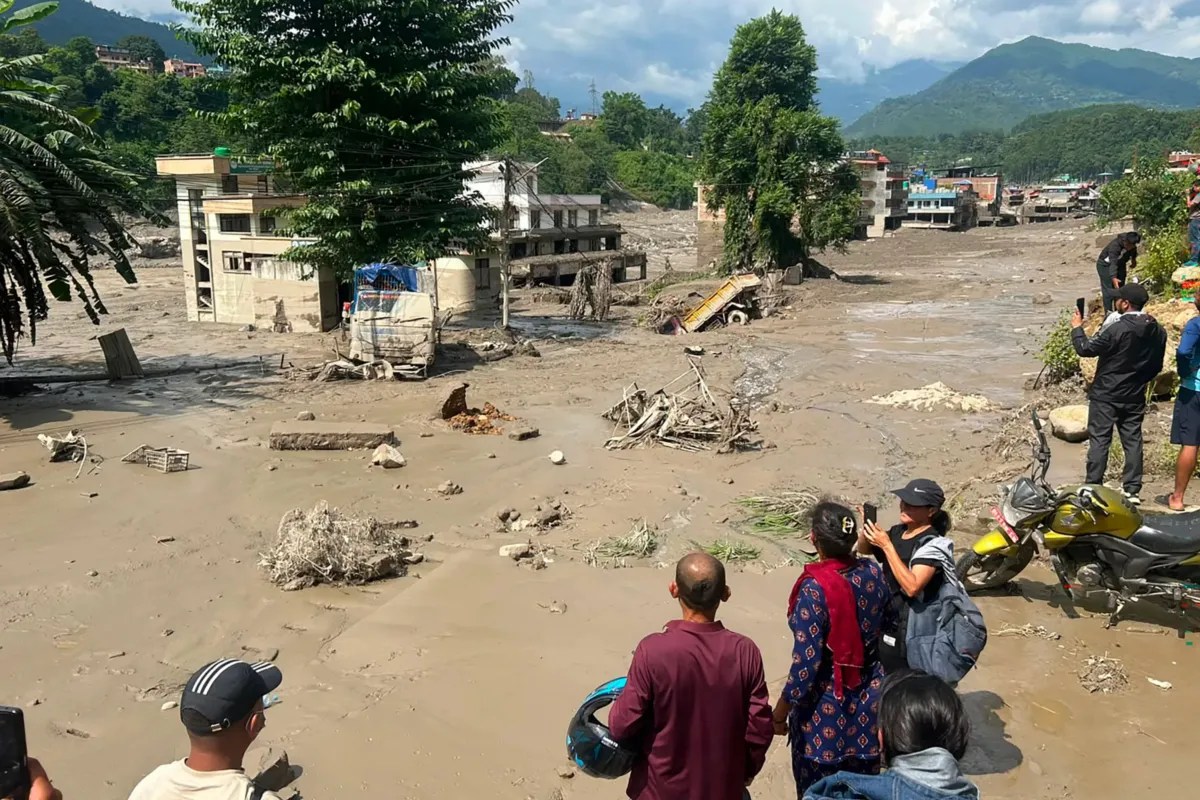
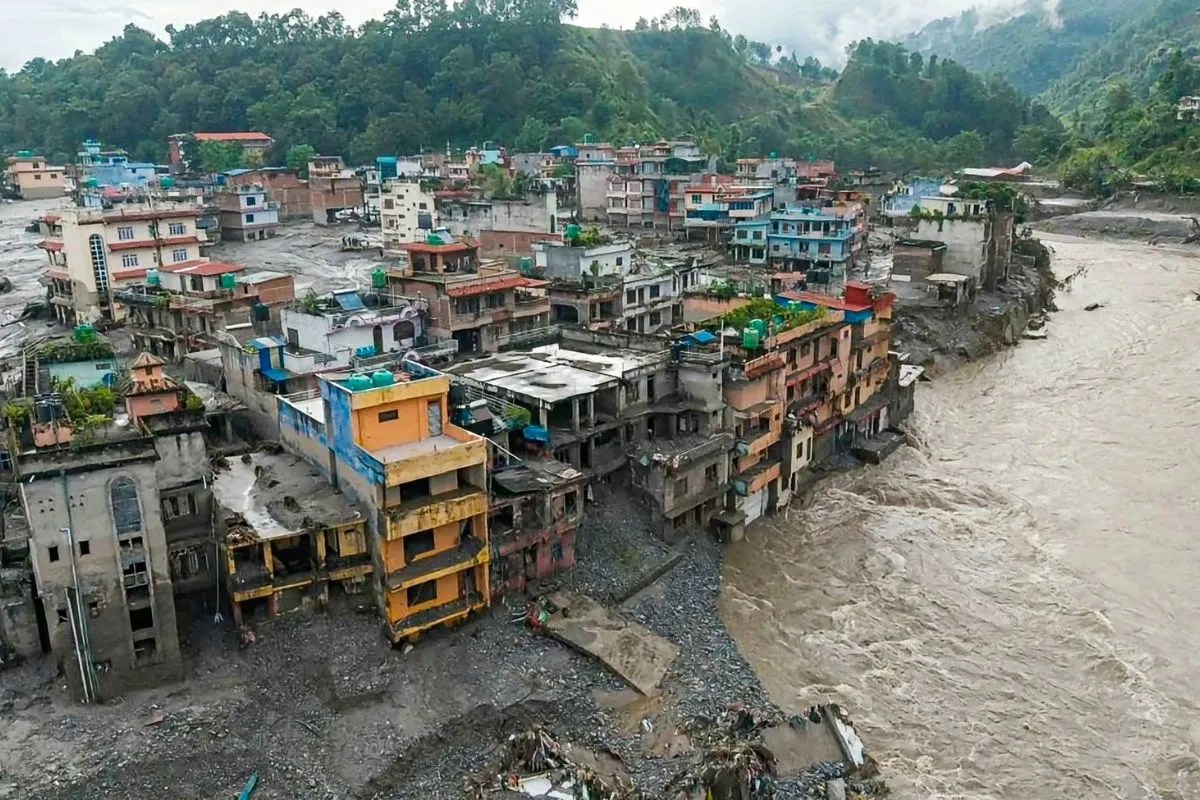
Water has a voice long before it arrives. It begins as a heavy murmur high in the mountains, a distant grinding of rock and liquid that vibrates through the soles of your boots. By the time it reaches the valleys, that murmur becomes a roar. It swallows roads, flattens concrete, and turns familiar hillsides into sliding graves.
Across Nepal, the skies had not simply opened; they had collapsed. Monsoonal downpours turned rivers into muddy battering rams, pushing the national death toll past five hundred and thirty souls. Statistics like that harden in the mind. They become numbers on a screen, cold and distant, easily scrolled past. But numbers do not choke on silt. Numbers do not sit in absolute, suffocating darkness, wondering if the next breath will be their last.
One hundred people were trapped inside a mountain tunnel.
Consider what happens when light disappears entirely. Sight becomes useless. Panic rises in the throat, tasting like copper and dust. (Note: While the exact emotional experience of those trapped inside cannot be independently verified from the surface, accounts from survivors of similar structural collapses consistently describe a terrifying sensory deprivation compounded by rising water levels). In that concrete tube, carved deep into the earth, time fractured. Minutes stretched into hours as the monsoon fury outside battered the sealed entrances.
Outside, the rescue operation was a race against geometry and physics.
Mudslides had choked the access roads. Heavy machinery sat uselessly miles away, blocked by obliterated bridges and torrents of debris. The Nepal army did not wait for ideal conditions. They could not afford to. Armed with shovels, bare hands, and an unyielding sense of duty, soldiers moved toward the slide zones.
I know what mud looks like when it becomes an enemy. It is not just dirt; it is a heavy, sluggish weight that grips you by the ankles and refuses to let go. It smells of crushed vegetation, old earth, and wet iron. When you dig into a fresh landslide, every scoop feels like lifting lead. You work in silence, save for the roar of the river nearby, constantly listening for the subtle, terrifying groan of the mountain shifting above you. If the slope decides to move again, there is nowhere to run.
The soldiers understood this. They pushed forward anyway.
Inside the tunnel, the air grew thin. Every cubic foot of oxygen mattered. The trapped workers, construction crews caught off guard by the sudden deluge, huddled together on elevated ledges and machinery, praying that the bulkheads would hold. Water began to seep through the seams of the doors, a slow, terrifying trickle that promised a much worse flood to come.
Rescuing people from a subterranean trap is a nightmare of coordination. You cannot simply blast your way in; vibrations from explosives could trigger a secondary collapse, burying the very people you are trying to save. Every inch of debris had to be cleared by hand, bucket by bucket, moving tons of wet earth away from the iron doors.
Hours blurred. The rain did not relent.
In crises like these, we often look for heroes in cinematic terms—individuals with superpowers who defy the odds in a single, flawless stroke. Reality is much grimmer, much more exhausting. Heroism is blistered hands. It is a soldier whose uniform is caked in red mud, working through the night on sheer adrenaline and fear for the lives on the other side of that barrier. It is the quiet discipline of a squad leader rationing physical exertion so his men do not collapse from exhaustion before the breakthrough is made.
The breakthrough came not with a dramatic cheer, but with the hiss of escaping air.
When the first seal was cracked, the pressure equalized with a sharp gasp. Flashlights cut through the gloom, illuminating rows of wide, terrified eyes reflecting yellow beams of light. Faces smeared with dirt and sweat broke into ragged, silent tears. They were alive.
Getting them out required the same grueling, step-by-step caution. One by one, wrapped in blankets and guided by steady hands, the trapped workers emerged from the mountain belly into the stinging rain. They blinked against the daylight, though the sky was as gray as slate.
Five hundred and thirty lives lost across the country is a tragedy of staggering proportions. It is a scar across the landscape of a nation that battles the fury of nature year after year. Yet, in that single tunnel, against a rising tide and a shifting mountain, a line was drawn.
The water still flows through the valleys. The monsoon will eventually spend its fury, leaving behind the hard work of rebuilding homes, roads, and lives. But in the damp, quiet aftermath of the rescue, the mountain stands bruised and silent, bearing witness to what happens when human hands refuse to let go in the dark.