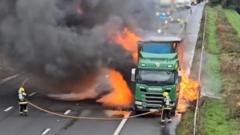
Stuck in gridlock again. You glance at your navigation app, see a bright red line stretching for miles ahead, and hear the familiar word over the radio: lorry fire.
When a heavy goods vehicle catches fire on a major highway or arterial corridor, the ripple effects go way beyond the smoking wreckage itself. A single burning truck can shut down multiple lanes, force emergency lane closures, trigger hazmat or structural pavement checks, and back up traffic for hours. For commercial drivers on tight delivery windows and everyday commuters trying to get to work or school, those delays feel infuriatingly sudden.
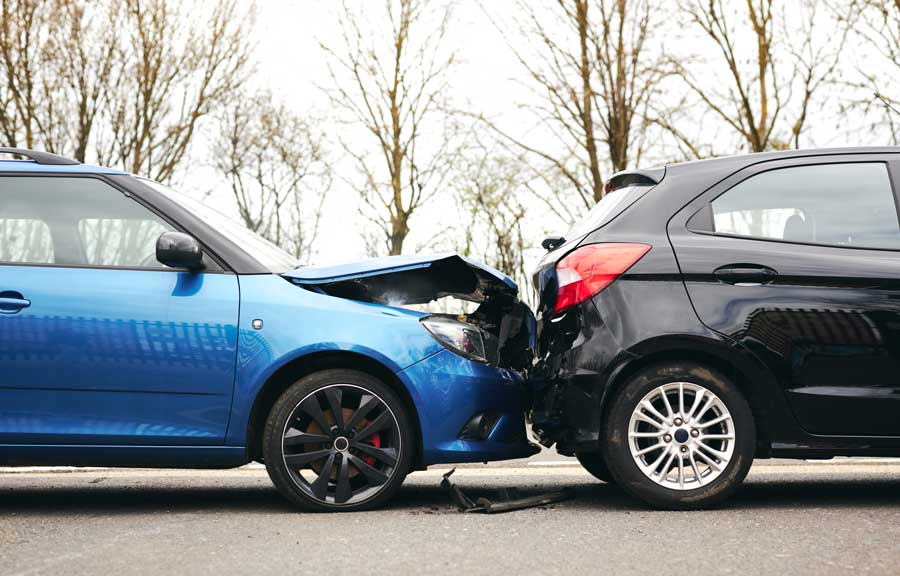
Honestly, most drivers treat a lorry fire like a standard fender bender with bigger flames. That's where people get tripped up. A regular car crash might clear in forty-five minutes once tow trucks pull the vehicles onto the shoulder. A heavy truck fire is a completely different beast. High heat warps asphalt, cargo can be heavy, toxic, or unstable, fire crews need wide safety perimeters, and clearing debris from a multi-axle rig takes serious heavy-recovery gear.
What Actually Happens When a Lorry Catches Fire
When you hear about lorry fire delays, it helps to picture what's happening on the ground before traffic even starts moving again. A standard lorry isn't just a big car. Depending on the load and configuration, it carries hundreds of liters of diesel, pressurized tires, electrical harnesses, brake systems that can overheat badly, and whatever freight is stacked in the back.
Fires on heavy trucks often start quietly. A seized wheel bearing or dragging brake can generate intense heat for miles before flames become visible to passing motorists. By the time smoke billows out from underneath or behind the cab, the heat is already climbing fast.
Firefighters don't rush into an active heavy-vehicle fire blindly. If the cargo isn't immediately verified, crews have to treat potential hazards seriously. Even everyday freight like plastics, textiles, batteries, or packaged goods can produce thick, choking smoke and toxic runoff when burned. If fuel tanks rupture or tires explode under thermal pressure, flying debris and flash flames put responders and nearby traffic at real risk.
Then comes the part drivers hate most: the aftermath. Even after the last visible flame is knocked down, smoldering hotspots can reignite inside dense cargo. Highway engineers may need to inspect guardrails, overhead gantries, or damaged road surfaces before reopening lanes safely. That's why traffic often stays frozen long after emergency lights stop flashing.
Why Brake Heat and Maintenance Shortcuts Matter So Much
In my experience following road transport and freight logistics, mechanical neglect sits behind a huge share of serious commercial vehicle incidents. Long hauls push components hard. When a driver or fleet operator skips routine brake inspections, ignores air leaks, or runs worn tires in hot weather, thermal buildup becomes a quiet ticking clock.
Some folks assume a modern truck with electronic warnings will always alert the driver in time. Not always. Sensors fail, dashboard lights get ignored on long shifts, or heat builds in a spot that isn't monitored closely until smoke hits the mirrors.
There's also a practical reality on busy highways: space. When a lorry catches fire in a middle lane or on a narrow bridge, emergency vehicles can't easily get around the bottleneck. Rubbernecking slows the opposite carriageway too. One stalled, burning truck can turn a twenty-minute commute into a two-hour crawl in both directions.
How Lorry Fire Delays Rip Through Supply Chains and Commutes
Traffic isn't just an annoyance when a major route locks up. It's a chain reaction.
For commuters, a sudden lorry fire ruins schedules fast. If you're driving a car, you might have a shot at ducking off onto side streets or local roads—provided those smaller roads aren't already choking with everyone else trying the same trick. Once local bypasses fill up, a shortcut turns into a parking lot.
For commercial drivers and fleet dispatchers, the stakes are sharper. Delivery slots get missed. Drivers approach legal driving-hour limits while sitting motionless on the tarmac. Perishable goods risk temperature excursions if a refrigerated unit loses power or sits stuck in heat. And if the route is a key freight corridor, one incident can delay dozens of downstream shipments.
A single highway closure doesn't just delay the cars behind it; it scrambles route plans, fuel burn, and delivery schedules for hours after the road reopens.
Let's be real, though. Blaming every delay solely on slow emergency crews misses how complex road clearance actually is. Safety agencies like the National Highway Traffic Safety Administration and international road safety bodies consistently emphasize scene protection and proper hazard management before restoring traffic flow. Opening a lane too early over damaged pavement or uncooled debris can cause a secondary crash—and secondary crashes on already congested highways are notoriously nasty.
Misconceptions Drivers Have During a Major Highway Closure
People make predictable mistakes when traffic grinds to a halt ahead of a lorry fire. Here are a few myths worth clearing up:
- "If I can see smoke, the road will probably clear in twenty minutes." Thick smoke from a heavy vehicle usually means sustained fuel or cargo burning, not a quick flare-up. Plan on a longer wait or an alternate route if you still have a safe exit.
- "The hard shoulder is fair game once traffic stops." Driving on the shoulder blocks ambulances, fire tenders, and recovery trucks. Worse, it can trap you when emergency crews need room to maneuver, and it's illegal in most jurisdictions unless specifically directed.
- "Leaving a gap doesn't help anything." Keeping a clear buffer ahead of you gives emergency vehicles space to weave if needed and reduces stop-and-go accordion braking that makes congestion worse miles back.
Practical Moves When You Hit a Lorry Fire Bottleneck
You can't control a truck fire happening ten miles up the road, and honestly, fighting the gridlock won't make the tow truck arrive any faster. You can, however, make smarter calls in the moment and set yourself up better before your next trip.
- Check live traffic and diversion routes before committing. If you're still before the last major junction or exit, check real-time traffic maps and local transport advisories immediately. Staying on a closed corridor when you still have an exit is a classic trap.
- Watch your fuel, water, and battery levels. Sitting idling in hot weather burns more fuel than expected and drains phone batteries if you're constantly checking maps and messages. Keep at least a quarter tank of fuel whenever possible, especially on long stretches.
- Stay calm and keep lanes clear for responders. Don't weave aggressively between lanes trying to gain three car lengths—it creates hazard pockets near stopped traffic and slows the overall wave of movement.
- Build buffer time into critical trips. If you have a flight, medical appointment, exam, or tight freight delivery window along a major highway corridor, padding your departure time is cheap insurance against unpredictable road closures.
- For fleet operators and drivers, prioritize pre-trip heat and brake checks. Catching a dragging brake, leaking fluid, or overheated hub early prevents emergencies before they start. Good maintenance protects lives first, and saves everyone from brutal highway shutdowns second.
Next time you see traffic stacking up behind a warning sign for a lorry fire, take a breath, check your exit options early, and give emergency crews the room they need to get the road safely open again.