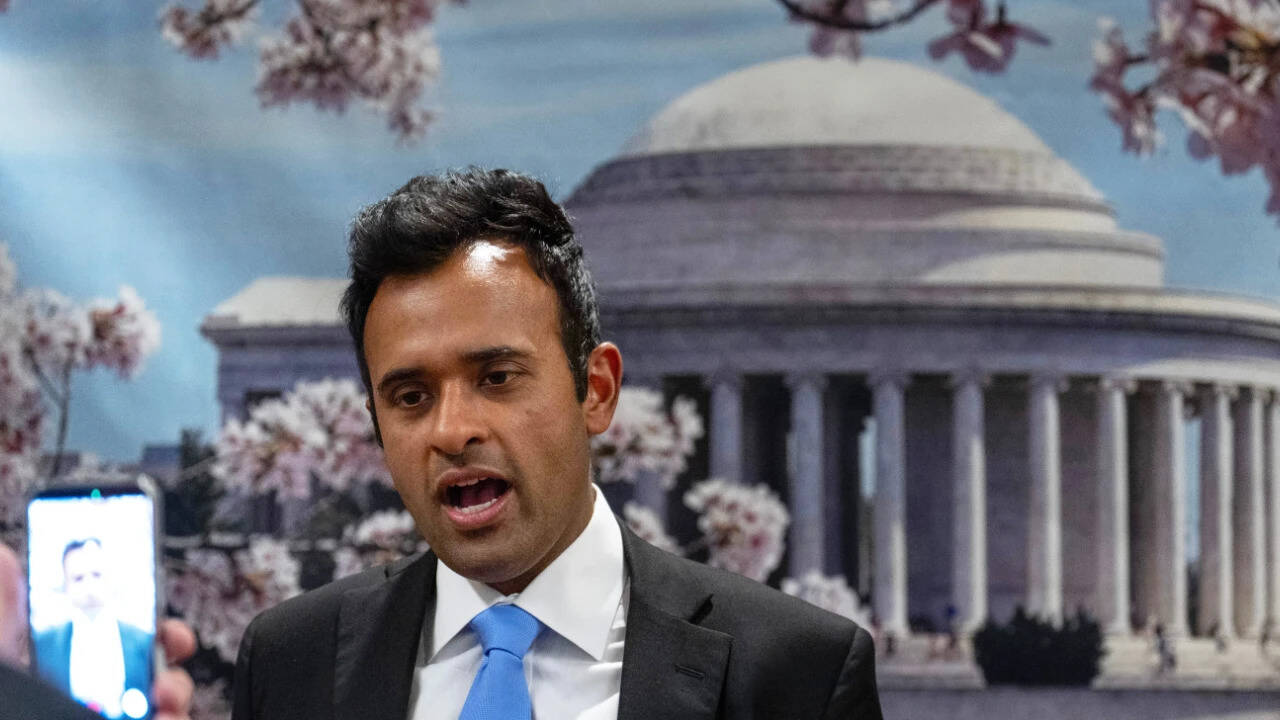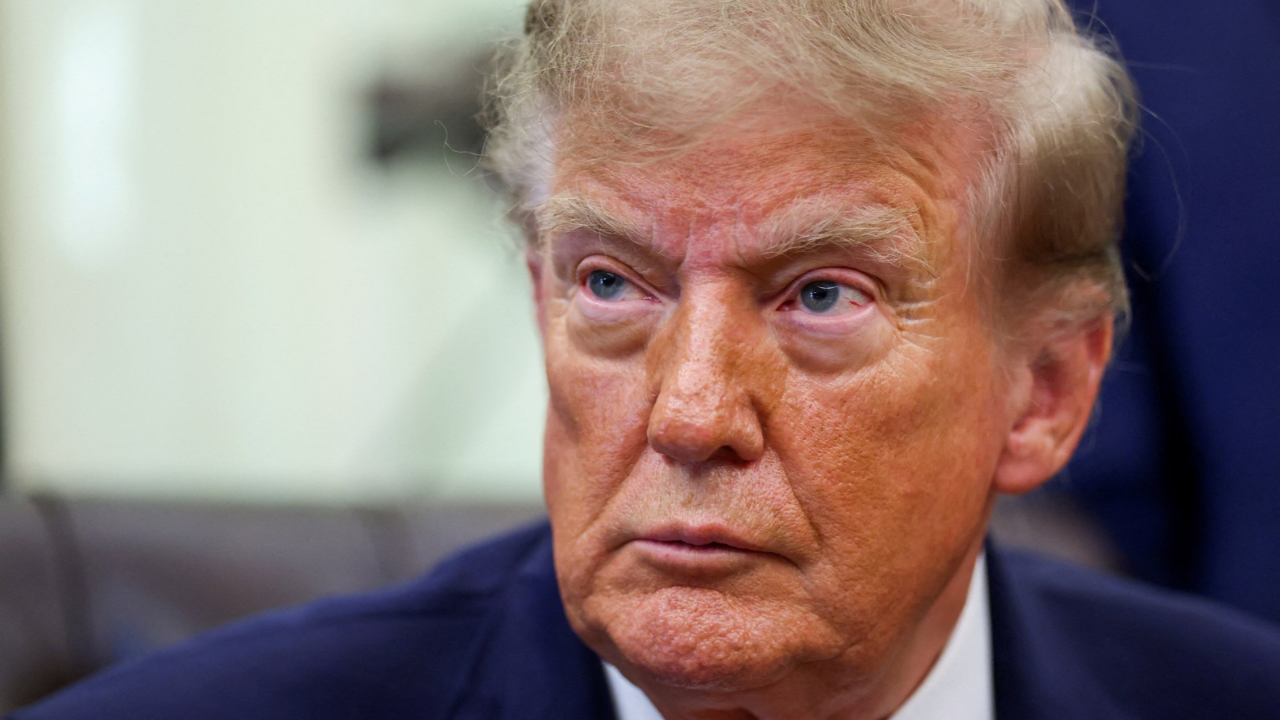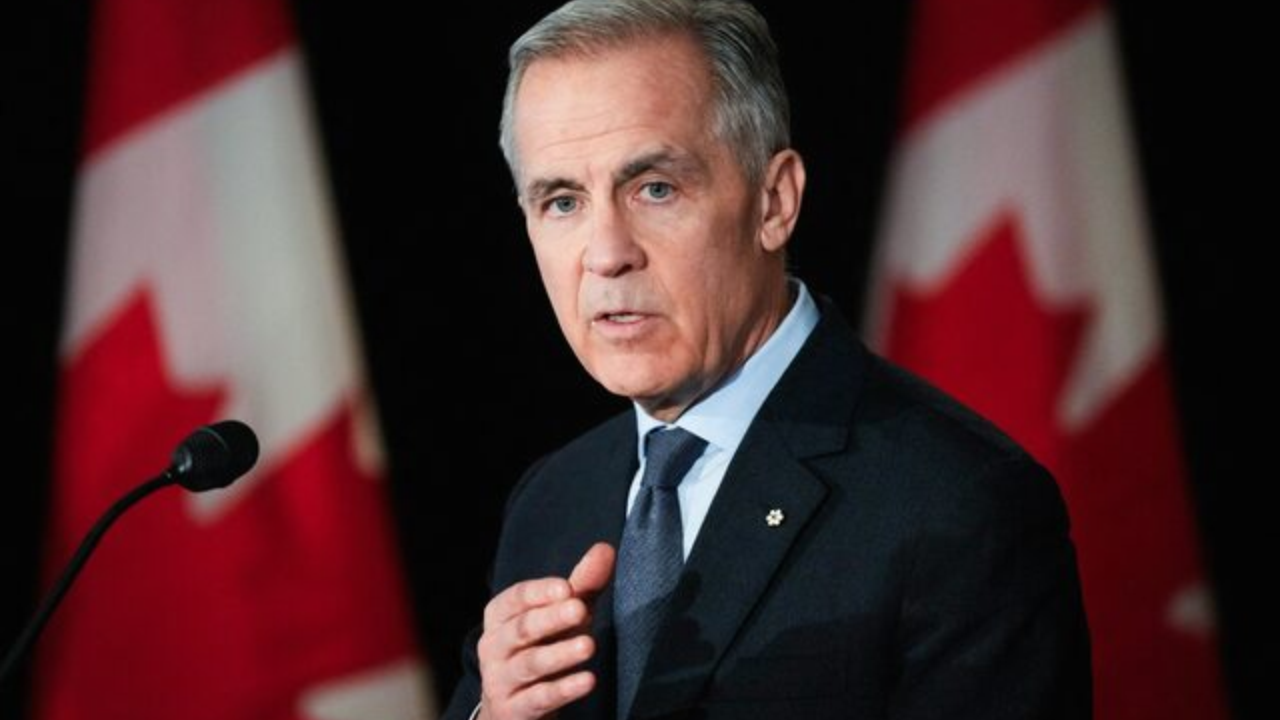
Two leaders traded insults. Millions of readers cheered their own side. Nobody solved a thing.
When Emmanuel Macron tells Donald Trump to stay out of French affairs, or when Trump mocks French unrest from across the Atlantic, cable news and wire services treat it like a heavyweight title fight. A headline like 'Unacceptable, Stupid Comments': Macron Hits Back At Trump Over France Unrest captures the entire media playbook. It frames geopolitical friction as a personality clash. It reduces complex structural failure to a quote war between two men with big microphones and bruised egos.
That framing is lazy. Worse, it is a distraction.
If you spend your time analyzing who landed the sharper rhetorical jab, you are asking the wrong question. The real question isn't whether a foreign president has the right to comment on street riots in Paris or Lyon. The real question is why French streets have become a recurring pressure-release valve across decades of administrations, regardless of who sits in the Élysée Palace or the White House.
Foreign commentary on domestic unrest is cheap theater. Domestic denial is expensive reality.
The Lazy Consensus Around Diplomatic Clapbacks
Standard coverage follows a predictable script. First, an outsider makes a blunt, often provocative remark about civil disorder, policing, immigration, or economic stagnation inside another country. Second, the incumbent leader invokes national sovereignty, decorum, or mutual respect and fires back. Third, commentators pick a winner based on partisan loyalty.
This cycle gives the audience a clean moral binary. If you like Macron, Trump looks reckless and uninformed. If you like Trump, Macron looks defensive and out of touch. Either way, the debate stays safely on the surface.
What gets buried in that noise is basic institutional mechanics. Street unrest on the scale France experiences periodically—whether triggered by pension overhauls, fuel taxes, policing controversies, or housing and employment strain in outer suburbs—does not start because a politician in Washington tweets or speaks at a rally. Civil unrest is a lagging indicator of deep domestic friction: rigid labor markets, high youth unemployment in specific banlieues, fiscal strain, centralization of power, and a widening gap between political promises and everyday purchasing power.
Blaming outside rhetoric for domestic disorder is like blaming the weather report for a leaky roof. You can argue with the meteorologist all day. Water still comes through the ceiling.
At the same time, letting foreign critics off the hook completely is equally sloppy. External commentary often oversimplifies messy internal dynamics into a caricature tailored to domestic voters back home. When a foreign leader uses another nation's turmoil as a prop for their own political base, accuracy is usually the first casualty.
So we get two half-truths colliding in public view: a foreign critique stripped of institutional context, and a sovereign pushback designed to project strength while deflecting hard structural questions.
What People Actually Ask When Unrest Hits France
When headlines scream about unrest and diplomatic pushback, search behavior spikes around a few predictable questions. Most of them start from a shaky premise.
"Does a foreign leader have the right to criticize another country's unrest?"
Politically, leaders say whatever serves their domestic audience or strategic posture. Legally and diplomatically, sovereignty means foreign governments do not run domestic policy—it does not mean foreign politicians are physically mute.
The flaw in the question is treating "right to comment" as the main issue. In international politics, leaders comment on each other's domestic affairs constantly, often selectively and opportunistically. Getting indignant over the fact of commentary usually helps the incumbent change the subject from policy outcomes to national pride. A sharper response isn't theatrical outrage; it's pointing out where the critic's facts are wrong while fixing the underlying vulnerabilities that make criticism stick.
"Why does France seem to face protests and riots more often than neighbors?"
People love to reach for a single-factor explanation: French culture, aggressive policing, union power, immigration policy, or economic over-regulation. None of those alone tells the full story.
Political scientists and comparative policy researchers—scholars like Suzanne Berger, Vivien Schmidt, and Jonah Levy—have spent careers examining how France's centralized state, corporatist traditions, and periodic reform waves interact with public frustration. When decisions are heavily centralized and reforms arrive as top-down shocks after years of gridlock, opposition frequently spills into the streets rather than finding a smooth, gradual compromise inside local institutions. Add high visibility in global media and a long historical memory of protest as political leverage, and unrest looks both more frequent and more dramatic.
"Is foreign criticism helping or hurting the situation on the ground?"
Usually neither, except at the margins of political messaging. People throwing stones or blocking roads rarely change their behavior because of a speech given thousands of miles away. What external commentary does is give domestic factions ammunition. Ruling parties use foreign remarks to rally around the flag; opposition figures and critics use the turmoil itself to argue that the ruling model is failing.
Inside the Mechanics of Political Deflection
Over years of watching crisis communications and political strategy up close, I have seen smart leaders and expensive PR teams burn massive credibility on the exact same mistake: treating a structural crisis like a messaging problem.
I've watched organizations and campaigns pour millions into rapid-response statements, indignation tours, and media counter-offensives while ignoring the operational breakdown sitting right behind them. A sharp rebuttal can win a news cycle on Tuesday. It cannot fix a broken system on Friday.
Let's define terms cleanly so we don't confuse symptoms with causes. Civil unrest refers to large-scale public disorder, protests, strikes, or riots driven by grievances, economic pressure, policing friction, or political alienation. Diplomatic friction is the public or private tension between governments over policy, rhetoric, or perceived interference. Conflating the two leads people to believe that silencing or scolding a foreign critic restores calm in the streets. It doesn't. Calm returns when grievances are addressed, order is enforced proportionately and predictably, and institutions regain legitimacy.
Consider a thought experiment to test how hollow pure rhetoric is. Imagine a scenario where every foreign leader on Earth abruptly swore a vow of silence regarding French domestic politics for five years. No speeches, no interviews, no social media posts from abroad. Would French pension debates suddenly become effortless? Would youth unemployment in disadvantaged neighborhoods vanish overnight? Would municipal budgets balance themselves? Of course not. The underlying incentives, fiscal constraints, and social tensions would remain intact. External noise would drop; internal friction would stay.
That thought experiment exposes the core trap of outrage politics: it mistakes rhetorical victory for problem-solving.
Where My Own Contrarian Take Can Trip You Up
Being contrarian has a well-known hazard. If you spend all your time pointing out that diplomatic spats are a distraction from structural reform, you can end up sounding cold, overly technocratic, or blind to how real politics works.
Politics is partly theater. Symbols matter. National sovereignty and public dignity are real political forces, not mere abstractions. A leader who ignores a public insult completely can look weak to voters who expect a defense of the office or the country. So dismissing the rhetorical clash as "just noise" goes too far if you pretend public perception has zero impact on governance.
There is also the risk of over-correcting into fatalism. When you argue that unrest stems from entrenched structural factors—centralized governance, fiscal rigidity, labor friction, social integration challenges—it is easy to slide into the view that nothing can be done quickly. That breeds cynicism, which is just another excuse for inaction.
The honest balance is holding two ideas at once: respond to external distortion with precision, while pouring ninety percent of your serious energy into domestic execution.
How to Read Headlines Like an Insider Next Time
You don't need a security clearance to cut through viral political clashes. You just need a better filter when the next diplomatic row breaks out over domestic unrest.
- Separate the quote from the cause. When a foreign leader criticizes another country's turmoil, ask what domestic audience that remark was built for—and then look at local economic, municipal, and policing data to see what is actually happening on the ground.
- Watch who benefits from the outrage. Notice which politicians suddenly get to talk about "respect" and "sovereignty" instead of budget deficits, housing shortages, or reform delays. Outrage is often a convenient shield.
- Look for institutional bottlenecks, not just villains. Villains make great stories; bottlenecks explain outcomes. Check how policy decisions are made, who bears the adjustment costs, and where trust between citizens and authorities has eroded.
- Demand concrete metrics over clever lines. A witty comeback doesn't lower inflation, train new officers, build affordable housing, or fix vocational pathways. Track policy delivery months later, not applause lines in the first hour.
Imagine a scenario where media outlets led with hard data on housing, employment, and municipal strain instead of trading insults between two famous politicians. Coverage would be less clickable in the short term—and vastly more useful to citizens trying to understand why unrest keeps returning.
Stop cheering the clapback. Start watching the fundamentals.