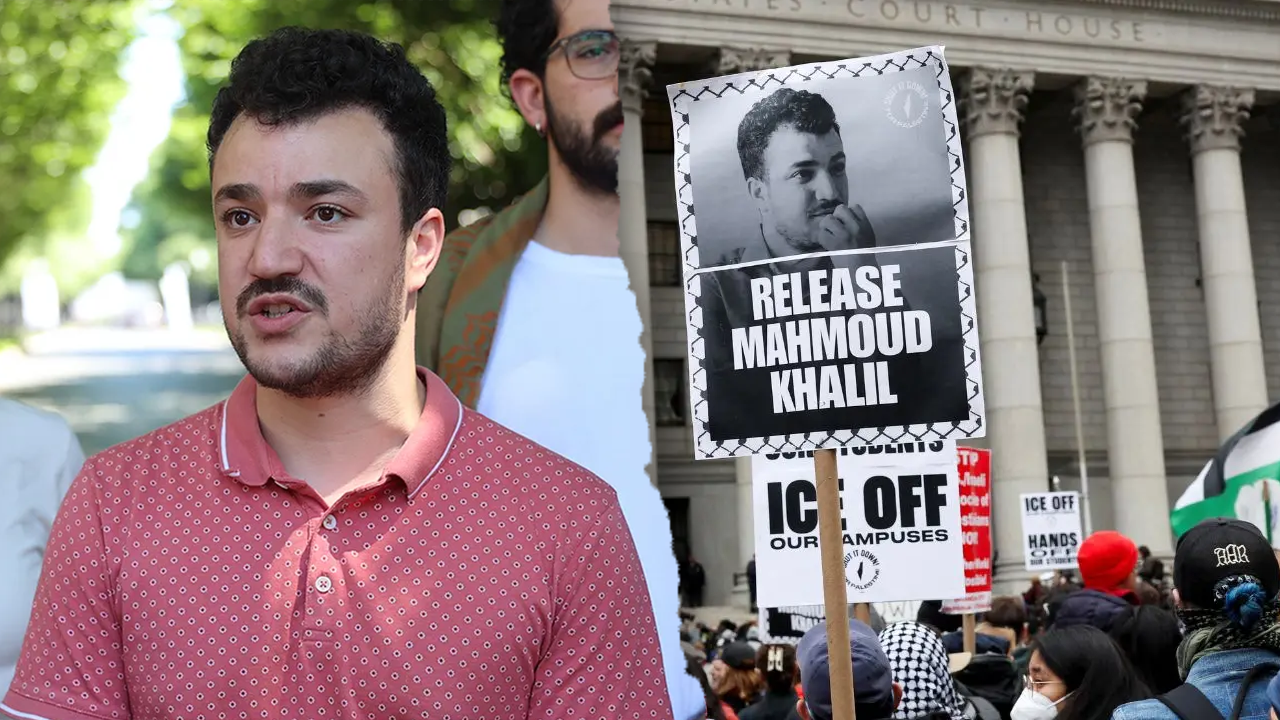
The lazy consensus surrounding the Mahmoud Khalil discrimination lawsuit against Columbia University follows a predictable, lazy script. The mainstream narrative paints a straightforward picture of institutional malice, a campus crucible of free speech, and an aggrieved student taking on a cold, unyielding administration. Everyone loves a David versus Goliath parable. It fits neatly into the 24-hour outrage cycle. It lets commentators pick their side in the broader cultural war and retreat into comfortable echo chambers.
It is also completely wrong.
Focusing purely on whether Columbia "cared" about Khalil misses the actual structural rot rotting higher education from the inside out. I have spent years watching institutions of higher learning mutate from centers of rigorous inquiry into hyper-litigious corporate entities terrified of their own legal departments. When a student files a discrimination suit against an Ivy League powerhouse, the public zeroes in on the interpersonal animus, the bureaucratic coldness, and the rhetoric of civil rights. That is the smoke. The fire is much worse.
The Corporate Bureaucracy Trap
Universities do not operate like intellectual communes anymore. They run like bloated Fortune 500 conglomerates governed by risk-averse legal counsels and PR teams whose sole objective is survival against liability. When the Khalil legal filing claims the administration failed in its duty, it assumes there is a human conscience behind the institutional wheel to appeal to. There is not. There is only a risk matrix.
I have watched university administrators blow millions on PR crises because they treated students not as scholars, but as open litigation liabilities. When a campus becomes a battleground, the administration does not act out of malice or deep ideological alignment with one faction or another; they act out of pure, unadulterated self-preservation. To frame this as a simple narrative of personal discrimination or targeted hatred is to misunderstand the cold machinery of modern academic governance. The system does not care about you because the system is legally engineered to care about nothing except avoiding a settlement payout.
Weaponizing the Grievance Industry
Let us address the uncomfortable elephant in the room that both sides of the political aisle refuse to touch. Litigation has become the primary mechanism for political theater on campus. When political activism hits a brick wall of administrative intransigence, the court system becomes the stage for Act Two.
This creates a dangerous feedback loop. Students and external activist networks realize that filing a discrimination lawsuit generates immediate media oxygen, forces institutional hand-wringing, and exerts pressure that standard protest tactics failed to achieve. But look closely at the mechanics of these legal filings. They often stretch the definition of statutory discrimination to fit a broader political narrative.
When you dilute actual, verifiable discrimination with politically charged administrative disputes, you devalue the very legal protections built to shield marginalized people from genuine workplace and educational bigotry. If every institutional disagreement or policy enforcement becomes a federal discrimination suit, the legal thresholds lose their teeth. We are watching the judicial system get dragged into administrative babysitting, and nobody wants to admit that the emperor has no clothes because the tickets to the show sell too well.
The Myth of Neutral Academia
Another comforting delusion is that Columbia—or any other elite university—was ever an objective bastion of neutral free expression until recent geopolitical tensions broke the spell. That is a fairy tale told to alumni during fundraising galas.
Elite universities have always enforced strict conformity. The acceptable boundaries of discourse have always been carefully managed by donors, trustees, and administrative gatekeepers. The only thing that has changed is the enforcement mechanism. Yesterday, speech was chilled through quiet professional blacklisting and tenure denials. Today, it is managed through heavily lawyered codes of conduct, weaponized campus safety policies, and sprawling federal investigations.
Khalil’s lawsuit frames his treatment as an anomaly, an egregious departure from normal university operations. That is the fatal flaw in the legal argument. His treatment was not an anomaly; it was the system working exactly as designed when an institution is placed under extreme external pressure and lacks the institutional spine to protect open inquiry.
What Actually Needs to Fix
If we stop treating these lawsuits as moral morality plays and start treating them as symptoms of systemic collapse, the required fix becomes blindingly obvious.
First, universities must strip away the ballooning administrative apparatus that treats students as litigious threats. Cut the Dean of Administrative Compliance positions. Return power to faculty senates who actually care about the life of the mind rather than brand protection.
Second, federal courts need to stop entertaining civil rights lawsuits that are transparently proxy wars for foreign policy debates. The courts are not ideological referee boards.
Finally, students and activists must abandon the naive belief that the legal system will ever validate their political struggles. Lawsuits do not build movements. They drain war chests, enrich corporate defense attorneys, and leave the underlying rot completely untouched.
Stop looking to the courts to rescue campus discourse. They are designed to preserve the institution, not your conscience.


