When the White House decided to lock out CNN, MS NOW, and Politico, they probably expected the rest of the media establishment to politely fall in line and fight over the scraps. Instead, they triggered an absolute earthquake in broadcast journalism. Major networks including ABC, CBS, NBC, Fox News, and CNN collectively pulled the plug on standard White House pool coverage.
Let's be clear about what happened. This isn't just another petty political squabble between an administration and reporters. It's a high-stakes standoff over the First Amendment that completely upends how news gets delivered to the public.
The Breaking Point Behind the Boycott
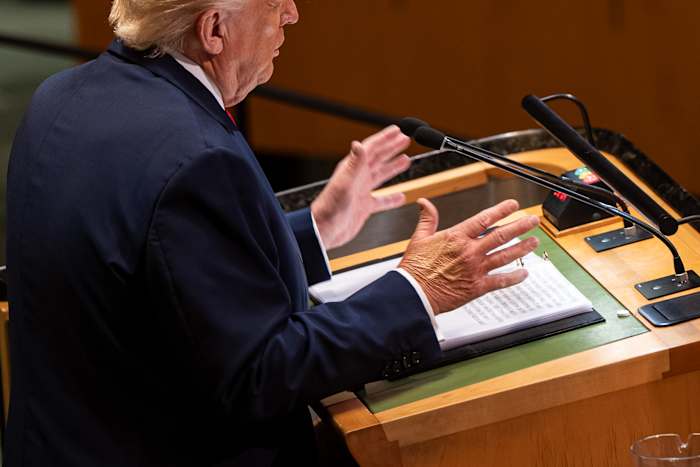
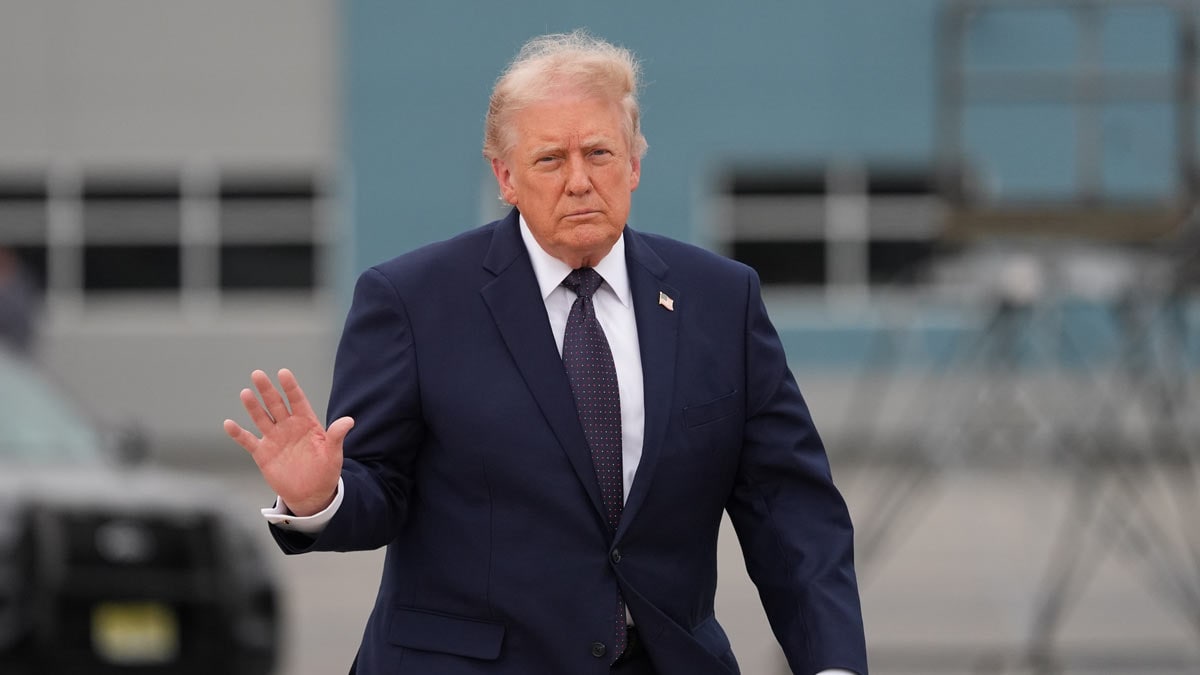
The crisis erupted when Donald Trump barred specific news organizations from the White House grounds, labeling them as a national security threat and calling the independent press a cancer. For decades, the presidential press pool has operated as an essential shared resource. Cameras from major networks rotate to capture presidential movements so the entire nation gets a clear, unfiltered view of executive power.
When the administration tried to force a curated, state-controlled feed—dubbed "Trump TV"—while locking out critical journalists, the major networks drew a hard line. They refused to broadcast the administration's sanitized events. By stepping back, they sent an unmistakable message: you don't get to handpick who gets to report on the presidency without facing a united front.
Why This Move Changes Everything
You might wonder if boycotting coverage actually hurts the administration or just starves viewers of information. Honestly, it does a bit of both, but the immediate fallout showed just how vital independent cameras really are. When alternative broadcasters tried to cover presidential trips without the standard pool setup, viewers were left staring at awkward, silent feeds because the proper audio and visual infrastructure wasn't allowed in the room.
The banned outlets didn't just walk away quietly, either. They immediately fired back with a major federal lawsuit arguing that stripping press passes based on critical reporting is a blatant violation of constitutional rights. Legal scholars have pointed out that while access can be managed, weaponizing exclusion specifically to punish speech creates a terrifying legal slope.
The Dangerous Precedent of Curated Information
We are watching a fundamental shift in how political
Why Major Networks Are Drawing the Line on White House Press Bans
news
When the White House decides who gets a seat in the briefing room, the math changes for the entire news industry. You've probably watched press briefings turn into shouting matches. But what happens when the government stops just shouting and starts barring reporters from entry? Major television networks had to answer that exact question during tense clashes over White House press bans. They didn't just write angry memos. They staged boycotts.
Let's talk about why these blackouts matter. It isn't just about bruised journalistic egos or corporate cable rivalries. It's about access. It's about whether an administration can pick its favorite reporters while punishing outlets that ask hard questions. When major networks refuse to cover events under restrictive conditions, they're drawing a sharp line in the sand. They are defending the fundamental architecture of a free press.
The Breaking Point Behind the Press Room Doors
The tension usually starts small. A reporter asks an uncomfortable question. The press secretary dodges. Tempers flare. Then the credentials get pulled.
Historically, administrations have tried to manage the press. That's politics. Every president from Washington to the modern era has complained about media coverage. But weaponizing physical access to executive events crosses a dangerous line. When the White House restricts a specific network or a pool reporter, they aren't just icing out one journalist. They are locking out millions of viewers who rely on that specific outlet for unfiltered information.
Networks realized they couldn't normalize this behavior. If you comply today, tomorrow the rules get tighter. Pretty soon, the only cameras allowed inside are the ones broadcasting state-approved talking points. That's why the pushback happened. Broadcasters understood that standing alone means getting picked off one by one. Standing together changes the leverage entirely.
How Newsrooms Coordinate a Boycott
Coordination inside the broadcast industry is messy. Competitors are constantly fighting for ratings, scoops, and advertising dollars. CNN, MSNBC, Fox News, ABC, CBS, and NBC rarely agree on anything before breakfast. Yet, when foundational press freedoms face a direct threat, corporate rivalries take a back seat.
Let's look at the mechanics of a network-level boycott. It requires immense discipline. Producers must pull crews from live shots. Anchors must shift editorial priorities away from high-profile White House events. Executives have to accept that they'll miss breaking moments while their competitors might—just might—try to sneak in.
It's a high-stakes game of chicken. If one network caves and takes the feed, the unified front crumbles. The administration wins. That's why industry solidarity is so fragile and so vital. When networks actually hold the line, the visual of empty press pens or canceled live hits sends an unmistakable signal to the public.
The Broader Impact on Public Trust
You might wonder why everyday viewers should care about media turf wars. After all, public trust in mainstream journalism sits at historic lows. A lot of people watch these fights and think, let them scrap.
Here is the reality you need to keep in mind. A compromised press room doesn't hurt the networks nearly as much as it hurts you.
When reporters can't ask questions about military deployments, economic policy, or public health emergencies, accountability vanishes. Executive power expands into the shadows. Without independent journalists pushing back against sanitized press releases, governance becomes an echo chamber.
Boycotting presidential events isn't a PR stunt. It's a defensive measure for democracy. Networks are signaling that access must be earned through open governance, not granted as a reward for favorable coverage.
What Happens When Access Becomes a Weapon
Every time an administration bans a journalist, a precedent gets set for the next one in line. Power shifts. If today's administration shuts out reporters they dislike, tomorrow's administration will use the exact same playbook against different outlets.
You see this cycle repeating across the political spectrum. Politicians love the press when it helps them, and despise it when it exposes them. But journalism's job description requires friction. It isn't supposed to be comfortable. The moment a press corps becomes compliant, it stops being a watchdog and starts being a megaphone.
Networks that boycott restrictive events take a financial hit. Live coverage drives ratings. Skipping a major White House address costs money in ad revenue. Executives weigh those losses against their long-term credibility. Fortunately, institutional survival usually wins out over short-term profits.
Keep a close eye on how news organizations respond the next time credentials are revoked. The reaction tells you everything you need to know about the health of our public discourse. If the industry folds, expect less truth and more spin. If they stand firm, the public keeps its window into power. Watch the empty podiums next time. They speak louder than any press release ever could.