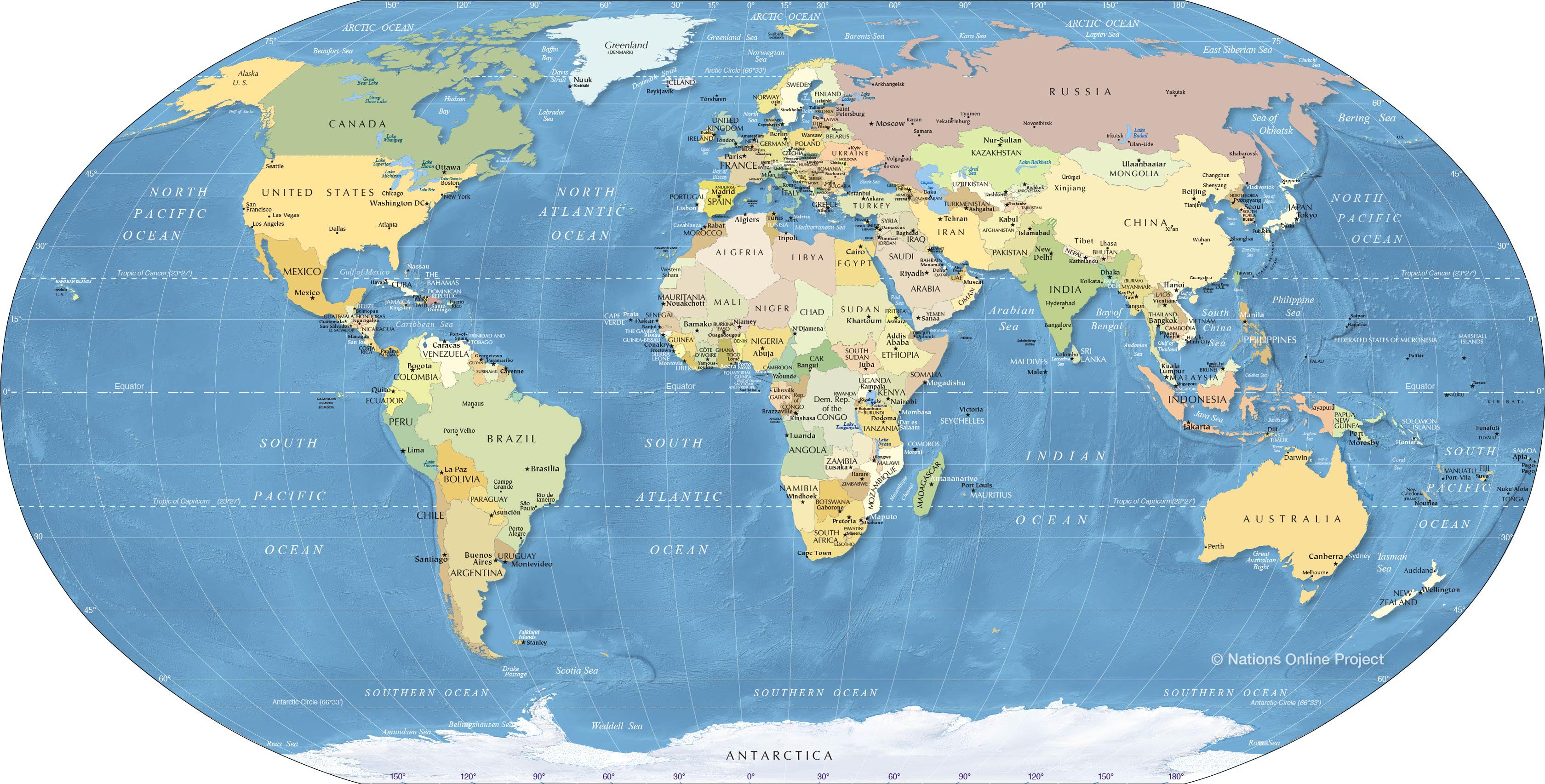
Old maps lie. They show oceans as blue spaces of absolute void and mountain ranges as granite walls built to keep neighbors apart. But standing inside a processing plant in Tashkent, looking at containers heavy with unrefined lithium and raw copper, the old maps feel entirely useless.
Geography used to dictate destiny. If you shared a border, you traded. If a vast desert sat between your capitals, you waited. Today, the distance between New Delhi and Tashkent is measured not in miles across the Hindu Kush, but in milligrams of rare elements.
Consider a hypothetical engineer named Sardor, waking up before dawn in the Kyzylkum Desert. Outside his window, the wind carries dust that has coated stone for millennia. Beneath that stone lies the physical skeleton of the twenty-first century: critical minerals. Lithium, graphite, titanium. The elements that turn dead glass and silicon into smartphones, electric vehicles, and the invisible grids powering modern life. Sardor does not care about geopolitical theory. He cares about extraction rates, safety protocols, and finding markets durable enough to purchase what his land surrenders.
Thousands of miles away, inside a sunlit office in South Block, New Delhi, External Affairs Minister S. Jaishankar pores over economic ledgers that tell a complementary story. India is surging. Its factories are expanding, its cities are stretching upward, and its appetite for technological raw materials is bottomless. For years, the global supply chain for these critical inputs ran through narrow bottlenecks, vulnerable to sudden political frost or corporate monopolies.
When Jaishankar speaks of moving cooperation directly into mining, he is not just reciting diplomatic protocol. He is mapping a survival strategy for an industrial superpower.
Trade agreements are usually dead documents. They are bound in heavy blue covers, drafted by lawyers who have never smelled ozone or diesel, and filed away in damp basements. Yet, the expanding corridor between India and Uzbekistan cuts through that bureaucracy. It is an attempt to bypass traditional vulnerabilities.
Let us walk through what this actually looks like on the ground.
When an Indian delegation visits Tashkent to discuss critical minerals, they are looking for security. Not military security, though that always lingers in the background of Central Asian diplomacy, but economic breathing room. India needs materials that do not depend on the goodwill of hostile competitors or volatile maritime choke points. Uzbekistan, landlocked and eager to diversify its economic partnerships beyond traditional superpowers, needs capital, advanced processing technology, and a massive, hungry consumer market.
It is an exchange born of necessity.
Think of the child sitting in a classroom in Mumbai or Samarkand, holding a tablet. Neither child knows it, but their shared future depends on the rock Sardor helps unearth and the trade routes Jaishankar helps negotiate. That is the hidden architecture of international relations. It is rarely about grand battlefields anymore. It is about logistics yards, rail gauges, bilateral credit lines, and the quiet agreements signed over lukewarm tea in government chambers.
Critics often look at such pacts with cynicism. They point out that infrastructure takes time, that mountain passes are treacherous, and that bureaucratic friction can suffocate the boldest intentions. They are right, of course. Change does not happen overnight.
But cynicism mistakes friction for failure.
In the late nineties, trade between these two nations moved at a crawl, hindered by Soviet-era rail networks and complex customs hurdles. Today, transport corridors are modernizing. Goods move through Iran's Chabahar port, bypassing old blockades, slipping past the friction points of traditional geography.
We are watching the redrawing of economic gravity.
When two countries decide to target critical minerals together, they are making a long-term bet. They are betting that cooperation will outlive current political administrations. They are betting that the demand for green energy and high-tech manufacturing will force open borders that were once tightly sealed by suspicion.
Sardor finishes his morning tea, pulls on his heavy boots, and walks out toward the extraction site where heavy machinery hums against the desert chill. In New Delhi, the sun rises over government enclaves where diplomats adjust their schedules for another round of talks.
The rock is still in the earth. The contracts are still being polished. But the heavy machinery of history has already started to turn.