Ink dries faster than memory. We forget this until we look at a map printed five years ago and realize the borders of our understanding have shifted underneath us while we slept. In the high valleys of the Pir Panjal range, where the air tastes of pine smoke and wet stone, maps are more than geography. They are political declarations. They are the difference between a family waiting out a curfew and a tourist unpacking a camera bag in a Srinagar hotel.
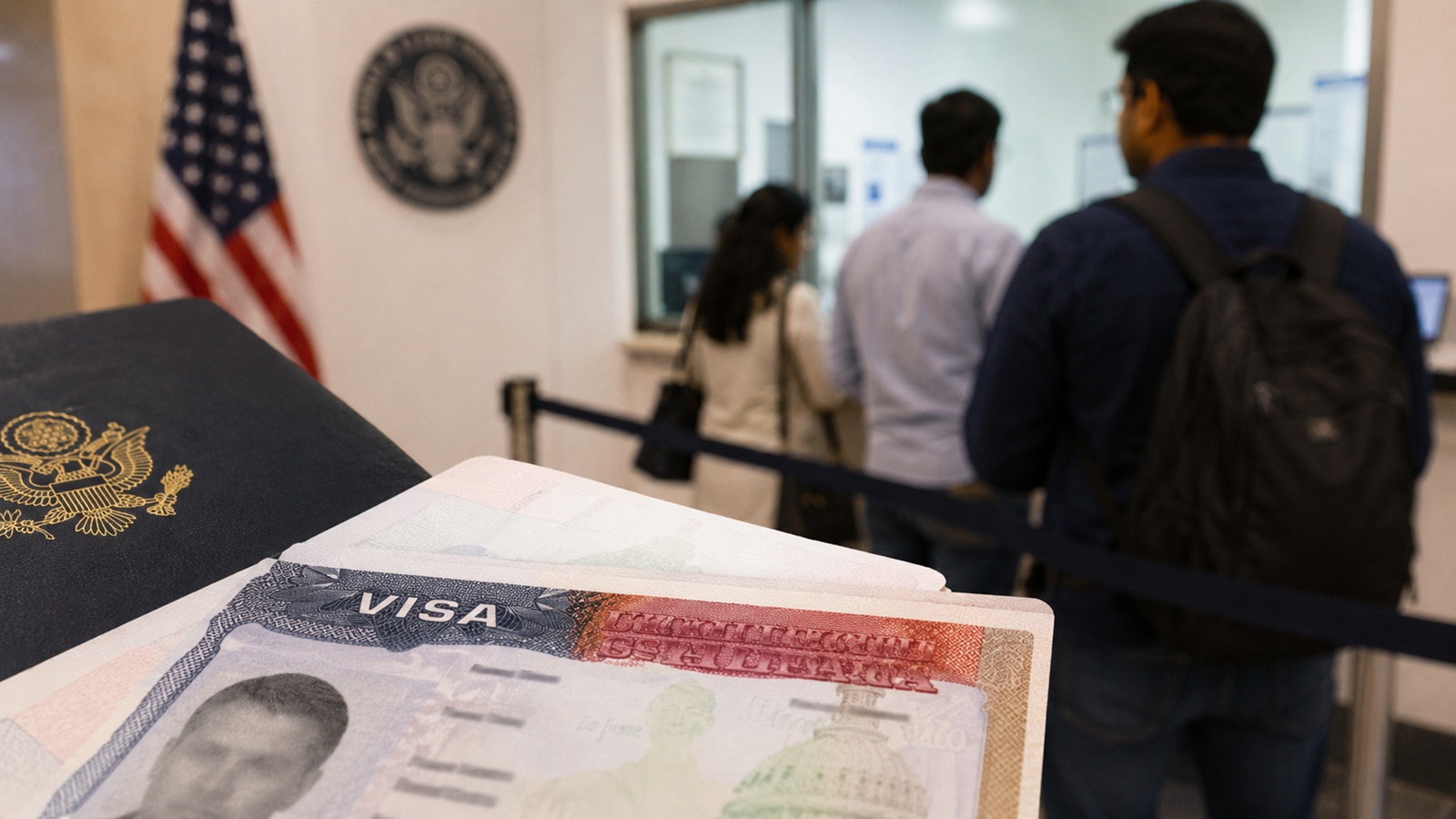
For years, the United States Department of State maintained a stark warning for anyone holding an American passport who felt the pull of the Himalayas. Level 4. Do not travel. A red stamp of absolute prohibition born of decades of volatility, cross-border skirmishes, and systemic instability. To read that advisory from thousands of miles away was to imagine a permanent war zone wrapped in mist. But ink on bureaucratic paper rarely captures the slow, grinding change of daily life on the ground.
Consider what happened recently in Srinagar, where US Ambassador Sergio Gor walked through a security apparatus that has undergone a profound transformation since the watershed constitutional shifts of 2019. Meeting with Jammu and Kashmir Chief Minister Omar Abdullah, the envoy did something foreign diplomats rarely do with such casual finality. He called the region an important part of India and noted the incredible security steps taken to make the union territory safe.
Whispers in diplomatic corridors quickly turned into substantive analysis. Foreign affairs expert Michael Kugelman pointed out the obvious, heavy truth of the moment. If Washington follows through on its hint to downgrade that rigid travel advisory, it will not merely be an administrative update for backpackers. It will be a major geopolitical victory for New Delhi.
Why does a shift in travel guidance matter so intensely? Because foreign policy is written in symbols. Since the abrogation of Article 370, the Indian government has fought a tireless diplomatic campaign to convince the international community of a single narrative: normalization. New Delhi wants the world to view Kashmir not as a bleeding flashpoint trapped in perpetual emergency, but as a territory opening its doors, managing its own security, and integrating completely into the economic and social fabric of the nation.
When a global superpower like the United States tells its citizens that a place is safe enough to visit, it validates that narrative in a way no domestic press release ever could. It changes the insurance calculations. It alters corporate investment portfolios. It rewrites the script of global perception.
Yet, diplomacy is never a solitary equation. Every action in South Asia ripples across a delicate web of competing interests. While New Delhi prepares to celebrate a profound diplomatic milestone if the advisory falls, Islamabad and Rawalpindi are watching with mounting apprehension. At a time when US-Pakistan relations have enjoyed a period of relative calm, an American ambassador labeling Kashmir an integral part of India while telegraphing an easing of travel restrictions introduces an unexpected fracture into the diplomatic foundation. It is a jolt that threatens to ruffle feathers and complicate Washington's balancing act in the region.
We must also look at the man behind the current diplomatic dance. The Trump administration has rarely operated within traditional foreign policy guardrails. From unconventional commentary on regional ceasefires following operations like the military response to the Pahalgam terror attacks, to unpredictable bilateral overtures, American foreign policy in the region has taken on a mercurial texture. That makes Ambassador Gor's trip all the more striking. It is a physical manifestation of a changing policy climate, executed right on the banks of Dal Lake.
Imagine standing on those waters at dusk. The shikaras glide silently across the mirror-like surface, their wooden hulls brushing against lily pads. The call to prayer echoes from the distant hills, blending with the laughter of children playing cricket on the shore. For the shopkeepers, hoteliers, and taxi drivers who depend on the seasonal tide of outsiders, the American advisory has been a heavy anchor dragging down their livelihoods. A downgrade means more than political validation for a government in capitals miles away. It means bread on the table. It means a family-run houseboat booking up for autumn.
The advisory has not changed yet. Officials urge caution, noting that formal policy reviews take time and bureaucratic inertia is a stubborn beast. But the psychological barrier has already been breached. The envoy came, he looked past the old fears, and he spoke out loud what New Delhi has long insisted is the reality on the ground.
The sun drops behind the jagged peaks of the Zaverwan range, plunging the valley into a sudden, deep indigo shadow. Up in Washington, policy papers sit in mahogany desks, waiting for stamps and signatures that will decide the official status of a landscape already moving forward. The mountains do not wait for the ink to dry. They stand tall, indifferent to the wording of foreign advisories, watching the world slowly learn how to see them anew.