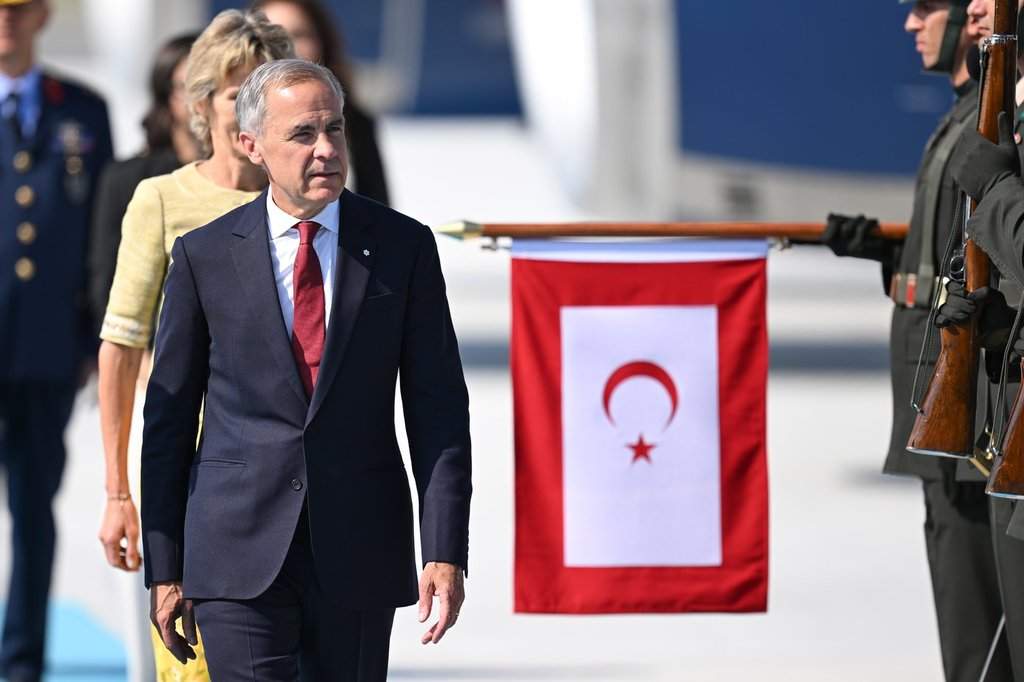
Canadian Prime Minister Mark Carney touched down in Ankara for a landmark three-day diplomatic mission, marking a major turning point in how middle powers handle a fractured global economy. If you have been tracking how Ottawa is scrambling to diversify its alliances away from an increasingly erratic Washington, this trip isn't just routine diplomacy. It's a calculated move.
Two-way merchandise trade between Canada and Turkey hit $4.3 billion in 2025, but both capitals know that number is peanuts compared to what’s possible. Carney and Turkish President Recep Tayyip Erdoğan are actively pushing toward a lofty $10 billion trade target, backed by active negotiations for a comprehensive free trade agreement. When countries start talking trade numbers this aggressively, you know supply chains are being rewritten in real time. Expanding on this idea, you can also read: Why Your Outrage Over the West Bank Olive Harvest Detainment Misses the Real Play.
Why Ottawa is Resetting Ties With Ankara
Let's be honest. Traditional diplomatic alliances are under immense strain. With old certainties fading, Canadian leadership realizes you can't keep all your economic eggs in one geographic basket. Turkey offers a massive strategic bridge between Europe, Asia, and the Middle East. It's a powerhouse in NATO, boasts a booming manufacturing and defense sector, and sits squarely on critical trade corridors.
When Carney met Erdoğan, they didn't just shake hands for the cameras. They hammered out the architecture of a new strategic partnership covering defense industrial collaboration, clean energy, and critical minerals. Canada needs reliable industrial partners who won't pull the rug out over sudden political shifts, and Turkey is eager to expand its footprint in North American markets. Observers at The New York Times have provided expertise on this trend.
Defense, Drones, and Realpolitik
You can't talk about modern Canadian-Turkish relations without addressing the elephant in the room: past friction over defense exports. Canada previously placed restrictions on drone technology and military optics exports to Turkey. But geopolitical pragmatism won out. Following a mutual reset when Carney took office, both nations signed a Statement of Intent on Defence Cooperation.
Critics might squawk about values versus interests, but realpolitik dictates that modern defense allies must rely on each other for interoperable gear and advanced tech. Turkey's defense manufacturing capacity has skyrocketed over the past decade, particularly in unmanned aerial systems and naval engineering. For Canada, plugging into that industrial base offers practical supply chain security that traditional domestic procurement simply cannot match on its own.
The Push for Free Trade
Technical talks for a bilateral free trade agreement are already moving at a breakneck pace. Canadian business leaders traveling with the delegation are eyeing Turkish construction, automotive, and agricultural markets, while Turkish exporters want smoother access to Canadian tech and raw materials.
Trade agreements take years to finalize, but the political willpower coming out of Ankara signals that both governments want this deal fast-tracked. If you're a business owner or investor watching cross-border tariffs, keep a close eye on these sectoral talks over the coming months.
The old playbook of relying entirely on your immediate southern neighbor is dead. Mark Carney's trip to Turkey proves that middle powers are forging their own paths, building bilateral economic firewalls against global volatility.
Mark Carney arrives in Turkey for meetings with Turkish president, business leaders
This video provides a direct look at Prime Minister Mark Carney's arrival in Turkey and the initial high-level meetings that kicked off this historic bilateral visit.