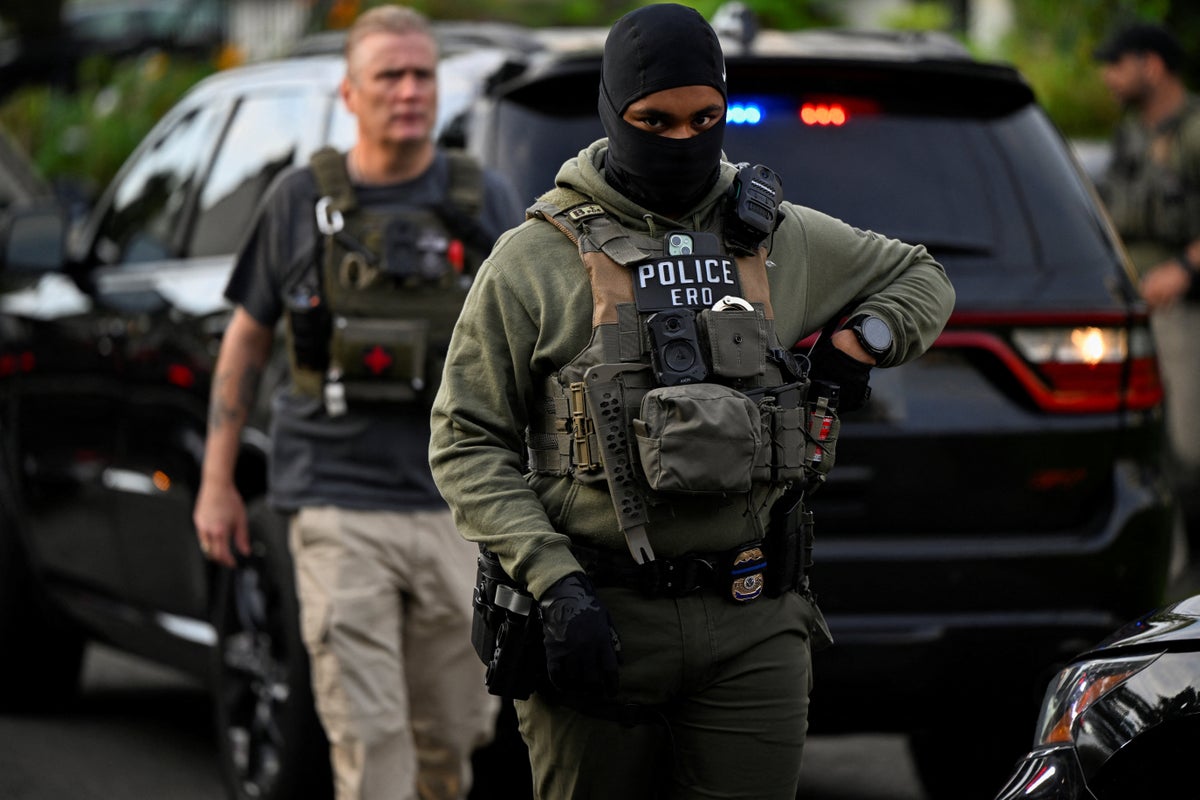
When Washington politicians start arguing over federal badge-holders, the truth usually gets buried under a mountain of partisan spin. Department of Homeland Security Secretary Markwayne Mullin recently stepped into the media crosshairs to defend Immigration and Customs Enforcement (ICE). His argument is pretty blunt. He claims that public outcry and bad press aren't coming from actual agency misconduct, but rather from a steady drumbeat of political fear-mongering pushed by Democrats.
You don't have to look hard to see why this debate is boiling over right now. With midterms closing in, immigration enforcement has turned into a brutal proxy war over national security, civil liberties, and political survival. Mullin insists that critics are manufacturing panic by misrepresenting standard law enforcement procedures as authoritarian overreach. But is public perception really just a product of clever political messaging, or are agency actions driving the backlash? Let's look at what's actually happening on the ground.
The Battle Over Polling Places and Public Perception
The friction intensified when Mullin addressed rumors that immigration officers might show up at polling places. Voting rights groups and Democratic lawmakers spent months warning that federal agents would be deployed to intimidate voters at ballot boxes. Mullin shot those claims down directly, stating that agents aren't there to patrol elections.
According to the DHS chief, officers only enter those spaces if they are responding to a verified threat or executing an active judicial warrant.
"The only reason why we would be at polling places is if there is a threat to that polling place or we're serving a warrant on someone that we have been actively tracking down," Mullin told reporters.
Yet, the clarification didn't stop the storm. Critics argue that even raising the possibility of federal immigration enforcement near voting sites creates an intimidating atmosphere. When you mix heavy-duty federal operations with sensitive civic events, trust evaporates fast. Mullin calls it fear-mongering; opponents call it a predictable reaction to aggressive enforcement strategies.
Training, Tactics, and Internal Pressure
You can't talk about ICE's public image without looking at how the agency prepares its personnel. Earlier this year, DHS faced intense congressional grilling over the length and depth of training programs for new deportation officers. Whistleblowers and internal critics claimed that a massive hiring push led to shortcuts, cutting core curriculum time down before leadership pushed it back up to standard 72-day requirements.
When officers hit the streets with compressed training windows, mistakes happen. Viral videos of rough arrests, community protests outside detention centers in states like New Jersey, and aggressive operations in urban centers provide endless ammunition for critics. Mullin's stance is that the media and political opponents spotlight these isolated incidents to paint the entire agency with a broad brush.
Accountability Versus Rhetoric
Blaming Democrats for public relations nightmares ignores the reality of viral documentation. Smartphones are everywhere. When an operation goes sideways, footage spreads across social platforms in seconds. Citizens don't need politicians to tell them how to feel when they see aggressive physical force or chaotic community raids on local news feeds.
At the same time, the administration has doubled down on prioritizing high-profile targets. DHS frequently highlights operations netting individuals with serious criminal records, drug trafficking charges, or violent assault convictions. From the perspective of leadership, the mission is straightforward public safety. If politicians choose to attack the broader framework of border enforcement to score points with their base, administration officials view it as a direct threat to public safety goals.
Ultimately, the clash between DHS leadership and congressional critics isn't going away anytime soon. Both sides are playing to their respective audiences, locking the debate into an endless cycle of accusation and defense. If you want to cut through the noise, look past the political posturing and watch how local precincts, federal directives, and community oversight actually intersect in your own backyard.
ICE arrests over 120 in Memphis nightclub raid
This video provides context on recent high-profile immigration enforcement operations and the rhetoric surrounding them from Department of Homeland Security leadership.

