Standard electoral mechanics dictate that the party controlling the executive branch faces severe structural headwinds during congressional midterms. Incumbent administrations historically suffer from voter fatigue, localized candidate autonomy, and a dispersed messaging apparatus that struggles to nationalize hyper-local legislative races. To invert this historical penalty, the Republican National Committee engineered an unprecedented political intervention in Dallas, Texas: a centralized, presidential-scale nominating-style convention held outside of a presidential election cycle. Deconstructing this maneuver reveals a high-risk operational gamble designed to override normal voter behavior models by forcing a presidential referendum dynamic onto congressional contests.
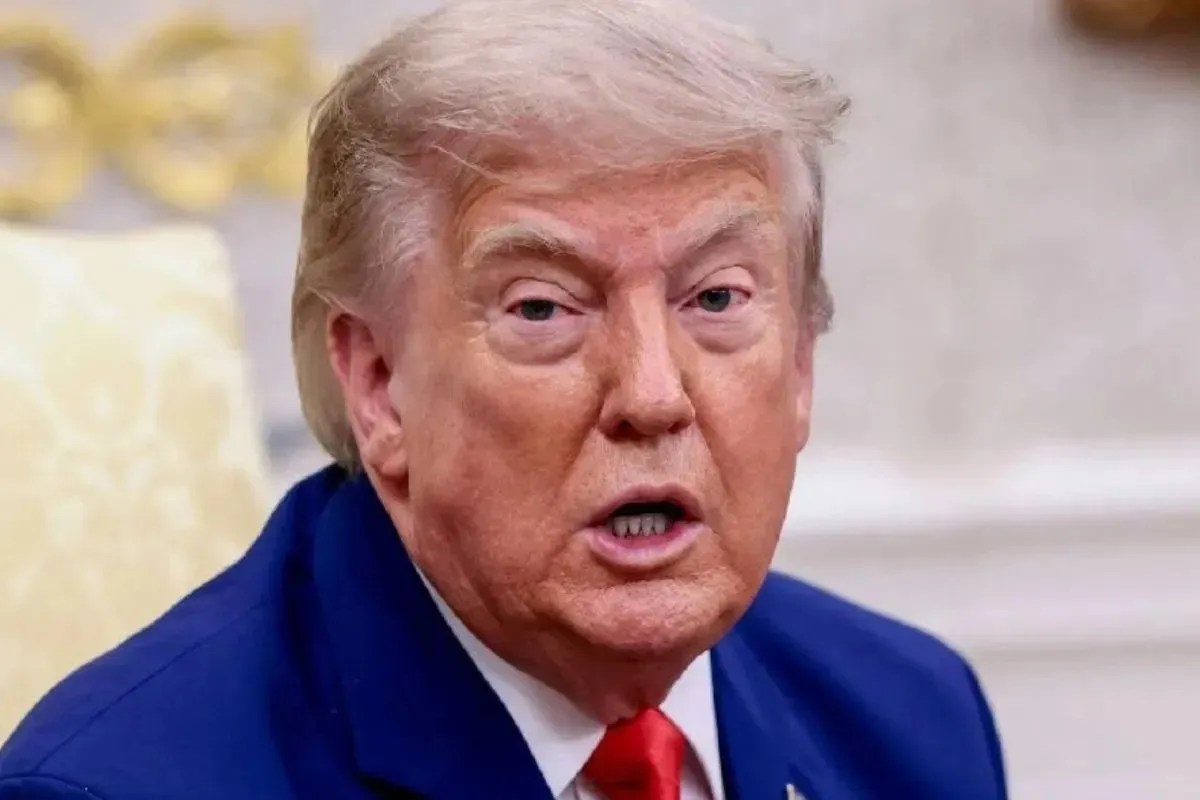
The architecture of the Dallas convention relies on a centralized mobilization model. Political apparatuses traditionally push candidates to localize their messaging to fit district-level demographics, economic anxieties, and regional priorities. The Dallas strategy reverses this vector by nationalizing the ballot through sheer personality concentration. By placing Donald Trump at the literal and figurative apex of a two-day television and arena spectacle, the party attempts to solve the persistent enthusiasm gap that plagues low-propensity MAGA cohorts when federal figures are absent from the local ballot.
Operating this strategy incurs a distinct cost function. The political utility of turning out high-propensity base voters through a centralized rally format is directly offset by the mobilization hazard imposed on the opposition. When an administration nationalizes a midterm election around its sitting executive, it strips vulnerable down-ballot candidates of insulation. Congressional nominees in competitive suburban districts often survive by separating their personal brand from national controversies, economic friction, or foreign policy strain. Tying a candidate directly to a centralized presidential referendum converts every local race into a referendum on executive approval.
The financial and logistical friction surrounding the event further exposes operational fault lines within the party structure. Requiring congressional incumbents and candidates to self-fund attendance packages scaling up to twenty-five thousand dollars created an immediate divide between secure ideologues and vulnerable practitioners. Vulnerable incumbents calculating marginal returns in competitive districts frequently opted out of the arena floor to protect local operational capital and maintain regional visibility. This divergence highlights a structural tension between central party management and decentralized electoral survival.
Evaluating the efficacy of the Dallas experiment requires tracking three distinct operational metrics over the remaining weeks before November. First, the absolute volume and velocity of early voting returns among low-propensity base voters in key battleground states will test whether arena-level pageantry translates into concrete ballot execution. Second, fundraising velocity for super PAC entities like MAGA Inc. must scale beyond isolated regional interventions to sustain down-ballot messaging. Third, the degree to which vulnerable congressional candidates can successfully decouple their district-level economic messaging from broader national headwinds will determine the net survival rate of the legislative majority.
Campaign strategists operating under severe structural disadvantages must deploy asymmetric mobilization tools rather than relying on passive historical trends. When standard local playbooks fail to close an enthusiasm deficit, centralized events act as blunt force instruments designed to shock the electorate into participation. The strategic imperative for down-ballot candidates moving forward is to harvest the baseline energy generated by national spectacles while simultaneously localizing economic arguments to insulate against broad executive liabilities.