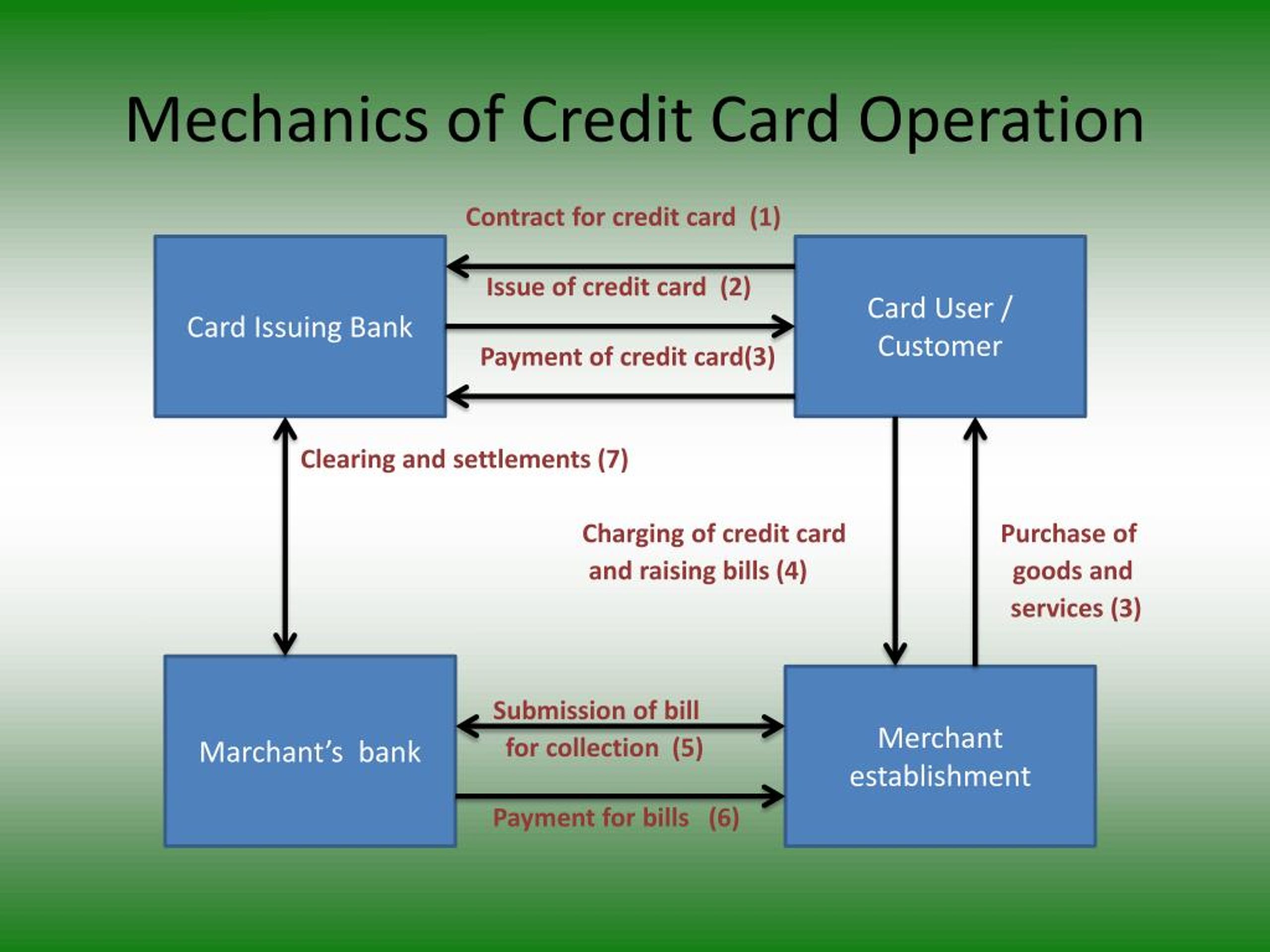
Relying on federal intervention or speculative legislative caps to alleviate credit card debt is a strategic failure in personal liquidity management. The current spread between the Federal Funds Rate and the average Credit Card Annual Percentage Rate (APR) has reached historic widths, meaning even a 50-basis-point cut by the Federal Reserve will have a negligible impact on a 24.99% variable interest rate. True debt optimization requires an immediate transition from passive observation to active interest rate arbitrage.
The Anatomy of the APR Spread
Credit card interest is not a monolithic number; it is a composite of the Prime Rate and a Risk-Based Margin. The Prime Rate typically sits 3% above the federal funds rate. When the Fed moves, the Prime Rate moves in lockstep. However, the Risk-Based Margin is a proprietary calculation used by lenders to account for your specific probability of default and their internal cost of capital.
While political discourse may suggest a 10% cap on interest rates, such a transition would trigger a massive contraction in credit availability. Banks would respond to a forced rate ceiling by tightening lending standards so aggressively that only the top 5% of "Super-Prime" borrowers could access revolving credit. Waiting for this external shift ignores the internal mechanics of how interest is currently compounding on your balance.
The Velocity of Compound Interest
Most cardholders perceive interest as a monthly fee. In reality, credit cards utilize Daily Periodic Rates (DPR).
$$DPR = \frac{APR}{365}$$
Every day that a balance remains, the interest is calculated against the Average Daily Balance (ADB). This creates a compounding effect where you pay interest on previous interest within the same billing cycle. The math dictates that the timing of your payment is as critical as the amount. Paying $1,000 on the 5th of the month reduces the ADB significantly more than paying the same $1,000 on the 25th, even if both payments occur before the "due date."
The Three Pillars of Immediate Rate Reduction
To bypass the slow-moving gears of the central bank, a borrower must execute a three-pronged strategy focused on leverage, structural transfer, and profile optimization.
1. The Retention Leverage Play
Issuers have a "Customer Acquisition Cost" (CAC) that often ranges from $200 to $500 per new account. This gives the consumer leverage. Contacting a retention department—not the general customer service line—to request a "hardship" or "promotional" APR reduction is a valid tactical move. If you have a history of on-time payments, the issuer may lower your rate by 500-1000 basis points for a 6-to-12-month period simply to avoid losing the account to a competitor.
2. The Zero-Sum Transfer Strategy
Balance transfer credit cards remain the most effective tool for stopping the interest clock. These vehicles offer 0% APR for 12 to 21 months. However, the "Transfer Fee" (typically 3% to 5%) acts as an upfront interest payment.
To determine if a transfer is mathematically sound, calculate the Breakeven Point:
- If your current interest is $200/month and the transfer fee is $300, you break even in 1.5 months.
- If the promotional period is 18 months, you gain 16.5 months of pure principal reduction.
3. Strategic Consolidation via Fixed-Term Instruments
Personal loans offer a fixed interest rate and a fixed term, usually between 6% and 15% for qualified borrowers. Unlike credit cards, which are "Open-End" credit, personal loans are "Closed-End." Moving debt from a 29% variable card to a 12% fixed loan does two things:
- It eliminates the risk of future Fed-induced rate hikes.
- It changes the credit utilization ratio, often boosting the credit score immediately because FICO models view installment debt more favorably than revolving debt.
Structural Obstacles to Debt Optimization
The primary bottleneck in rate reduction is the Credit Utilization Ratio. This is the percentage of your total available credit that you are currently using. If your utilization exceeds 30%, your credit score drops, which in turn prevents you from qualifying for the very 0% balance transfer cards or low-interest personal loans you need.
This creates a "Liquidity Trap": you need lower rates because you have high debt, but you can’t get lower rates because that debt has lowered your score. To break this cycle, you must employ "Micro-Payments." By making small payments throughout the month rather than one lump sum, you lower the balance reported to credit bureaus, which typically happens once a month on your statement closing date.
The Risk of the "Soft Landing" Narrative
Current market sentiment assumes a "soft landing" where inflation cools and rates drop gently. If, however, the economy enters a stagflationary period—high inflation and low growth—the Fed may be forced to keep rates high or even raise them. Borrowers who "wait for the Fed" are gambling on a macroeconomic outcome they cannot control.
A high-authority approach requires acknowledging the Balance Transfer Trap. Many users transfer a balance to a 0% card and then continue to spend on the old card. This results in "Double Debt." The strategy only works if the original line of credit is sequestered—kept open to maintain the average age of accounts (which helps the credit score) but physically inaccessible for new transactions.
The Execution Roadmap
- Audit the DPR: Identify which of your cards has the highest Daily Periodic Rate. Focus all excess capital here while maintaining minimums on others.
- Execute the Internal Pivot: Call current issuers and ask for a lower rate based on your "Loyalty Score" or current market offers.
- The 0% Arbitrage: Apply for a balance transfer card only when your score is at its peak (post-reporting of your monthly payments).
- The Installment Bridge: If credit card options are exhausted, use a fixed-rate personal loan to "term out" the revolving debt.
The window for these maneuvers is currently open, but it is sensitive to shifts in bank liquidity and tightening credit spreads.
Stop monitoring the Federal Reserve's meeting schedule. The Fed's objective is to manage the national economy, not your household's interest expense. Your objective is to move debt from high-cost, variable-rate silos into low-cost, fixed-rate or zero-interest structures immediately. Any day spent waiting for a 0.25% cut from the central bank is a day where 25% APR continues to erode your net worth.
Shift your focus to the "Spread" you can control: the difference between your current APR and the 0% or 10% rates available through active restructuring.


