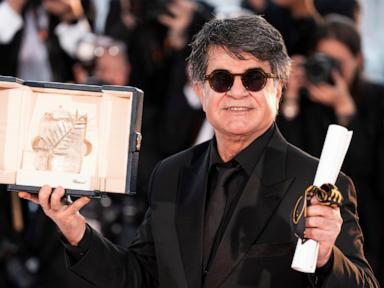
Neon’s capture of six consecutive Palmes d’Or creates a statistical anomaly that transcends traditional film distribution luck. To maintain a 100% win rate at the world's most rigorous film festival since 2019—spanning Parasite, Titane, Triangle of Sadness, Anatomy of a Fall, and Anora—requires more than a "keen eye." It demands a specific operational architecture designed to exploit the arbitrage between international prestige value and domestic commercial viability. The Neon model functions as a high-conviction hedge fund for cinema, where the asset class is "prestige capital" and the exit strategy is a multi-year monetization cycle anchored by Academy Award recognition.
The Acquisition Arbitrage Framework
Neon operates on a lean overhead structure compared to legacy studios or tech-backed behemoths like Apple and Netflix. This agility allows them to execute a "Strike Price" strategy during the pre-festival and mid-festival acquisition windows. While competitors often wait for critical consensus to solidify—thereby driving up the price in a bidding war—Neon utilizes a predictive model based on three specific variables.
- Auteur Equity: They target directors with a proven "Festival DNA" (Bong Joon-ho, Ruben Östlund) whose work possesses a high floor for critical reception regardless of specific plot mechanics.
- Narrative Translatability: Neon prioritizes "High-Concept Prestige." Parasite (class warfare), Triangle of Sadness (wealth inequality), and Anatomy of a Fall (legal/marital deconstruction) all center on universal socio-economic frictions that resonate with a global jury, regardless of the film's original language.
- The "Shock" Multiplier: The selection of Titane highlights a willingness to acquire polarizing assets that command the news cycle. Negative reviews are often treated as "engagement fuel" rather than deterrents, provided the technical craftsmanship remains indisputable.
This framework allows Neon to secure North American rights for figures that are often lower than the marketing spend required to launch them. By the time a film wins the Palme d’Or, the valuation of the asset has already quintupled, effectively de-risking the entire theatrical campaign before it begins.
The Infrastructure of the "Cannes Effect"
The Palme d'Or serves as a global branding engine that Neon has industrialized. Most distributors view a festival win as a marketing "hook." Neon treats it as the core product specification. The "Cannes Effect" functions through a specific causality chain:
- Validation Phase: The win provides an immediate, unassailable stamp of quality that bypasses the need for traditional star-driven marketing. In an era where "movie stars" exert less pull on the box office, the "Palme d'Or winner" label acts as the primary driver for the affluent, urban demographic.
- The Critical Echo Chamber: Neon’s PR machinery ensures that the festival momentum is sustained through a 12-month cycle. They do not release these films immediately. They curate a slow-burn "prestige tail" that culminates in the Oscars. Anatomy of a Fall followed this blueprint precisely, using the Cannes win to dominate the conversation for nearly a full year, converting critical acclaim into five Academy Award nominations.
- The Supply Chain Advantage: Because Neon has won six times in a row, they have become the "preferred partner" for international sales agents. Producers of high-level art-house cinema are often willing to take a lower upfront guarantee from Neon because the "Neon Bump"—the likelihood of an Oscar campaign and sustained cultural relevance—increases the long-term backend value of the film's library.
Quantifying Risk in the Prestige Market
The primary threat to the Neon streak is not a lack of quality, but the "Conglomerate Entry" into the art-house space. When streamers like Searchlight (Disney) or A24 (backed by heavy private equity) decide to overpay for a title, Neon’s capital constraints become a bottleneck.
To counter this, Neon relies on Relational Moats. By establishing deep ties with European and Asian production houses early in the development cycle, they often bypass the open market entirely. This is a move toward vertical integration—not by owning the means of production, but by securing "first-look" psychological dominance over the creators.
The cost function of a Neon release is heavily weighted toward the Awards Season (Phase 2) rather than the Acquisition Phase (Phase 1). This is a reversal of the traditional Hollywood blockbuster model, where the "Production Budget" is the largest capital outlay. For Neon, the "Campaign Budget" is where the true battle for ROI is fought. If a film fails to transition from a Cannes win to an Oscar nomination, the financial model faces a severe squeeze, as the theatrical ceiling for non-Oscar art-house films remains historically low post-2020.
The Structural Fragility of the Streak
Maintaining a six-year win streak is statistically improbable, suggesting that Neon is not just picking winners, but perhaps also influencing the "vibe shift" of the festival itself. However, two structural vulnerabilities exist:
- The "Hedgehog" Risk: Neon is highly specialized. If the cultural appetite shifts away from cynical, high-concept social satires—the core of the Östlund/Triet/Baker wins—Neon’s scouting filters may become obsolete.
- The A24 Paradox: As Neon grows, it risks losing the "scrappy underdog" status that allows it to take massive swings on transgressive cinema like Titane. Success breeds a need for stability, which is the antithesis of the "unlikely heavyweight" persona they currently project.
Strategic Forecast: The Pivot to Intellectual Property
To sustain its dominance, Neon must evolve from a "Curator" to a "Creator." We are already seeing the early stages of this with their move into production. Relying solely on the Cannes jury—a group of nine unpredictable individuals—is an unstable long-term business strategy.
The next logical move is the De-risking of the Slate through a "Barbell Strategy":
- High Risk/High Reward: Continue the aggressive pursuit of the Palme d'Or to maintain brand prestige.
- Moderate Risk/Steady Yield: Develop in-house genre films (like Longlegs) that utilize the "Neon Brand" to attract a younger, broader audience that may not care about Cannes but respects the "Neon Aesthetic."
By diversifying the revenue stream away from the "Palme d'Or or Bust" model, Neon can afford to lose the streak without losing the company. The current "unlikely heavyweight" status is a temporary market position. The goal for 2026 and beyond must be the institutionalization of the Neon brand as a standalone seal of quality, independent of any single festival jury's validation.
The acquisition of Sean Baker’s Anora confirms that Neon is doubling down on its "Auteur Equity" model. The strategy for the upcoming cycle is clear: leverage the 2024 win to secure early-look deals for 2027, effectively "locking" the talent pipeline before the bidding starts on the Croisette. The objective is no longer to compete for films at Cannes, but to ensure that the films most likely to win are already in the Neon portfolio before the first screening begins.