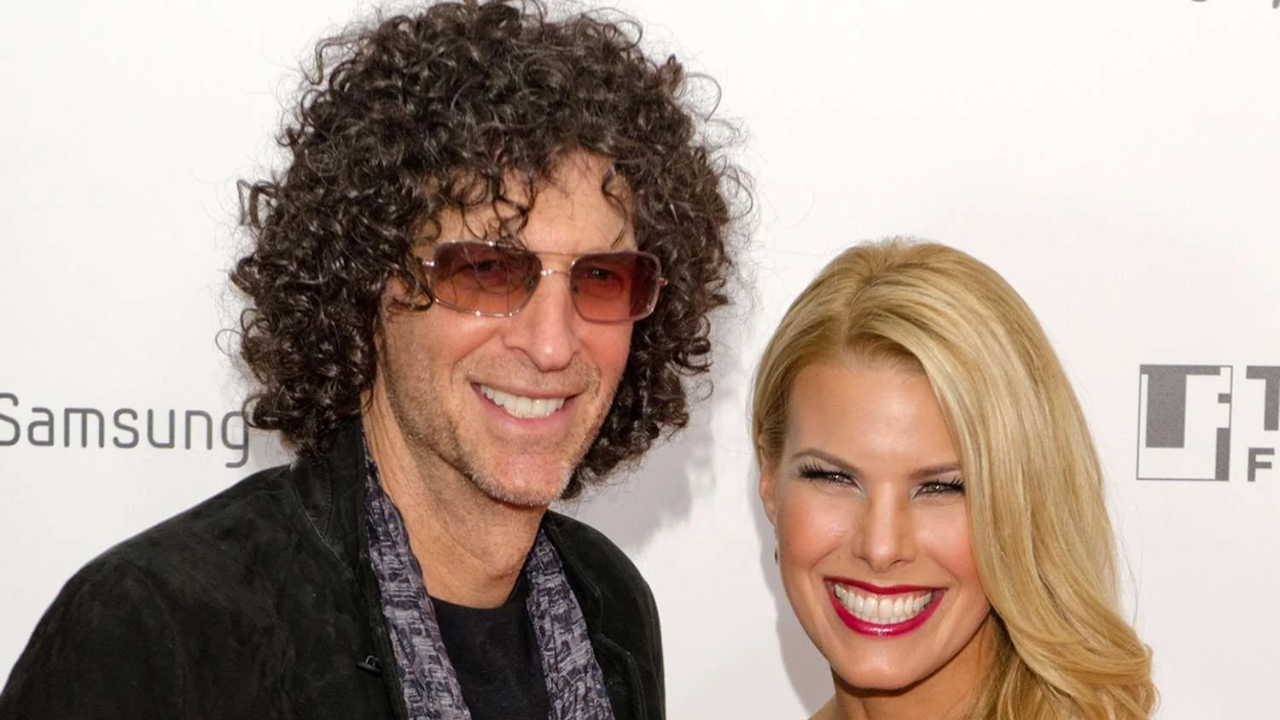
A recursive apology—apologizing for a previous apology—signals a catastrophic breakdown in crisis communications governance, shifting public scrutiny from a single lapses in judgment to a systemic failure of brand empathy. When Martha Stewart issued a secondary apology for her initial contrition regarding a Halloween costume depicting an unhoused person, she inadvertently demonstrated how defensive PR tactics compound reputational damage rather than containing it.
Standard entertainment journalism frames such events as isolated celebrity blunders or fodder for fleeting outrage cycles. That framing misses the underlying operational reality. Modern celebrity personas operate as multi-million-dollar lifestyle conglomerates where perceived authenticity and social alignment directly dictate licensing value, retail partnerships, and consumer trust. Analyzing Stewart’s two-stage crisis reveals the exact mechanics of communication failure, the economic cost of tone-deafness in lifestyle branding, and the structural protocols required to arrest reputational decay before it reaches the balance sheet. For another view, see: this related article.
The Anatomy of a Two-Stage Crisis
To understand why the secondary apology became necessary, one must separate the initial transgression from the secondary communication error. In crisis management, the primary event creates a localized shock, while the response determines whether that shock dissipates or cascades into a structural brand threat.
Stage One The Transgression and Misaligned Humor
In the initial phase, Stewart wore a costume portraying an unhoused individual, attempting to deploy irony or shock humor. From a sociological perspective, this falls under "punching down"—using the marginalized status of a vulnerable population as a comedic prop. For an ultra-wealthy lifestyle mogul whose core value proposition is aspiration, domestic perfection, and elevated living, mocking extreme poverty creates an immediate, jarring cognitive dissonance. The audience is confronted with the stark wealth gap between the brand’s creator and the subject of her parody. Similar coverage on this matter has been shared by The New York Times.
Stage Two The Non-Apology Trap
The first apology failed because it violated the fundamental rules of crisis containment. Rather than offering an unconditional acknowledgment of harm, initial celebrity pushbacks routinely rely on conditional phrasing, appeals to intent ("it was meant as a joke"), or subtle deflection onto the audience's sensitivity.
When a public figure apologizes for how people reacted rather than what the figure did, the audience interprets the statement as gaslighting. This triggers a second wave of scrutiny. The public no longer debates the taste of the costume; they now interrogate the character, arrogance, and sincerity of the executive behind the brand.
Stage Three The Recursive Correction
Stewart’s subsequent admission—being sorry for the original apology itself—represents a forced capitulation. By the time a brand reaches stage three, the narrative has entirely escaped internal control. The secondary statement must accomplish two difficult tasks simultaneously: validate the public's critique of the first statement and re-establish baseline human empathy. While a recursive apology can halt the immediate bleeding by signaling genuine submission to public feedback, it permanently scars the brand's perceived judgment.
The Economics of Lifestyle Brand Equity
Celebrity-driven enterprises do not function like traditional corporations. In a standard consumer packaged goods (CPG) company, corporate missteps rarely alter a consumer’s perception of a detergent's cleaning power. In lifestyle branding, the founder is the product.
The Authenticity Multiplier
Stewart’s empire was built on meticulous curation and aspirational authority. Consumers buy into her ecosystem—ranging from cookware and bedding to media properties and cannabis-derived wellness products—because they trust her taste and worldview.
- Direct Attribution: Every public action by the founder directly modifies the perceived value of the licensed intellectual property.
- Retailer Risk Aversion: Big-box retail partners monitor consumer sentiment indices continuously. A sustained drop in net sentiment scores forces retail buyers to reconsider shelf-space allocation and promotional support.
- Demographic Friction: Legacy lifestyle brands rely heavily on cross-generational appeal. While Stewart successfully rehabilitated her image over the past decade by cultivating a younger, internet-savvy demographic through irreverent humor and unexpected collaborations, that specific audience maintains strict unwritten rules regarding social consciousness. Humor that crosses from irreverent into callous alienates the exact demographic driving modern brand relevance.
The Cost Function of Reputational Decay
Reputational damage in the celebrity sector operates on an asymmetric curve. Building brand equity through strategic partnerships, media appearances, and product launches requires years of consistent execution. Eroding that equity takes hours.
The true financial cost of a botched apology is rarely visible in immediate quarterly earnings. Instead, it manifests as opportunity cost:
- Silent cancellations of prospective brand partnerships during the diligence phase.
- Increased friction in negotiating licensing renewals.
- A heightened baseline of skepticism that reduces the organic reach and engagement of subsequent marketing campaigns.
Cognitive Biases in Executive Crisis Response
Why do seasoned media veterans with access to elite public relations counsel repeatedly commit unforced errors during crisis responses? The answer lies in structural insulation and predictable cognitive biases that distort decision-making at the top of celebrity hierarchies.
The Echo Chamber Effect
Ultra-high-net-worth individuals operate within tightly curated social and professional perimeters. Direct reports, agents, and publicists often suffer from proximity bias, prioritizing the preservation of their relationship with the principal over delivering harsh, objective truths. When an executive proposes a tone-deaf costume or drafts a defensive apology, internal friction is often too weak to stop the execution. Nobody in the room possesses the institutional leverage to say "no" without risking their standing.
Fundamental Attribution Error in Reverse
When evaluating their own actions, individuals naturally judge themselves by their internal intentions. Stewart likely viewed the costume through the lens of harmless Halloween theatricality. Conversely, the public judges public figures strictly by external impact. The gap between internal intent and external impact is where PR crises incubate. A defensive first apology occurs when the principal refuses to abandon their internal framing and insists that the public adopt their perspective.
Status Quo Bias and Legacy Playbooks
Many veteran public figures rely on crisis communication playbooks designed for the pre-social media era. In a traditional broadcast media environment, a terse, lawyer-approved statement could starve a story of oxygen until the next news cycle arrived. In an algorithmic media environment, a terse or defensive statement acts as fuel. Social platforms reward outrage and hypocrisy with exponential distribution, turning a minor local press item into a globally trending referendum on character.
Operational Protocol for Crisis Containment
When a brand principal commits a public infraction involving vulnerable populations or social insensitivity, the response must be engineered with clinical precision to avoid the recursive apology trap.
1. Immediate Moratorium on Defensive Framing
The first rule of modern crisis containment is the total elimination of intent-based explanations. Phrases such as "out of context," "meant in jest," or "if anyone was offended" must be excised from all drafts. The audience does not care about the principal's internal monologue; they require validation that the harm is understood.
2. Structural Anatomy of a First-Strike Apology
An effective initial response requires four distinct components delivered in rapid succession, ideally within four to six hours of the initial backlash:
- Unambiguous Ownership: State clearly what was done without passive voice or minimization.
- Impact Validation: Articulate why the action was wrong, demonstrating an actual understanding of the cultural or social context.
- Absence of Excuses: Omit any mention of fatigue, bad advice, or comedic intent.
- Forward-Looking Correction: State the immediate action being taken (e.g., removing the content, making an unpublicized or quietly documented contribution to a relevant cause, or stepping back from the promotional cycle).
3. Auditing the Inner Circle
If a brand reaches the point of issuing a recursive apology, the failure is systemic rather than incidental. Post-crisis recovery requires restructuring the approval pipeline. External crisis consultants—who lack financial dependence on the principal's ongoing goodwill—must be granted temporary veto power over public communications. Internal sycophancy must be replaced with adversarial review processes where proposed statements are stress-tested against the harshest possible public interpretation before publication.
4. Limitations of the Apology Mechanism
No communication strategy can fully insulate a brand from the consequences of misaligned behavior. Apologies are containment mechanisms, not erasure tools. In an era of permanent digital archives, a recursive apology remains permanently indexed alongside the founder's name. Furthermore, over-apologizing carries its own diminishing returns; if a principal establishes a pattern of transgression followed by contrition, the public eventually discounts the apologies entirely, categorizing the brand as fundamentally insincere.
The Strategic Imperative for Legacy Brands
The trajectory of Martha Stewart’s Halloween controversy illustrates a permanent shift in how public figures must manage reputational risk. The modern consumer does not separate the corporate entity from the individual founder, nor do they grant legacy icons immunity from contemporary social standards.
For executives, talent managers, and brand strategists, the operational takeaway is unambiguous: eliminate the multi-stage apology cycle by absorbing the maximum reputational hit upfront. A single, unvarnished, comprehensive admission of fault—delivered before the narrative calcifies—is vastly cheaper in both brand equity and executive bandwidth than a drawn-out campaign of defensive backtracking. Brands that fail to install independent, friction-heavy review gates around their principals' public personas will continue to pay the compounding tax of recursive crisis management.