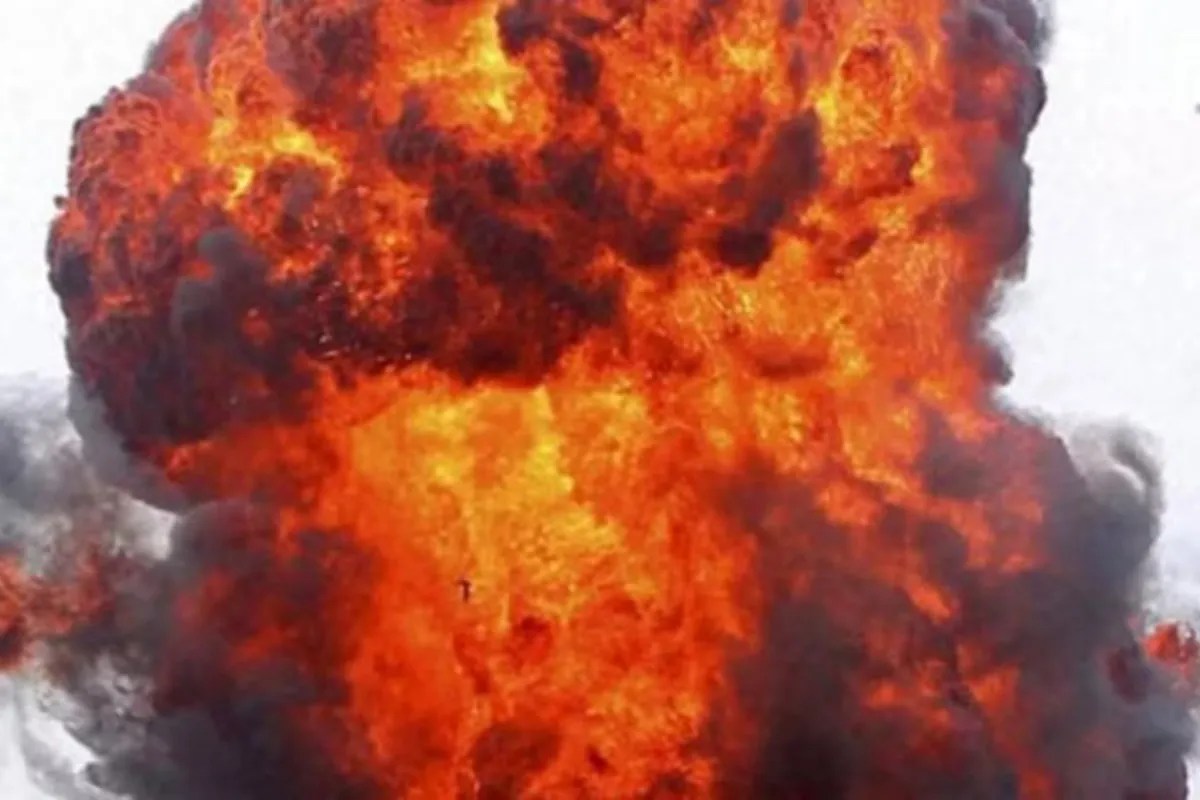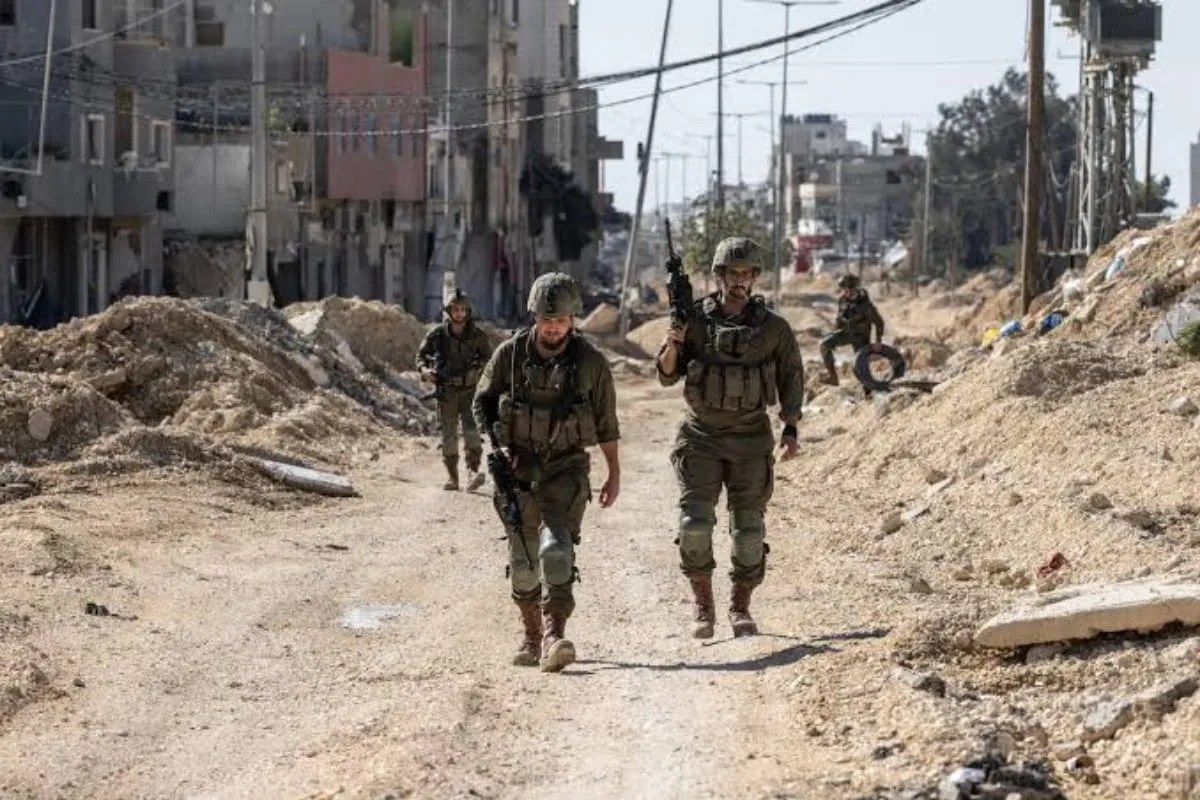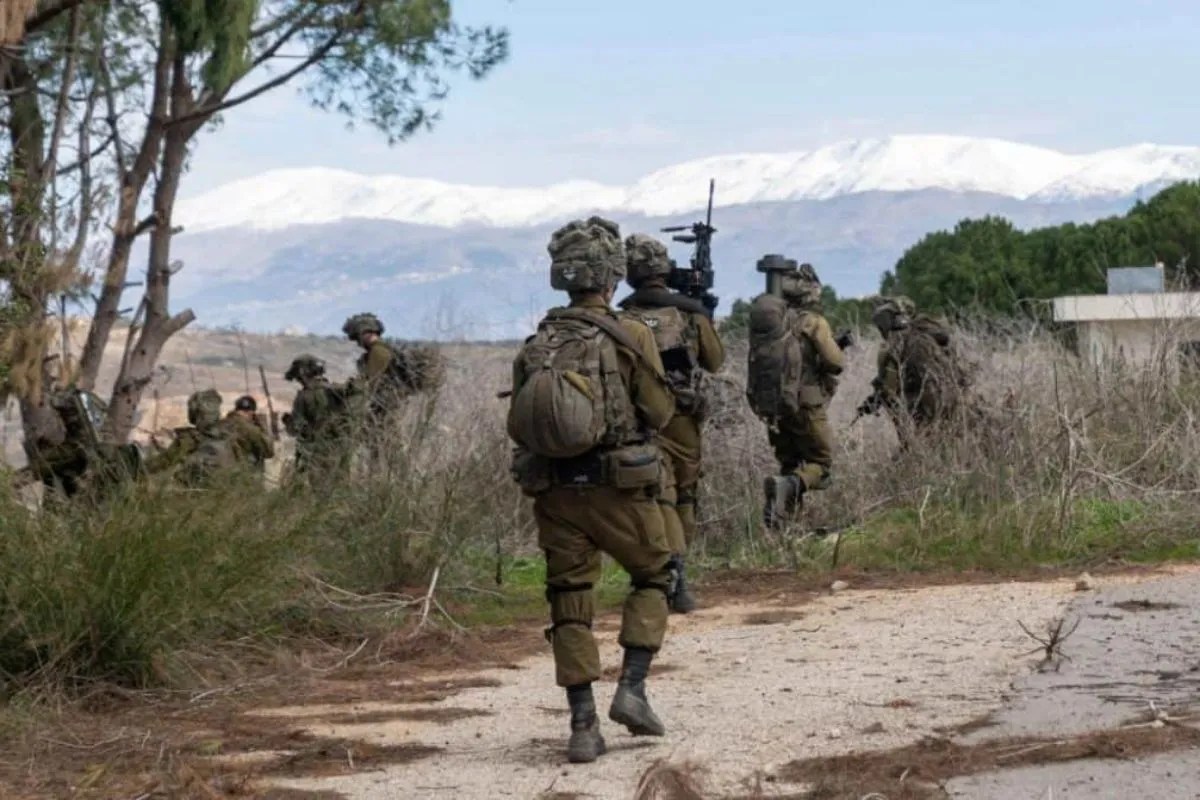
Headlines flash across screens every single day about rising tensions, explosions, and troop movements in the Middle East. When reports drop about the Israeli military striking Hezbollah infrastructure after explosive devices injure soldiers, most people just skim the surface and move on. They see a generic conflict update and forget about it five minutes later.
If you want to understand what's actually happening on the ground right now, you have to look past the breaking news alerts. The friction along the northern border isn't just a series of random skirmishes. It's a calculated escalation where every single explosion triggers a heavy response.
The Reality Behind Border Crossings and Controlled Zones
People often assume military operations happen in a vacuum. They don't. When a patrol takes a direct hit from an explosive device, the military response isn't a knee-jerk reaction. It's pre-planned, heavily coordinated, and executed with precise intelligence gathered over months.
I've watched how defense analysts break down these incidents. When troops get wounded during routine operations or reconnaissance near the border fence, the tactical calculus changes instantly. The rules of engagement shift from passive monitoring to active dismantling.
The Israel Defense Forces (IDF) didn't just wake up and decide to level buildings. They targeted specific underground tunnels, observation posts, and storage facilities used by Hezbollah. These sites are hidden in plain sight, often tucked away in civilian villages or rugged terrain close to the Blue Line.
Why This Escalation Feels Different
We've seen cross-border fire for decades. Rockets fly, artillery fires back, and things quiet down until the next cycle. But the current dynamic carries a much heavier weight.
- Direct Troop Casualties: When soldiers are physically hurt by roadside devices or specialized explosives, the political and military cost goes up immediately. Command structures face intense pressure to show strength and secure the perimeter.
- Infrastructure Targeting: Instead of just hitting launch sites after a rocket leaves the rail, operations now focus on pre-emptive and retaliatory dismantling of permanent military infrastructure.
You can't look at these events without factoring in the regional chess game. Hezbollah maintains a massive arsenal, funded and supplied heavily from the outside. Every bunker destroyed forces them to push their logistics further north, but it also increases the risk of a miscalculation that could blow the entire region wide open.
The Information War and What's Left Unsaid
If you read statements from military spokespersons and contrast them with local reporting on the ground, you'll spot massive gaps. Governments want to project control and minimize panic. Meanwhile, local residents near the border deal with sirens, shattered windows, and the constant hum of surveillance drones overhead.
Don't buy into the narrative that this is just routine posturing. When troops are medevac-ed out due to explosive blasts, the threshold for a broader operation drops significantly. The tactical response involves airstrikes, artillery barrages, and ground-clearing actions designed to push opposing forces back from the frontier.
Keep your eyes on the supply lines and the rhetoric coming out of Beirut and Tel Aviv. The next phase won't start with an announcement. It will start with silence, followed by a massive shift in force deployment.