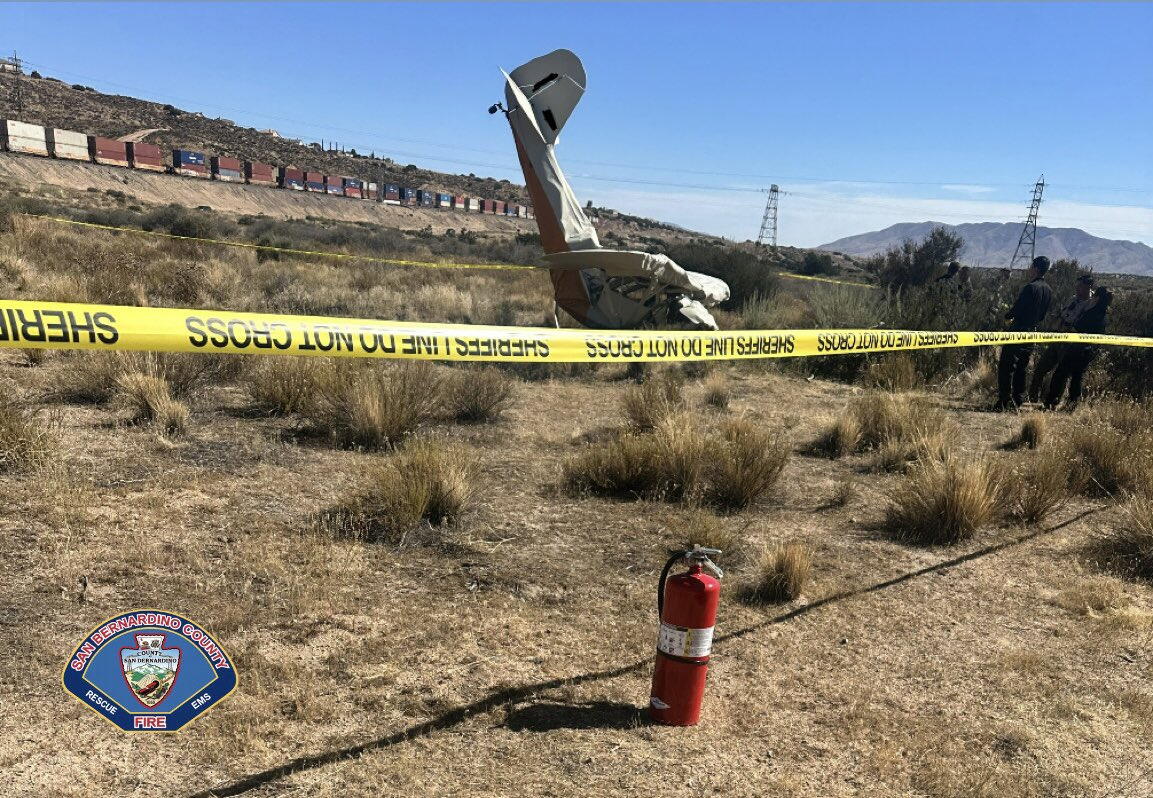
The headlines rolled in with predictable, synchronized outrage. Anti-migrant activist Danny Tommo arrested, charged with criminal damage, accused of slashing a migrant boat. The mainstream press painted a simple, neat picture for the masses: a radical agitator committing petty, destructive vandalism driven by pure malice. It satisfies the narrative. It gives the comment sections their daily hit of righteous fury.
It is also an intellectual lazy-man’s summary that completely misses the structural reality of what is actually happening at our borders. Discover more on a connected subject: this related article.
I have spent years watching the slow-motion collision between domestic law enforcement, border sovereignty, and activist theatrics. When a prominent figure like Tommo engages in direct action—whatever you think of his politics—reducing it to a simple vandalism charge is a deliberate misdirection by observers who refuse to look at the machinery underneath.
Let us look at what the reporting ignores. Further reporting by Associated Press explores similar views on the subject.
First, let us define the legal theater. Criminal damage is a property charge. It treats a rubber dinghy or a maritime vessel as a consumer good vandalized in a vacuum, completely stripping away the legal limbo, jurisdictional nightmares, and administrative gridlock that surround the Channel crossings. The state loves property charges because they keep the conversation focused on broken plastic rather than broken systems. If you focus the public's attention on a slashed hull, you do not have to talk about why thousands of unverified arrivals are bypassing every legal port of entry with near-total impunity.
The lazy consensus is that Tommo’s alleged act was an isolated outburst of thuggery. But direct action—legal or illegal, moral or abhorrent—does not happen in a vacuum. It is a symptom of total institutional failure. When citizens feel that the legal mechanisms of the state have ground to a halt, when borders feel like theoretical constructs rather than physical boundaries, desperation breeds escalation.
Think of it this way. Imagine a neighborhood where local authorities completely abandon property laws, leaving front doors unlocked and wide open indefinitely. Eventually, vigilantes or frustrated locals do something rash to make a point, forcing authorities to arrest the local actor while ignoring the systemic rot that led them there. That is the exact dynamic at play here. The state prosecutes the symptom while protecting the disease.
The press wants you to debate the morality of Tommo. They want you to take sides in a culture war mudfight. That is the trap. The real story is not about Danny Tommo. The real story is a legal framework that has lost its monopoly on enforcement, leaving a vacuum where aggrieved citizens and activists take the law into their own hands because they believe nobody else is steering the ship.
You do not have to endorse an activist's methods to recognize that the prosecution of individuals for symbolic property destruction is a convenient smokescreen. It allows governments to look decisive against domestic agitators while remaining utterly powerless against the macro-crisis forcing these flashpoints into existence.
Every time a headline focuses on a slashed boat, a broken window, or a courtroom scuffle, the public is being distracted from the bigger picture. The entire migration debate has been reduced to a reality TV show of arrests and counter-protests, designed entirely to keep you angry, divided, and focused on the actors instead of the architecture.
Stop arguing about the character of the activists. Start looking at the structural collapse that made their stunts possible in the first place.
If the state wants to stop the vandalism, it needs to stop ignoring the vacuum that invited it. Until then, arresting Tommo is just rearranging deck chairs on a sinking vessel.