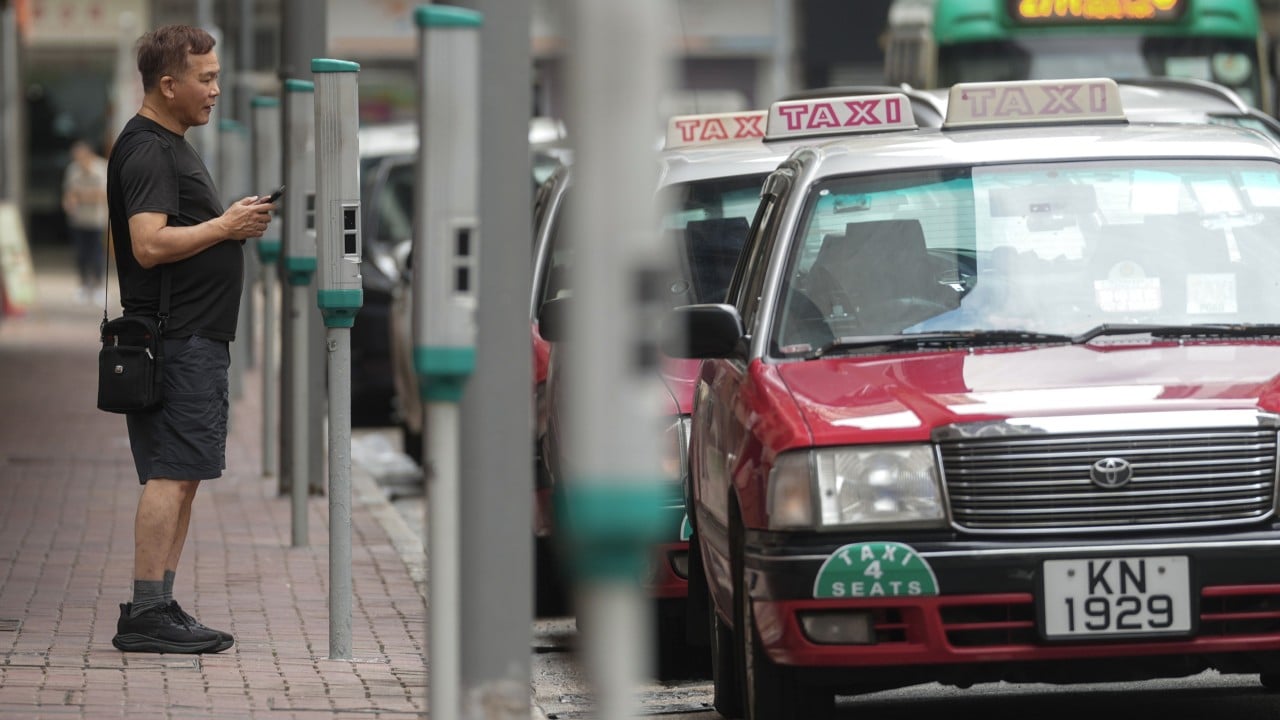
Public transit contracts are worth millions, yet operators rarely face real consequences when their billing hardware breaks down. Think about that. If you skip a fare on a bus or train, you get hit with a fine on the spot. When an operator's meter glitch overcharges commuters or drops payment tracking for days, they usually walk away with a slap on the wrist and zero impact on their next contract bid.
That double standard needs to end. Industry analysts and procurement specialists argue that tender marks—the evaluation scores used to award future public transport contracts—must directly penalize operators for unresolved meter glitches. Right now, procurement boards heavily favor lowest-cost bids and theoretical service promises while glossing over past technical failures. If an operator can't keep its basic fare-collection meters running accurately, it shouldn't get a clean slate when the next tender opens.
How Public Transit Tender Marks Actually Work
Most commuters never look under the hood of public procurement, and honestly, it's easy to see why. The paperwork is dense. Still, the scoring system dictates who runs your trains, buses, or ferries for the next five to ten years.
When a government agency or municipal authority puts a transit route up for tender, bidders submit proposals graded on a weighted point scale. Typically, price makes up 40% to 60% of the score. The remaining tender marks go toward fleet quality, environmental standards, staffing plans, and past performance.
Here is the catch. "Past performance" in many procurement frameworks measures narrow operational metrics like on-time departures and canceled trips. Fare-collection reliability—specifically the accuracy and uptime of ticketing meters, card validators, and billing terminals—often sits in a blind spot. Unless a system failure literally stops a vehicle from leaving the depot, it barely registers in the scoring rubric for future bids.
The Real Cost of a Meter Glitch
A meter glitch isn't a minor technical hiccup. It hits riders in the wallet and erodes public trust in the entire transit network.
Consider what happens when a validator or fare meter malfunctions during peak hours. Commuters tap their cards, assume the transaction went through, and later discover they've been charged maximum default fares because the exit reader failed to log their tap-off. In other cases, defective meters double-charge riders or reject valid transit passes, forcing passengers to buy duplicate single-ride tickets out of pocket.
Getting that money back is rarely easy. Most riders don't have the time to file formal dispute forms, track down transaction IDs, and wait weeks for a five-dollar refund. Operators quietly pocket millions in uncollected overcharges across large networks simply because the friction of claiming a refund outweighs the individual loss.
- Financial erosion for daily riders: Small overcharges compound quickly for low-income commuters who rely on transit twice a day.
- Unfair inspection penalties: When a broken meter fails to register a valid tap, fare inspectors often treat the passenger like a fare evader, issuing fines that take months to contest.
- Distorted ridership data: Transit planners rely on meter logs to allocate buses and trains. Glitched hardware creates phantom blind spots, leading to overcrowded routes and wasted capacity elsewhere.
Why Current Penalties Fail to Deter Operators
You might wonder why existing service-level agreements don't already fix this. Most contracts include financial penalties—known as liquidated damages—for equipment downtime. On paper, that sounds tough. In practice, operators treat those fines as a predictable cost of doing business.
A major transit contractor bidding on a $200 million multi-year contract won't lose sleep over a $15,000 administrative fine for faulty fare boxes. The math simply doesn't motivate them to overhaul aging hardware or invest in round-the-clock diagnostic teams. Replacing an entire fleet's metering terminals eats directly into quarterly profit margins, whereas paying an occasional fine keeps capital expenses low.
Worse yet, procurement rules in many jurisdictions prohibit evaluation committees from penalizing a bidder for past issues unless those issues resulted in a formal contract termination. Because governments rarely cancel transit contracts mid-term—doing so creates massive disruption for commuters—operators know their historical meter glitch track record won't follow them into the next bidding cycle.
What Experts Want Changed in Future Tenders
Procurement reformers and transport economists have pointed out a straightforward fix. Instead of relying solely on mid-contract fines, authorities should build hard deductions directly into the tender marks system.
Under a revised evaluation model, an operator's verified hardware reliability over the previous contract cycle would carry a dedicated point allocation. Every documented meter glitch exceeding an agreed threshold—say, more than 0.5% terminal downtime in a given month or unresolved overcharging incidents—would trigger automatic point deductions on future bids.
In competitive transit tenders, contracts are frequently won or lost by margins of two or three percentage points. Losing five tender marks over chronic fare-meter failures would immediately put a negligent incumbent behind a more reliable competitor, even if the incumbent submits a slightly cheaper price.
Key Metrics Procurement Boards Should Track
To make point deductions fair and legally defensible against bidder appeals, tender authorities need objective, auditable standards rather than vague complaints.
- Terminal Uptime Rate: The percentage of hours that all fare meters and validators across a fleet are online and processing transactions without error codes.
- Overcharge Resolution Speed: How quickly an operator identifies a billing glitch and automatically refunds affected accounts without forcing riders to submit manual claims.
- Inspection Dispute Ratio: The number of fare-evasion fines overturned due to proven hardware or meter malfunctions on the operator's vehicles.
- Software Patch Turnaround: The time elapsed between a known firmware bug being reported and a fix being deployed across active vehicles.
The Counterargument From Transit Operators
Operators push back hard against tying tender marks to metering hardware, and their concerns aren't completely baseless. In many cities, the transit operator doesn't actually own or manufacture the fare-collection system. A separate technology vendor supplies the meters, back-end clearinghouse, and card readers under a different municipal contract.
Operators argue it is unfair to dock their tender scores when a third-party vendor pushes a bad software update or fails to supply replacement parts. They also point out that older buses and harsh operating conditions—constant vibration, extreme temperatures, power surges—take a heavy toll on sensitive electronic readers.
That argument only goes so far, though. Even when a third-party vendor builds the hardware, the operator manages daily maintenance, driver reporting, and passenger communication. When a bus leaves the garage with a known dead meter and no signage warning riders, that's an operational failure, not a vendor defect. Procurement rules can easily separate third-party network outages from operator-controlled maintenance lapses.
How Cities Can Implement This Without Legal Challenges
Changing procurement criteria mid-stream invites lawsuits from losing bidders, so transit authorities have to bake these rules into tender documents well before requests for proposals go live.
First, agencies must publish clear baseline reliability targets alongside the scoring rubric. Every bidder sees the exact formula upfront. If an operator knows that an unresolved meter glitch costs half a point per incident, they can price proper maintenance into their bid from day one.
Second, cities should mandate automated refund protocols inside the contract terms. Modern account-based ticketing systems make it trivial to identify every card tapped on a malfunctioning reader during a specific window. Operators shouldn't get credit for fixing a meter if they keep the excess money collected while it was broken.
Third, independent audits must replace self-reported operator logs. Letting transit companies grade their own hardware uptime creates an obvious conflict of interest. Automated telemetry feeding directly to the transit authority gives evaluators clean, tamper-proof data when calculating tender marks.
What Commuters and Watchdogs Should Push For
Public pressure plays a bigger role in transit procurement than most people realize. Municipal transport boards hold public comment sessions before approving new tender frameworks, and local transport watchdogs routinely review draft scoring criteria.
If you ride public transit regularly, start documenting every meter glitch you encounter—take a quick photo of error screens, note the vehicle number and route, and file an official complaint rather than eating a two-dollar overcharge. Those formal complaints create the paper trail that auditors and procurement boards rely on when reviewing an operator's performance history. Without documented incident logs, evaluation committees have no legal grounds to dock tender marks, and negligent operators keep winning contracts by default.


