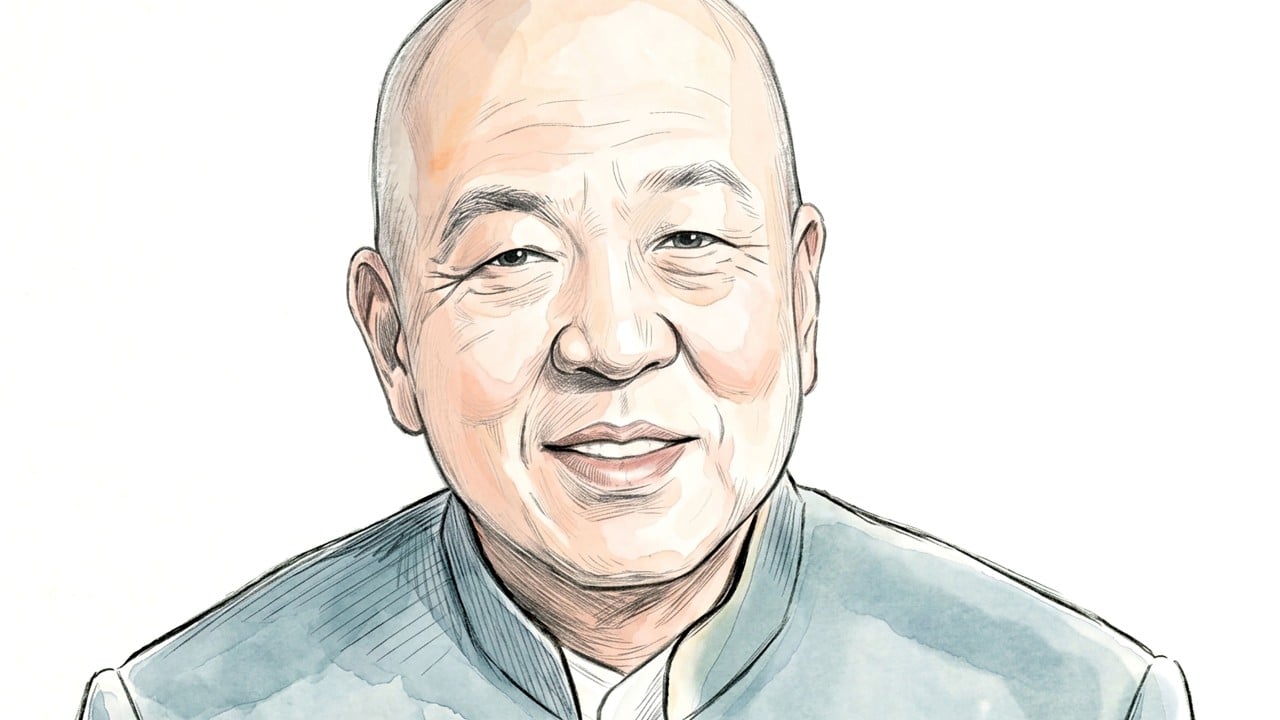
Public markets can feel like a trap. If you run a company focused on long-term technological upgrades, Wall Street's obsession with the next ninety days creates friction. Quarterly earnings calls breed short-term thinking. That reality explains why massive fortunes are quietly retreating behind closed doors.
When Michael Dell’s investment vehicle, DFO Management, teamed up with Sequence Holdings to orchestrate a multi-billion-dollar buyout of The Baldwin Insurance Group, it signaled a broader transformation in modern finance. This isn't just another wealthy investor parking cash in a safe asset. It's a calculated move to strip away public reporting handcuffs and rebuild a major enterprise out of the public eye.
Family offices now possess capital reserves that rival traditional private equity titans. They move faster, tolerate longer horizons, and refuse to play the quarterly guidance game. Understanding this transaction requires looking past the headline valuation numbers and examining why insurance distribution has become the new playground for ultra-wealthy investors.
The Shift From Public Markets to Private Control
Public exchanges used to be the ultimate destination for growing companies. Today, many founders and executives view them as expensive distractions. Compliance costs have surged. Shareholder activism creates constant friction. Regulatory scrutiny drains internal resources that could otherwise fund product development or technological overhaul.
For a firm like Baldwin Insurance, operating as a publicly traded entity meant managing public float, analyst expectations, and volatile share prices. When DFO Management and Sequence Holdings stepped in with a transaction valued at roughly $7.7 billion, they offered an immediate exit for public shareholders at a clear cash premium.
Private ownership changes the operating equation overnight. Management teams stop worrying about missing an earnings estimate by a penny. They can invest heavily in multi-year structural changes without explaining temporary margin compression to skittish public investors. You don't build generational infrastructure when you're forced to optimize for the next earnings cycle.
Inside the Baldwin Insurance Buyout Mechanics
The mechanics behind large-scale take-private deals involve intricate debt financing, equity syndication, and careful alignment of incentives. DFO Management didn't act alone. Partnering with Sequence Holdings allowed them to pool resources and share execution risk.
Baldwin operates as a major player in commercial insurance brokerage, risk management, and advisory services. The company grew rapidly through aggressive acquisitions and strong organic expansion, boasting significant double-digit revenue growth in recent quarters. Yet, the stock market often fails to price insurance distributors accurately during shifting interest rate environments.
Under the terms agreed upon by the consortium, eligible employees have the option to roll over a portion of their holdings. This detail matters immensely. Keeping key producers and executives financially tied to the private entity prevents talent drain. When a company goes private, retaining institutional knowledge prevents the wheels from falling off during the transition.
Why Insurance Distribution is Attracting Big Capital
Outsiders often confuse insurance underwriting with insurance distribution. Underwriters take on the risk of loss and hold massive capital reserves. Brokers and distributors sit in the middle. They connect clients with carriers, collect recurring commissions, and build sticky relationships with commercial clients.
Distribution businesses generate predictable cash flow. Businesses and individuals need coverage regardless of economic cycles. Inflation actually drives up premium sizes, which can automatically boost broker commission revenues without requiring proportional operational expansion.
Beyond steady cash generation, the brokerage sector remains highly fragmented. Thousands of independent agencies operate across the United States. A well-capitalized buyer can roll up smaller players, streamline back-office operations, and cross-sell specialized products. Private equity firms noticed this dynamic years ago. Now, family offices with permanent capital are outbidding traditional funds because they don't face a mandatory ten-year fund liquidation clock.
Operational Flexibility and Modernization Goals
Insurance is notoriously antiquated. Much of the industry still relies on legacy databases, manual paperwork, and fragmented workflows that haven't evolved since the late twentieth century. Transforming these systems requires patience and heavy upfront capital expenditure.
Public shareholders hate capital expenditure that takes five years to pay off. They want margins to expand right now. Private owners possess the luxury of time. By taking Baldwin private, the new ownership group can inject heavy funding into proprietary software, automated underwriting tools, and artificial intelligence integration.
Automating routine risk assessments and policy renewals frees up human brokers to focus on complex corporate accounts. If you can cut administrative processing time in half, your operating margins expand dramatically over the long term. Public markets rarely reward companies for spending heavily on unproven internal software builds. Private ownership removes that penalty.
The Rise of Family Offices as Mega-Acquirers
The boundary between family offices and institutional private equity has effectively vanished. Twenty years ago, a family office managed wealth preservation for a single dynasty or entrepreneur. Today, operations like DFO Management employ top-tier dealmakers poached directly from Goldman Sachs, Blackstone, and KKR.
These offices command billions in investable capital. They bypass traditional fund structures entirely, meaning they answer to no outside limited partners demanding distributions every quarter. This permanent capital advantage changes how corporate assets are priced and managed.
When a family office backs a multi-billion-dollar buyout, it signals a structural shift in where corporate control resides. Public markets are shrinking as more cash flows into private hands. Companies choose to stay private longer, or go private sooner, to escape the burdens of public disclosure and activist pressure.
The Baldwin transaction highlights this new reality. Michael Dell's investment arm isn't just buying an insurance broker to collect a dividend. They are taking the company off the board to re-engineer its foundation for a digital-first era. Expect more public corporations to look at private buyouts as the ultimate escape hatch from public market fatigue.