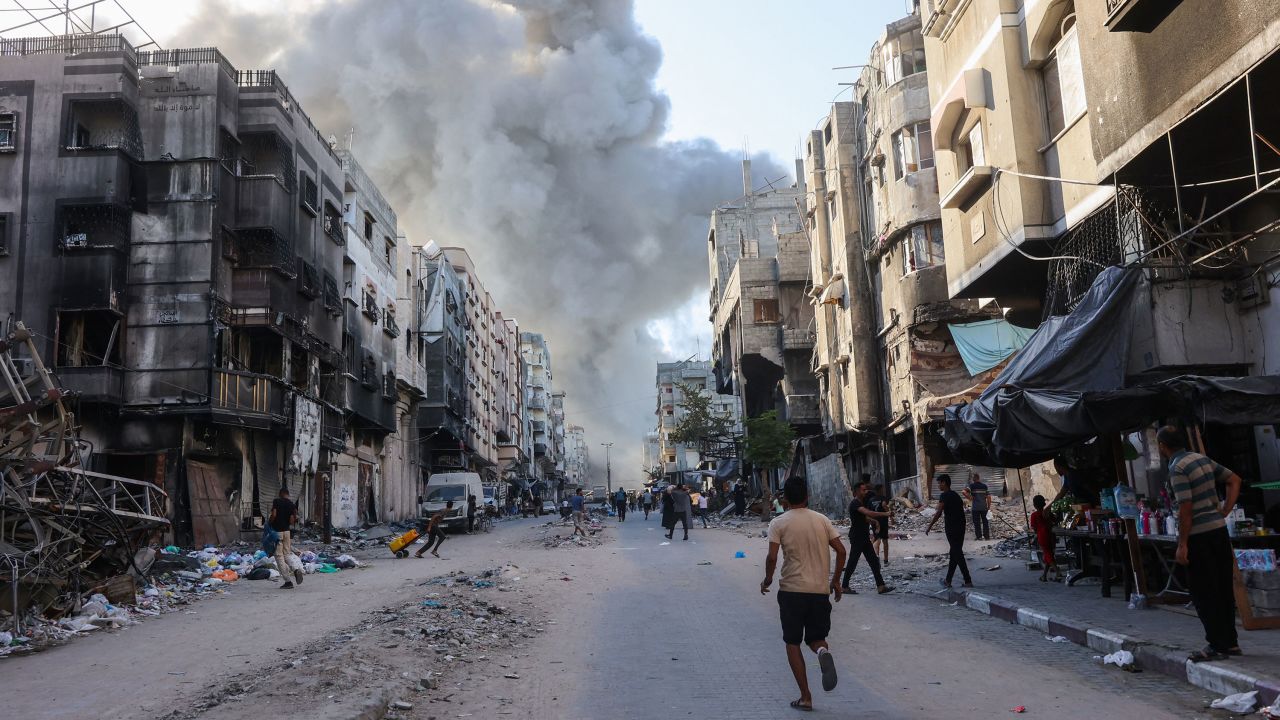
The ink on the US-Iran ceasefire wasn't even dry before the missiles started flying again. If you thought a diplomatic handshake in Islamabad would instantly quiet the Gulf, you haven't been paying attention. By 10:00 a.m. on April 8, 2026, the Lavan Oil Refinery on Iran’s Lavan Island was already in flames. This wasn't just a minor skirmish; it was a direct hit on one of Iran's most critical export hubs, processing roughly 60,000 barrels of high-quality crude a day.
You’re probably wondering how a "ceasefire" allows for a major refinery to get torched and for cities like Dubai and Kuwait City to spend the morning under air defense sirens. The reality is that this truce is the messiest piece of paper in modern history. While Washington and Tehran claim to want a pause, the "Axis of Resistance" and Israel aren't following the same script.
The Lavan Island Strike and the Spiral of Revenge
The attack on the Lavan refinery was the match that lit the powder keg. Iranian officials called it a "cowardly" act, and while they didn't name Israel immediately, the retaliation was swift and directed at every US ally in reach. Iran isn't just fighting a war of soldiers anymore; it’s fighting a war of calories and kilowatts.
Hours after the refinery was hit, the Iranian military launched what Kuwaiti officials described as a "dense wave" of drones and missiles. We aren't talking about a few stray projectiles. Kuwait intercepted 28 drones alone, many of which were aimed at the al-Ahmadi refinery and vital desalination plants. Imagine the chaos: a country that relies on desalination for its very survival watching drones swarm its water supply while a ceasefire is technically in effect.
Why the UAE and Kuwait are the New Frontlines
The United Arab Emirates has taken the brunt of this "peaceful" period. The UAE Ministry of Defense reported intercepting 35 drones on Wednesday. But interceptions aren't perfect. Debris from these high-speed collisions has been raining down on residential areas in Abu Dhabi and Dubai.
- Abu Dhabi: Shrapnel fell near Zayed International Airport, tragically killing a Pakistani national and injuring seven others.
- Dubai: Fires broke out at the Jebel Ali Port and even near the US consulate after drone fragments hit the ground.
- The Energy Factor: A fire at the Habshan gas complex in Abu Dhabi shows that Iran is specifically targeting the infrastructure that keeps the world’s lights on.
It’s a brutal strategy. By hitting the UAE and Kuwait, Tehran is telling the West that if their oil burns, everyone’s oil burns. They're leveraging the global economy to force the US into a corner.
The Lebanon Loophole
The biggest reason this ceasefire feels like a lie is Lebanon. Prime Minister Benjamin Netanyahu was blunt: the truce "does not include Lebanon." While the US and Pakistan tried to bundle all fronts together, Israel saw an opening and took it.
Under "Operation Eternal Darkness," Israel launched 100 airstrikes in just 10 minutes across southern Lebanon and Beirut. The goal? Systematic destruction of Hezbollah’s headquarters and missile sites before any permanent deal locks the borders. Hezbollah, predictably, responded by firing into Northern Israel on April 9, stating they won’t stop until the Lebanese territory is clear of strikes. You can’t have a ceasefire when one side doesn't acknowledge the other’s right to stop shooting.
What This Means for Your Wallet
If you’re looking at the gas pump, don't get too excited about the 13% drop in Brent crude prices we saw right after the announcement. Yes, Brent fell to around $95, but that’s a "hope" price, not a "reality" price. Before this war started in February, we were looking at $70.
The Strait of Hormuz is supposed to reopen under the ceasefire terms, but who’s going to sail a multi-million dollar tanker through a zone where drones are being shot down every hour? The EIA has already revised its 2026 forecast upward. We’re looking at sustained volatility because the supply chain isn't just broken; it’s being actively hunted.
The Real Power Play in Islamabad
Negotiations are set to continue in Pakistan, but the demands on the table are miles apart.
- The US Position: Open the Strait, stop the nuclear program, and we might unfreeze some assets.
- The Iranian Position: Lift all sanctions and get every US soldier out of the Middle East.
These aren't starting points for a conversation; they're ultimatums. The next 15 days of this "temporary" pause will likely see more "unverified" strikes as both sides try to grab as much leverage as possible before a permanent deal is even drafted.
If you’re in the region or invested in global markets, watch the Lavan Island repairs and the flight paths over Abu Dhabi. The ceasefire isn't a period of peace; it’s just a change in how the war is being fought. Keep your eyes on the Strait of Hormuz—if those tankers don't start moving safely by next week, the $95 oil price will be a distant memory.