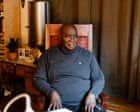
Slinger Francisco didn't just sing calypso; he built its modern blueprint. When the world lost the legendary performer known as the Mighty Sparrow at age 91 in New York, it marked the end of an era that stretched from post-war colonial Trinidad to international stages. He earned the title "Calypso King of the World" honestly. He took a regional folk tradition, injected it with razor-sharp social commentary, infectious humor, and unmatched vocal dexterity, and turned it into a global art form.
If you grew up anywhere near the Caribbean, or tuned into the vibrant energy of Carnival, Sparrow's voice was basically the soundtrack of your life. But his impact goes far beyond party anthems. Let's look at how a boy born in Grenada reshaped Caribbean culture forever. For another perspective, check out: this related article.
From Laventille Backstreets to Global Royalty
Born in Grand Roy, Grenada, in 1935, Francisco moved to Trinidad as a toddler, growing up in the bustling, tough neighborhood of Laventille in Port of Spain. That environment gave him a front-row seat to the daily struggles, joys, and political shifts of working-class people.
He picked up the moniker "Little Sparrow" early on because of his frantic, darting stage presence. He later dropped the "Little," and it stuck. Back then, calypsonians adopted grand, regal titles like Lord Kitchener or Duke to mimic British aristocracy. Sparrow didn't just play the role—he dominated it. He won Trinidad’s prestigious Carnival Road March and Calypso Monarch titles a record-shattering number of times, establishing a standard that few ever approached. Further analysis regarding this has been published by The New York Times.
Why His Music Actually Mattered
A lot of people reduce calypso to upbeat vacation music. That is a massive mistake. Sparrow used his platform to say what everyone else was thinking but was too afraid to voice out loud.
Take songs like "Dan is the Man," a brilliant critique of colonial education systems that forced Caribbean children to memorize British nursery rhymes while ignoring their own reality. It was catchy, smart, and bitingly political. He sang about economics, local corruption, gender dynamics, and international relations with the same casual ease he brought to party tracks like "Jean and Dinah."
He made people laugh, yes, but he also forced societies to look in the mirror. When rumors of his death popped up over the years—long before he actually passed—he responded with classic wit by recording "Sparrow Dead," turning morbid gossip into another hit song. That was his genius. He owned his narrative completely.
The Legacy Left Behind
Honors followed him across the decades, from the Order of the Republic of Trinidad and Tobago to an honorary doctorate from the University of the West Indies. Yet, his true monument isn't found in medals or plaques. It lives in every soca artist who samples his cadence, and every listener who hears the brass horns kick in and feels an immediate surge of island pride.
He pushed boundaries, survived severe health scares later in life, and kept performing well into his eighties. The Birdie has flown, but the rhythm he perfected isn't going anywhere.


