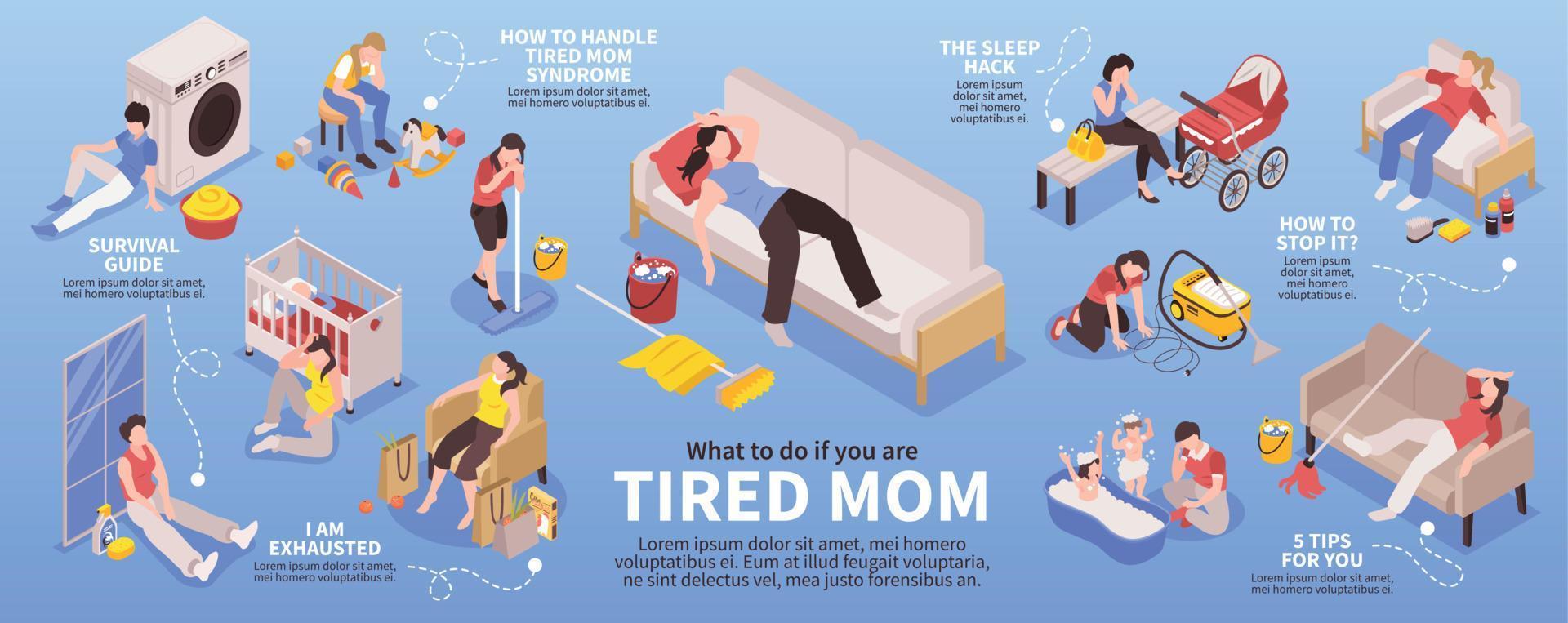
Mother’s Day usually involves a bouquet of flowers, a forced brunch, and maybe a card that says "thanks for doing it all." But "doing it all" is a hollow phrase. It doesn't capture the grinding, invisible weight of the mental load that mothers carry every single day. Most people think chores are the problem. They aren't. You can split the laundry 50/50 and still have a mother who's drowning because she's the one who remembers the laundry exists in the first place.
This isn't about who held the vacuum. It’s about who noticed the dust, checked the schedule to see when the guests were arriving, and realized the vacuum bag was full. That cognitive labor is the silent killer of maternal well-being. It’s the constant background noise of "did I sign the permission slip" and "we’re running low on milk" that never, ever stops.
The cognitive tax of being the family manager
The mental load is different from physical labor. If you wash the dishes, you're doing a task. If you're the one who keeps track of the fact that the dishes need washing, the soap is running out, and the toddler has a playdate tomorrow so the water bottles need to be clean—that’s the load. Sociologist Allison Daminger identified four stages of this mental work: anticipating, identifying, deciding, and monitoring.
Studies show that even in "progressive" households where dads do more chores, moms still do the vast majority of the cognitive heavy lifting. According to research from Arizona State University, nearly 90% of mothers say they feel solely responsible for the family’s schedule. This isn't just a "mom thing." It’s a management job that you never get to clock out from.
You're basically a project manager for a small, chaotic startup called a family. But unlike a corporate PM, you don't get a salary, a weekend, or even a lunch break where someone doesn't ask you where their socks are. It’s exhausting. It’s why you’re tired even when you’ve slept eight hours. Your brain is running too many tabs.
Why flowers on Mother's Day feel like a joke
Giving a mother a candle or a spa voucher when she’s carrying a massive mental load is like putting a band-aid on a broken leg. It’s nice, sure. But it doesn't fix the bone. The reason many women feel resentment on Mother's Day isn't because they're ungrateful. It's because the holiday celebrates the sacrifice rather than addressing the systemic imbalance.
We’ve romanticized the "supermom." We act like it’s a superpower to juggle a career, school lunches, and emotional support for a partner. It’s not a superpower. It’s a survival mechanism. When we call moms "heroes" for doing the mental load, we’re essentially saying, "I’m glad you’re doing that so I don’t have to."
The medical community is starting to see the physical toll of this. High levels of cortisol—the stress hormone—are linked to chronic inflammation, heart issues, and burnout. Mothers aren't just "stressed." They’re often experiencing a prolonged physiological response to being "on" 24/7.
The myth of the helper partner
"Just tell me what to do and I'll do it."
If you've said this, or heard it, you've encountered the helper syndrome. On the surface, it sounds supportive. In reality, it’s a trap. When a partner asks to be told what to do, they’re putting the manager's hat firmly back on the mother’s head. They’re saying, "I’ll execute the task, but you still have to do the thinking."
True equity isn't about helping. It’s about ownership.
Ownership means you don't ask where the kid’s shoes are. You know where they are because you’re responsible for the kid’s footwear. You know when they’re getting too small. You know when it’s time to buy new ones. If one person is the "boss" and the other is the "intern," the boss will always be burnt out. The intern gets to relax when they aren't being given a task. The boss never does.
Common misconceptions about the mental load
- It’s just about being organized. Nope. You can have the best planner in the world and still feel crushed. Organization is a tool; the load is the actual weight of the information.
- Dads don't care. Most do care. They just haven't been socialized to "see" the invisible tasks. They see a floor; a mom sees a floor that needs a mop because the baby is crawling tomorrow.
- It gets better when kids grow up. It often just changes shape. Instead of diapers, it’s college applications, mental health check-ins, and managing the needs of aging parents.
Breaking the cycle before you snap
You can’t "self-care" your way out of a systemic issue. Taking a bubble bath doesn't delete the 400 items on your mental to-do list. To actually change things, you have to change the way the household functions.
Stop being the "Default Parent." This is the person the school calls first, the person the kids ask for a snack even when the other parent is standing right there, and the person who knows the pediatrician’s phone number by heart. Shifting this requires more than just a conversation. It requires a hard reset.
Eve Rodsky, author of Fair Play, suggests a system where tasks are defined by "Conception, Planning, and Execution." If you’re in charge of dinner, you don't just cook. You figure out what’s for dinner, you check the fridge for ingredients, you go to the store, and then you cook. One person owns the whole cycle. This prevents the "what should I do now" friction that drains the manager's energy.
The emotional labor overlap
We can't talk about the mental load without talking about emotional labor. This is the work of managing everyone’s feelings. It’s making sure your husband remembers his mom’s birthday. It’s soothing the toddler’s tantrum while trying to keep the peace during a family dinner. It’s the "worry work."
Are the kids making friends? Is the teenager too quiet lately? Is my partner feeling neglected because I’m too tired to talk?
This emotional monitoring is incredibly taxing. It’s why "mom brain" is a thing. Your prefrontal cortex is so busy managing the emotional and logistical data of four other people that you forget where you put your own keys. Honestly, it’s a miracle moms remember their own names half the time.
Shifting the weight for real results
If you want to actually support a mother this Mother’s Day, or any day, you have to take something off her plate permanently. Not for an hour. Not for a day. Forever.
- Conduct a Load Audit. Sit down and list every single recurring task. Not just "cleaning," but "checking the mail," "buying birthday gifts," and "replenishing the toilet paper."
- Assign Total Ownership. Pick three things the non-default parent will own completely. No reminders. If it doesn't happen, the consequences (like no clean socks) are part of the learning process.
- Drop the Perfectionism. Part of why moms carry the load is because they've been judged for decades if things aren't perfect. Let the other person do it their way. If the kids wear mismatched clothes to school because Dad was in charge, the world won't end.
- Redefine "Help." Remove the word from your vocabulary. You don't "help" in your own home. You contribute. You participate. You co-lead.
The power of saying no to the invisible
The most radical thing a mother can do is stop. Stop being the one who remembers everything. It’s terrifying because things will fall through the cracks. The cupcakes for the school bake sale won't get made. The dog might miss a vet appointment.
But as long as you keep catching every ball, no one else will feel the need to pick them up. The mental load stays hidden because you’re so good at carrying it. Make it visible. Talk about it until you’re blue in the face. Show the list. Express the exhaustion.
Real appreciation isn't a card. It’s a partner who says, "I’ve got the summer camp registrations handled from start to finish, don't even think about it." That’s the real gift.
Start by picking one "invisible" thing you do every week and hand it over entirely. Don't check in on it. Don't offer advice. Just let go. It’s the only way to get your brain back.