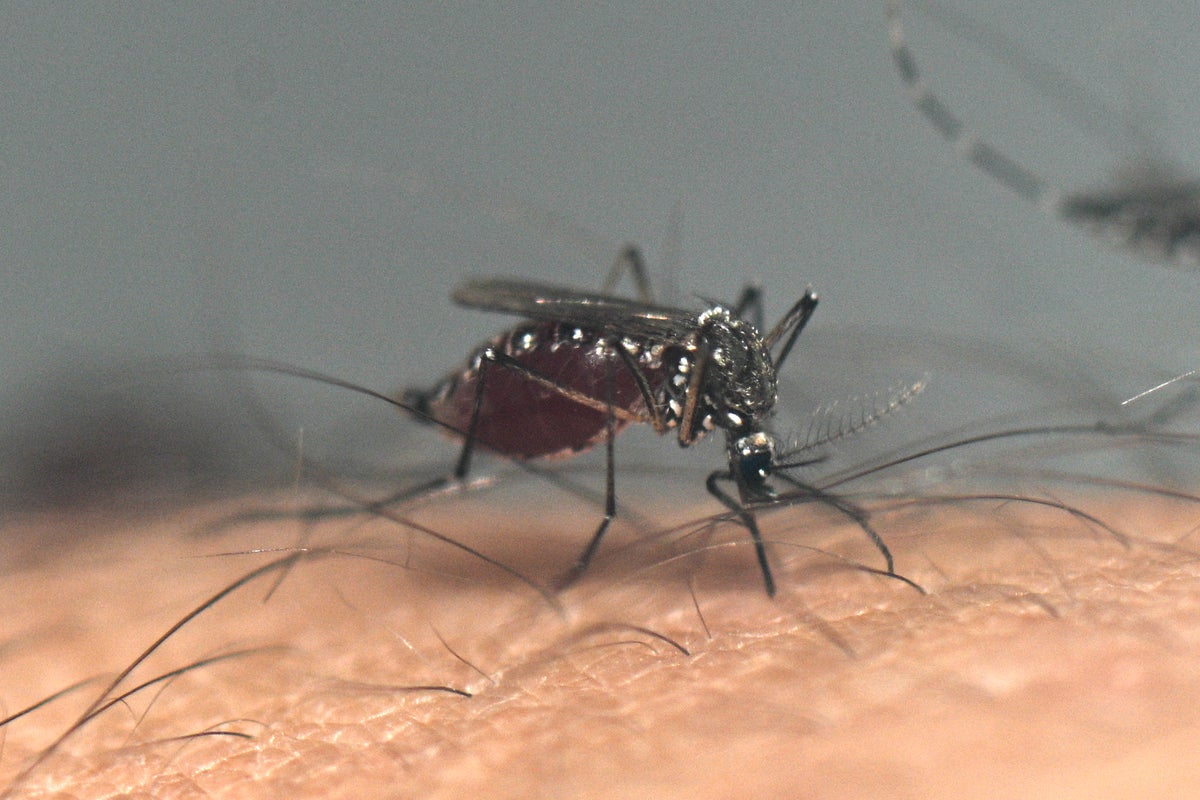
Nobody worries about a backyard mosquito until it bites. That tiny itch feels like a minor annoyance. It is easy to ignore. You slap your arm, brush it off, and go back to grilling burgers.
You shouldn't. For an alternative look, consider: this related article.
A dangerous brain swelling illness spread by mosquitoes is creeping up across the United States. We aren't talking about mild summer fatigue or a simple rash. We are looking at severe neurological damage, long-term cognitive hurdles, and in the worst cases, fatal outcomes. Public health agencies like the Centers for Disease Control and Prevention track these climbing numbers every single season. The vectors are expanding their territory. Warmer winters help them survive. Urban sprawl pushes humans closer to stagnant water.
You need to know what is actually happening. You need to know how to protect your porch, your kids, and your peace of mind. Further insight on this trend has been shared by WebMD.
Understanding the Mosquito Threat to Your Brain
When people hear about mosquito-borne illnesses, their minds jump straight to travel brochures and tropical resorts. They think about malaria or dengue. But the threat is right outside your patio door. Eastern Equine Encephalitis and West Nile Virus are the heavy hitters driving this surge.
Eastern Equine Encephalitis, often called EEE, stands out as one of the scariest pathogens on the continent. It boasts a mortality rate that shocks people. Roughly thirty percent of those who develop severe clinical disease die. Many survivors deal with permanent brain damage. They face physical therapy, memory loss, and personality shifts for the rest of their lives.
West Nile Virus is more common. Most people who catch it never realize it. They get a mild fever and chalk it up to a 24-hour bug. But in a small fraction of cases, the virus crosses the blood-brain barrier. It causes meningitis or encephalitis. Suddenly, a backyard mosquito transforms from a minor nuisance into a catastrophic health crisis.
Why are these numbers rising? The answer sits at the intersection of climate shifts and ecology. Mosquitoes thrive in warm, humid weather. Extended summers mean a longer breeding season. Heavy downpours leave behind ideal puddles in clogged gutters, old tires, and unmaintained birdbaths. These insects do not need a massive swamp to multiply. They only need a bottle cap of standing water.
Spotting the Danger Signs Early
Symptoms do not show up immediately. An infected mosquito bites you. The virus incubates in your body for anywhere from three to fourteen days.
Most infected individuals stay completely asymptomatic. You might feel a little tired and never connect it to the bug bite you got a week ago. When symptoms do strike, they usually start innocently.
- Sudden high fever
- Severe headache
- Stiff neck
- Disorientation or confusion
- Muscle weakness
If the infection progresses toward encephalitis, the clinical picture turns dark very fast. You might notice seizures, tremors, or profound lethargy. Children and older adults face the highest risk for severe outcomes. Their immune systems either cannot fight the pathogen efficiently or overreact to the threat, causing massive inflammation inside the skull.
If you or a family member develop a blinding headache paired with a fever during peak mosquito months, stop guessing. Go to urgent care or the emergency room. Doctors can run cerebrospinal fluid tests to pinpoint the cause. Early supportive care matters. While there is no magic cure or antiviral pill that instantly erases these infections, managing swelling and keeping vitals stable saves lives.
Fixing Your Yard Before It Bites You
Waiting for city spray trucks to clear your neighborhood is a bad strategy. Local municipalities spray when trap counts spike, but backyard control falls squarely on you.
Start with a brutal walk around your property. Look for anything that holds water. Turn over empty flowerpots. Clean out the leaves choking your roof gutters. Scrub birdbaths twice a week. If you have an ornamental pond, stock it with mosquito-eating fish or use biological larvicides containing Bacillus thuringiensis israelensis, a natural bacteria that kills mosquito larvae without poisoning local wildlife or pets.
Personal defense requires daily habits. DEET remains the gold standard for repelling mosquitoes. Apply it to exposed skin and clothing when spending time outdoors at dawn or dusk. Picaridin and oil of lemon eucalyptus work well if you prefer botanical or synthetic alternatives without heavy chemicals.
Wear long sleeves and light-colored pants when gardening or walking through wooded areas. Mosquitoes are naturally attracted to dark fabrics and body heat. Screens on your windows and doors must be tight. A single tiny tear acts like an open invitation for a determined insect looking for a midnight meal.
Take this seriously. Check your yard this weekend. Clear the water traps, stock up on effective repellent, and stop treating these insects like harmless summer background noise.