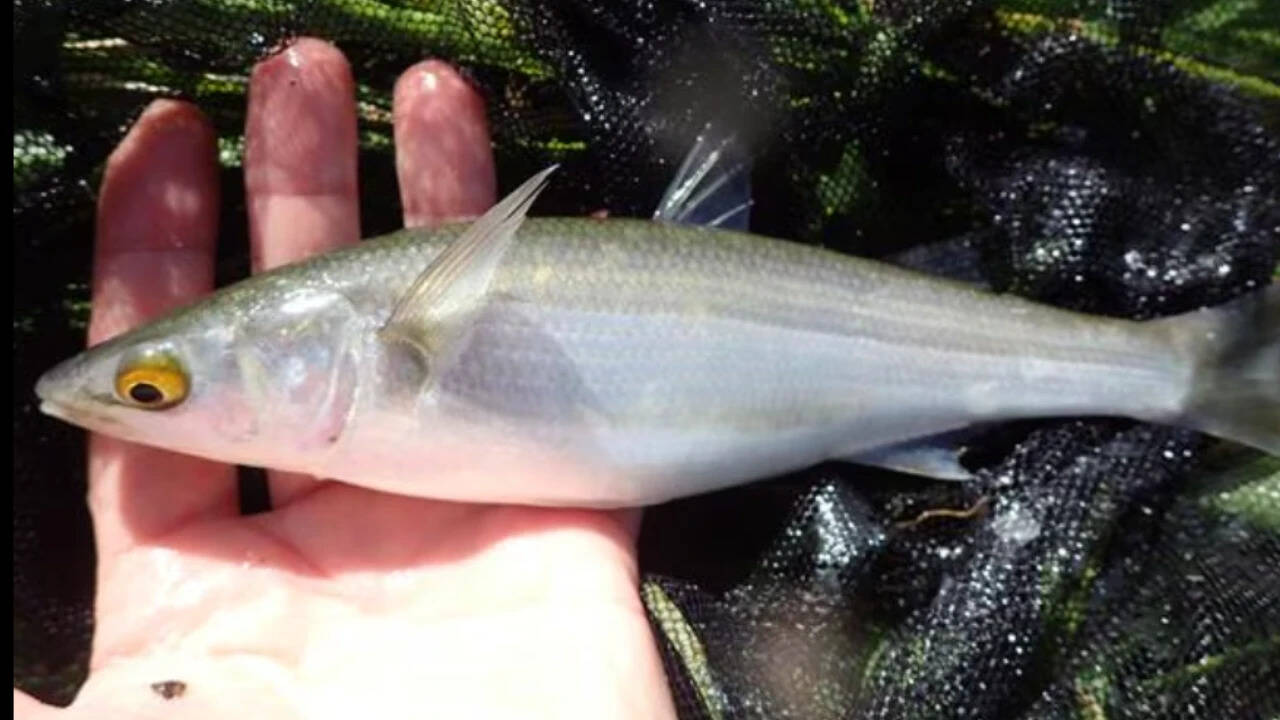
When conservationists speak of ecological victories, they rarely talk about mud. Yet in the estuaries of Tasmania, the entire battleground of marine restoration hinged on eradicating Spartina anglica, a stubborn invasive cordgrass known locally as rice grass. For decades, this alien plant colonized intertidal flats, trapping silt and choking native fish nurseries. Recent environmental monitoring reveals that removing the infestation has triggered a dramatic rebound, with fish species numbers more than doubling over a three-year window in treated zones. This investigation explores the grueling decades of eradication work, the mechanics behind the biological recovery, and the hard lessons other coastal ecosystems refuse to learn.
The Intruders That Choked the Tamar
How did a foreign grass reach Tasmanian shores in the first place? In the early twentieth century, agricultural planners viewed intertidal mudflats as wasted acreage. They sought ways to stabilize shorelines, reclaim grazing land, and anchor shifting sediments. Spartina anglica, an aggressive hybrid grass native to Europe, seemed like a convenient engineering tool. It was deliberately planted across parts of the Tamar River and surrounding estuaries.
That decision triggered an environmental catastrophe moving in slow motion.
An invasive species does not merely arrive; it rewrites the fundamental physics of its new home. Rice grass behaves like an ecological anchor with a malicious twist. Its dense root mats bind sediment together so effectively that mudflats that once remained dynamic, shifting, and rich in organic nutrients transformed into stagnant, elevated salt marshes. Tidal currents were redirected. Channels narrowed. For native fish species like black bream, flathead, and various estuarine gobies, the loss of open, soft-sediment feeding grounds meant starvation and spawning failure.
For years, local fishers watched catches dwindle. Commercial operators blamed overfishing, while recreational anglers pointed to water pollution. Both missed the invisible green carpet colonizing the shallows.
Decades of Chemical and Physical Warfare
Eradicating Spartina anglica is not a task for casual volunteers equipped with garden trowels. It requires a sustained, multi-million-dollar operation led by environmental authorities, marine biologists, and specialized eradication crews. The state government, operating through agencies like the Department of Primary Industries, Parks, Water and Environment, faced immense pushback. Some local landowners worried about chemical runoff; others doubted whether spending public funds on ugly weeds was worthwhile.
The strategy relied on targeted herbicide application paired with mechanical removal. Crews navigated treacherous mudflats during low tides, spraying precise doses of approved aquatic herbicides directly onto the foliage. In deeper channels, amphibious excavators ripped out subterranean root systems that extended meters beneath the surface. Every missed rhizome represented a potential resurgence. The work was exhausting, dangerous, and mathematically precise.
Measuring the Biological Rebound
When the grass finally retreated, the environment did not simply revert; it bounced back with astonishing velocity. Monitoring programs tracking fish populations over three years post-eradication recorded a doubling of species richness and density in targeted zones.
Why did the fish return so quickly?
Estuaries function as the maternity wards of the ocean. Juvenile fish require shallow, unstructured soft-sediment environments where they can forage for benthic micro-invertebrates—worms, small crustaceans, and mollusks—while hiding from larger predatory species. When rice grass blanketed the mudflats, it created an impenetrable thicket that suffocated benthic life and blocked juvenile fish from accessing food sources.
Once the grass was cleared, tidal action restored natural sedimentation patterns. Micro-invertebrate populations exploded within months. With food abundant and shelter restored from remnant structural elements rather than choking weed mats, recruitment rates for commercial and recreational fish stocks surged.
The Unseen Ecological Trade-Offs Beneath the Surface
Journalism demands that we look beyond triumphant press releases. Did eradicating rice grass solve every problem in Tasmanian waterways? Not entirely.
Removing an established invasive species can cause temporary ecological shock. In some areas where Spartina had anchored shorelines for half a century, its sudden removal exposed fragile banks to accelerated erosion before native vegetation could re-establish. Conservation managers had to deploy biodegradable coir logs and plant native rushes like Juncus and Phragmites rapidly to stabilize vulnerable riverbanks.
Furthermore, some shorebird species had adapted to roosting or feeding in the artificial salt marshes created by the grass. While fish populations soared, certain wading bird dynamics shifted, forcing wildlife managers to balance aquatic restoration against avian habitat preservation. Ecosystem management is rarely a zero-sum game of pure good versus pure evil; it is an ongoing negotiation with unintended consequences.
Why Other Coastal Regions Are Failing to Follow Suit
Why is Tasmania's success story so rare globally? Look at Washington State, parts of the United Kingdom, or New Zealand, where Spartina species continue to plague coastlines despite decades of control efforts.
The difference lies in political will and funding consistency. Many governments treat invasive weed eradication as a seasonal project, slashing budgets the moment public interest wanes. Tasmania maintained a relentless, multi-decade commitment, treating ecological restoration with the same urgency as emergency disaster response. Without sustained funding and centralized coordination, eradication efforts invariably collapse, allowing invasive plants to bounce back stronger than before.
The Cost of Looking Away
The lesson from the Tamar River extends far beyond aquatic botany. Estuaries are the lifeblood of marine biodiversity. When we ignore biological alterations disguised as simple greenery, we unravel entire food webs from the bottom up. Tasmania proved that damage done over a century can be reversed, but only if society stops treating environmental restoration as an optional luxury and treats it as structural maintenance for the planet.