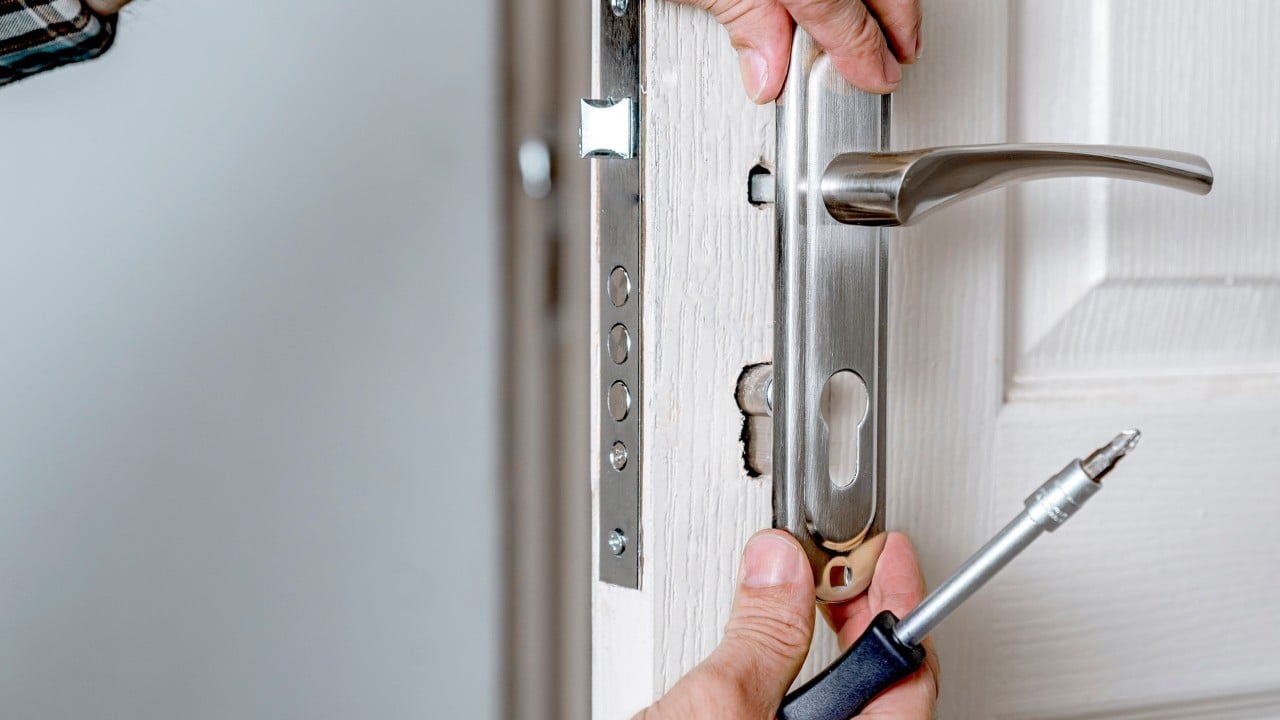
A brazen real estate heist in China recently exposed a systemic vulnerability in the world’s largest property market. A fraudster broke into a vacant apartment, swapped the locks, and successfully sold the property to an unsuspecting couple for 750,000 yuan ($103,000). While early reports treated the incident as a bizarre case of individual criminal opportunism, the reality is far more troubling. This crime is a direct symptom of structural flaws within China’s property registration systems, the unchecked rise of phantom inventory, and a secondary market that operates with minimal oversight.
The mechanics of the scam were shockingly simple. The perpetrator identified a long-vacant unit, hired a locksmith under false pretenses, and listed the property online below market value. The buyers, desperate to secure a home in a cutthroat economic environment, handed over their life savings without verifying the underlying deed with municipal authorities.
By the time the actual owner discovered the intrusion, the money was gone.
To understand how a squatter can successfully liquidate an asset they do not own, one must look beyond the immediate criminal act. This is not an isolated incident of breaking and entering. It is an indictment of a real estate infrastructure that prioritizes rapid transaction volume over rigorous title verification.
The Mechanization of the Phantom Flat Epidemic
The foundation of this vulnerability lies in the sheer volume of unoccupied housing across mainland China. Decades of speculative buying have left tens of millions of apartments sitting entirely empty. These are "ghost units"—assets purchased solely for wealth preservation rather than habitation.
Owners frequently reside in different provinces or overseas, leaving their investments unmonitored for years at a time.
+-------------------------------------------------------------+
|               The Lifecycle of a Title Heist                |
+-------------------------------------------------------------+
|  1. Identification: Target a long-vacant, unmonitored unit  |
|  2. Physical Breach: Exploit weak locksmith verification    |
|  3. Illegitimate Listing: Post below market rate online     |
|  4. Document Forgery: Replicate state property certificates |
|  5. Cash Extraction: Demand rapid, non-escrow payment       |
+-------------------------------------------------------------+
This vast sea of dark inventory creates a fertile hunting ground for sophisticated fraudsters. When a market contains millions of properties that are never visited by their owners, the physical asset becomes decoupled from its legal ownership. A criminal does not need to hack a digital database to steal a home. They only need to exploit the gap between physical possession and bureaucratic record-keeping.
Systematic Failures in Local Property Verification
In theory, the transfer of real estate requires rigorous state oversight. In practice, the decentralized nature of local housing bureaus creates massive loopholes.
Many regional registries rely on fragmented databases that do not cross-reference national identity systems in real time. When a fraudster presents forged identity documents or fake property certificates, low-level bureaucratic clerks frequently fail to catch the discrepancies. The system trusts the paperwork rather than verifying the individual standing at the counter.
Furthermore, the secondary real estate market relies heavily on independent, unregulated neighborhood brokers. These freelance agents are driven entirely by commissions. They rarely conduct deep due diligence on the properties they list, preferring to move quickly to close the deal before a competitor intervenes.
The buyers, operating under immense social pressure to own property, often bypass formal legal counsel to save on transaction fees. They rely on the physical presence of the seller inside the apartment as proof of ownership. This is a fatal mistake. Physical possession is treated as a proxy for legal title, a psychological vulnerability that criminals exploit with precision.
The Fatal Flaw of the Non Escrow Payment Culture
In mature real estate markets, transactions utilize第三方托管 (third-party escrow) accounts to ensure that funds are only released once a clean title is transferred and verified. In many secondary and tertiary Chinese cities, this practice is bypassed to avoid taxes or expedite transactions.
Buyers frequently transfer large sums directly to the personal bank accounts of sellers or brokers.
Once a direct bank transfer occurs, freezing those funds requires a formal police investigation and a court order. This process takes weeks. A criminal who secures a 750,000 yuan cash transfer can liquidate the account, convert the assets, and vanish within hours of the signing ceremony. The legal system is left chasing a ghost, while the victims are left holding a worthless piece of paper and facing eviction by the rightful owner.
The Legal and Social Aftermath for Defrauded Buyers
When these scams unravel, the legal fallout is brutal for the victims. Chinese property law heavily favors the original deed holder provided their acquisition of the property was legitimate.
The unsuspecting buyers who paid $103,000 do not get to keep the apartment. They are classified as victims of a contractual fraud, meaning their sole legal remedy is to seek restitution from the criminal. If the perpetrator has spent or hidden the funds, the buyers face total financial ruin.
- Eviction: Courts routinely order the immediate return of the property to the legal owner.
- Asset Loss: The buyers remain liable for any personal loans or shadow-banking debt they incurred to raise the purchase price.
- Lacking Recourse: State compensation funds for victims of registry fraud are practically non-existent in these jurisdictions.
This creates a destabilizing social dynamic. Families pour multiple generations of savings into a single property purchase. When that asset vanishes due to a systemic security failure, the economic damage ripples through extended families, crushing consumer confidence and feeding a growing distrust in the broader real estate market.
Demanding a Structural Overhaul
Fixing this vulnerability requires more than just arresting individual scammers. It demands a fundamental modernization of how property rights are managed and verified at the municipal level.
First, the physical verification of identity must be tied to biometric data at the point of deed transfer. Relying on paper certificates and easily forged state seals is an archaic practice that belongs to a previous century. If a bank requires facial recognition to open a minor credit line, a housing bureau must require the same to transfer a asset worth hundreds of thousands of dollars.
Second, the use of centralized, mandatory escrow accounts for all secondary property transactions must be enforced by law. Direct peer-to-peer transfers for real estate transactions should be criminalized. By locking funds in a state-monitored escrow account until a multi-agency title check is complete, the financial incentive for quick-turnover property theft evaporates.
The $103,000 lock-swapping scam was not a stroke of criminal genius. It was a glaring demonstration of how easily the current real estate apparatus can be manipulated by anyone with a crowbar, a fake ID, and a willing buyer. Until the structural gaps between physical assets and digital registries are permanently closed, millions of vacant apartments remain open targets for the next generation of property thieves.