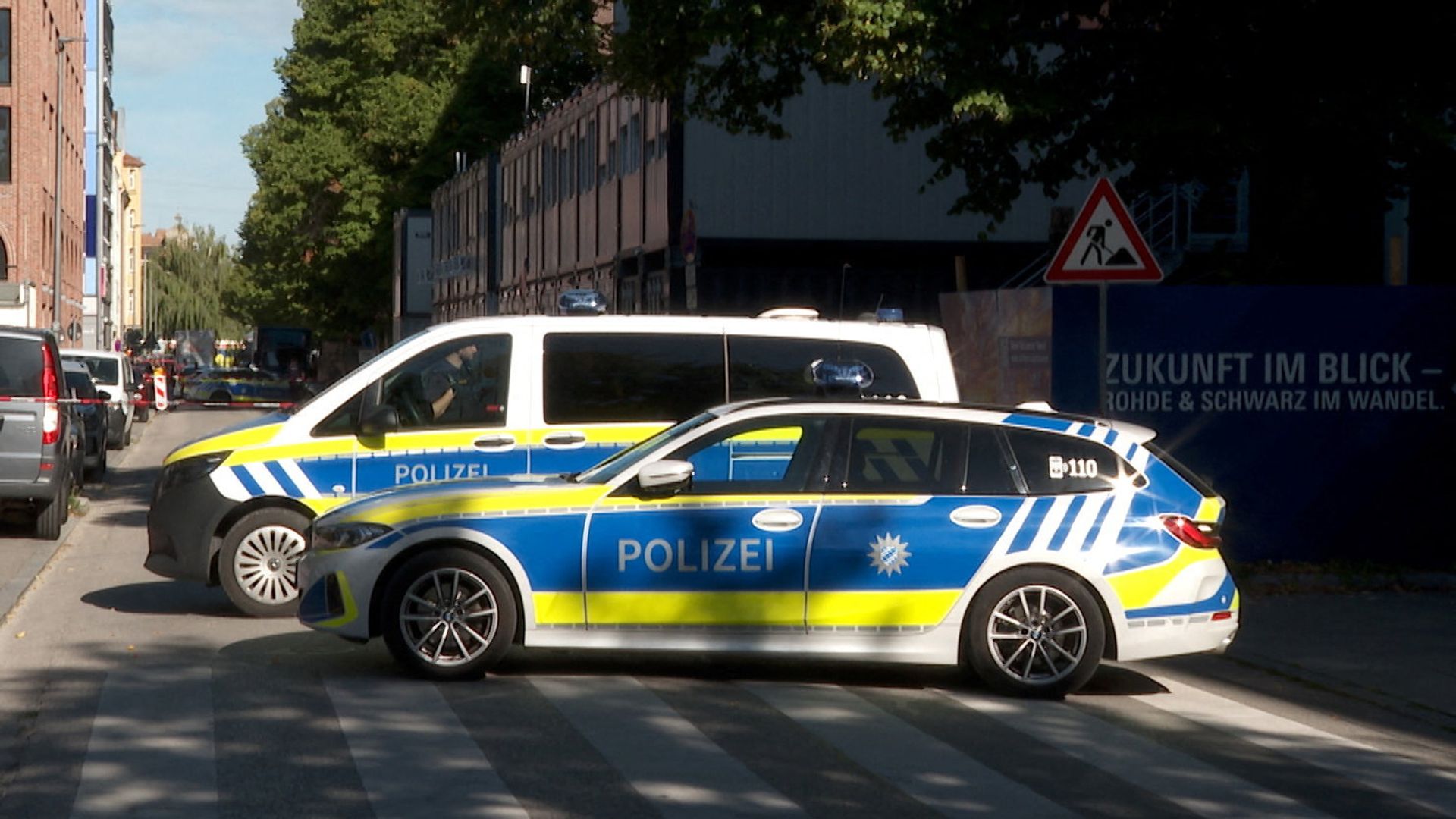
Security alerts across Europe are hitting a fever pitch. German police recently moved fast in Munich, snapping up two suspects following a late-night arson attempt near the headquarters of defense tech contractor Rohde & Schwarz.
When incendiary devices get tossed from a moving car onto a construction site outside a major military communications and radar provider, nobody treats it like ordinary vandalism. They treat it like hybrid warfare.
What Actually Happened in Munich
The timeline of the Munich incident points to amateur execution combined with high-stakes targeting. Around midnight in the Berg am Laim district, a witness spotted individuals throwing incendiary items from a vehicle. One device ignited near construction containers right outside the Rohde & Schwarz complex, causing minor property damage before patrol units put it out.
A second device failed to detonate. Bavarian state special forces had to render it safe while local law enforcement locked down the zone.
Police didn't have to look far for suspects. Officers nabbed a 28-year-old woman and a 38-year-old man—both Bulgarian nationals—at a nearby gas station shortly afterward. Investigators are actively untangling their exact motives and connections, but the timing couldn't be more sensitive.
The Broader Sabotage Panic in Germany
You cannot view this Munich arrest in a vacuum. Germany's critical infrastructure has faced a barrage of suspicious incidents lately.
Just days before the Munich fire, authorities scrambled to investigate two separate attempts to sabotage the electricity grid within a 24-hour window across Brandenburg and North Rhine-Westphalia. Add in the recent drone attack attempt targeting a Ukrainian cargo plane at Leipzig/Halle airport—which Berlin directly pinned on Moscow—and you get a country sitting on edge.
Interior Minister Alexander Dobrindt hasn't minced words about these threats. Officials are warning openly that foreign intelligence agencies, particularly Russia, are increasingly using domestic extremist groups or localized criminal proxies to carry out sabotage operations. The goal isn't necessarily massive physical destruction. It's psychological intimidation designed to fracture European public support for Ukraine.
The Growing Threat Matrix for Defense Contractors
Defense manufacturing used to be a quiet corporate sector. Today, companies producing radar, drone-jamming tech, and military communications find themselves on the front lines of a shadow war.
Intelligence agencies across neighboring nations share this anxiety. In Denmark, security services recently warned that foreign actors are actively recruiting locals to plan physical attacks against defense firms tied to Ukraine supply chains.
The Munich episode proves that critical infrastructure protection requires far more than locked gates and basic security cameras. As hybrid threats evolve, low-level operatives throwing crude incendiary devices are testing how resilient Europe's supply chains and domestic security apparatus really are. Expect tighter security postures around defense hubs across the continent as investigators dig deeper into these cross-border networks.