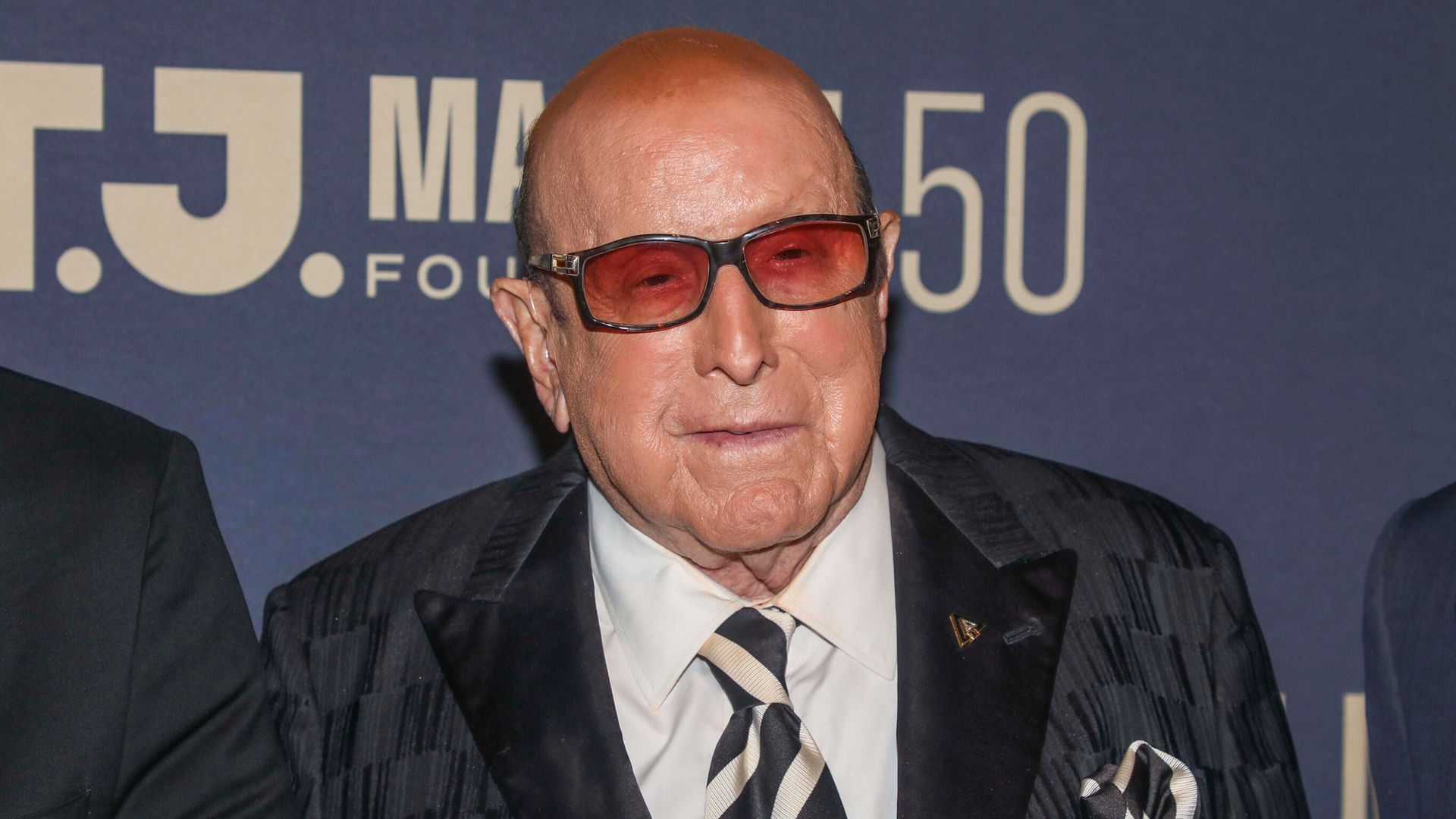
Clive Davis didn't know a thing about music when he took over Columbia Records in 1967. He was a Harvard-educated lawyer who looked at spreadsheets and legal contracts. Then he went to the Monterey Pop Festival, saw Janis Joplin tear the stage apart, and trusted a gut instinct he didn't even know he had. He signed her immediately. That single moment transformed a buttoned-up attorney into the man with the golden ears, sparking a 50-year run that fundamentally shaped the sound of modern radio.
With Davis passing away at his Manhattan home at the age of 94, the music industry loses its last true titan. His family confirmed he died peacefully from age-related illness, following a brief hospitalization for a respiratory issue. While casual fans know him as the mastermind who discovered Whitney Houston, industry insiders know his impact runs much deeper. He was the architect behind multiple eras of American music, shifting effortlessly from the 1960s rock explosion to 1990s hip-hop and the early 2000s reality TV boom. Expanding on this theme, you can also read: The Man Who Heard Tomorrow.
The modern music streaming ecosystem relies on algorithms to predict what people want to hear. Davis relied on his instincts. He possessed a rare ability to spot a massive pop hit in its rawest form, a skill that earned him five Grammy Awards and a spot in the Rock and Roll Hall of Fame.
The Audacity of the Second and Third Acts
Most executive careers have a single peak. Davis had three, largely because he refused to disappear when the industry tried to push him out. His exit from Columbia Records in 1973 should have been the end of his story. The board fired him over allegations regarding the personal use of corporate funds, a scandal that culminated in a tax evasion guilty plea. In the 1970s corporate world, that kind of disgrace was usually a career killer. Observers at Entertainment Weekly have also weighed in on this trend.
Instead, Davis launched Arista Records just a year later. He proved his ears weren't tied to a corporate logo. Within months, he found a track called "Brandy," changed the title to "Mandy," handed it to Barry Manilow, and watched it shoot to number one.
At Arista, Davis didn't just build a roster; he curated a cultural powerhouse. When Aretha Franklin's career stalled in the late 1970s, Davis signed her and engineered her 1980s pop resurgence. He did the same for Dionne Warwick. Then, in 1983, Warwick’s cousin walked into a New York club. A 19-year-old Whitney Houston was singing backup for her mother, Cissy Houston.
Davis spent two years meticulously gathering material for Houston's debut album. He rejected dozens of tracks, demanding perfection from producers and songwriters until the record felt flawless. The result was a diamond-certified juggernaut that redefined the vocal pop landscape.
Knowing When to Step Back
Great executives often fail because they get stuck in their own golden era. Davis avoided this trap by acknowledging his own blind spots. He openly admitted that he never truly understood rap music, but he recognized a cultural shift when it slapped him in the face.
Instead of ignoring hip-hop, he partnered with people who lived it. He financed L.A. Reid and Babyface to launch LaFace Records, which gave the world TLC, Usher, and Outkast. He backed a young Sean "Puffy" Combs to create Bad Boy Records, providing the infrastructure for The Notorious B.I.G. to become a global icon.
When Arista's parent company forced him out in 2000 due to an mandatory retirement age policy, Davis simply started J Records. Within months, he launched Alicia Keys into superstardom. A few years later, he paired with American Idol to guide the debut albums of Kelly Clarkson and Jennifer Hudson. He understood that the medium of discovery had changed, but the formula for a hit record remained exactly the same.
The Legendary Grammy Pre-Party
You can't talk about Davis without mentioning his annual pre-Grammy gala. What started as a small industry dinner grew into the ultimate Hollywood ticket. It was a room where rock stars sat next to tech billionaires and Supreme Court justices, all gathered to watch unannounced, cross-genre performances curated by Davis himself.
His final party took place on January 31, 2026. At 93 years old, Davis was still running the room, introducing acts like Olivia Dean and Jelly Roll to an audience of his peers. He remained active in the scene until his final months, proving that his obsession with the perfect song never faded with age.
How to Study the Clive Davis Blueprint
If you want to understand what made his ear so distinct, look closely at how he structured a pop crossover. He looked for a specific combination of unmatched vocal power and undeniable lyrical hooks.
To understand his methodology, listen to these specific turning points in his catalog:
- The Rock Transition: Listen to Janis Joplin's "Piece of My Heart" or Santana's early tracks to hear how Davis brought underground counterculture into mainstream living rooms.
- The Pop Masterclass: Study Whitney Houston's "How Will I Know" to analyze how Davis paired an extraordinary R&B vocalist with a pristine, undeniable pop track.
- The Late-Career Resurgence: Listen to Carlos Santana's 1999 album Supernatural, a project Davis executive produced, which went on to sell 26 million copies worldwide by blending classic rock guitar with contemporary pop features.
The music business today is driven by data, viral loops, and 15-second social media snippets. Labels look at metrics before they look at talent. Clive Davis represented the exact opposite approach. He looked for timelessness, trusted his gut against the advice of boardrooms, and spent his life building a catalog that outlives him.