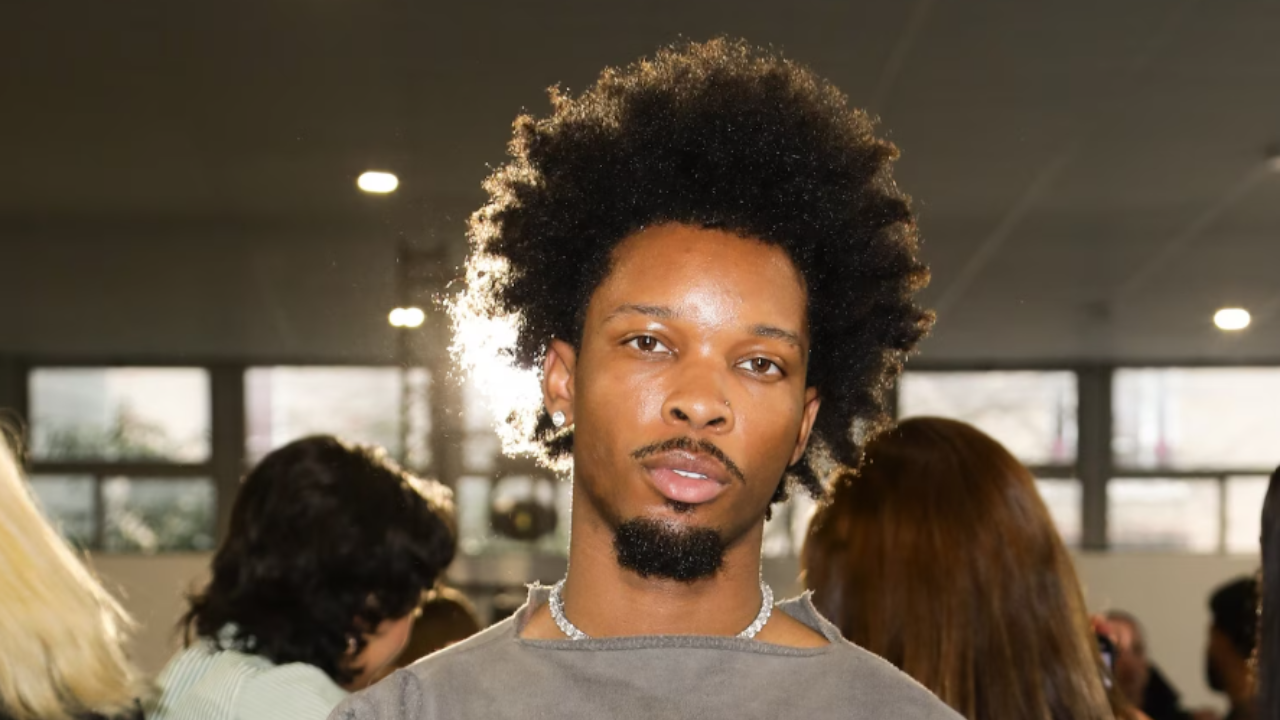
A song is never just a collection of notes. It is a shelter. When an artist sits alone in a dim room, wrestling with grief, anxiety, or the heavy weight of ordinary survival, they build a house out of chords. Noah Kahan built his house out of aching folk melodies and raw, self-deprecating confessions. Millions moved in. They found their own heartbreaks reflected in his lyrics, turning intimate acoustic reflections into anthems of collective endurance.
Then, the walls of that shelter were suddenly repurposed.
Imagine walking past a house you built with your own hands, only to see it painted in colors you despise, hoisted onto a political flatbed, and driven down a highway to advertise a cause you actively oppose. That is the jarring reality that unfolded when a piece of Kahan's music was pulled into the machinery of a political campaign video published by Donald Trump's team.
Silence followed. But it was a heavy, vibrating silence.
Artists pour their blood into digital files, releasing them into the wild ether of the internet, hoping they land in the ears of someone who needs them. They do not release them to become billboards for candidates, parties, or ideologies. When copyright boundaries blur and digital assets are clipped, sampled, and stitched into partisan narratives, the contract between creator and listener shatters.
Kahan did not stay quiet for long. He slammed the White House—and by extension, the political apparatus utilizing his art—with a swift, public rebuke. His frustration was not merely about a stolen melody. It was about consent. It was about the profound violation an artist feels when their vulnerability is co-opted to score cheap points in a cultural war.
We have lived through this script before. Neil Young staring down politicians. Bruce Springsteen repeatedly asking campaigns to stop blaring "Born in the U.S.A." at stadium rallies that miss the song's actual working-class critique. Tom Petty’s estate stepping in to halt the unauthorized use of "I Won't Back Down." Musicians write about the American landscape, the struggles of small towns, and the fractures in our collective psyche, only to watch those exact songs soundtrack the very systems their lyrics often question.
Why does this keep happening?
The answer lies in the mechanics of modern attention. Political campaigns operate like hungry engines, constantly searching for emotional gasoline. Original campaign jingles rarely work anymore; they feel sterile, manufactured, and hollow. Authenticity is the ultimate currency, and mainstream folk and indie tracks possess it in abundance. When a campaign grabs a Noah Kahan song, they are attempting to launder raw human emotion into political capital. They want listeners to transfer the deep empathy they feel for the artist's personal struggles directly onto the candidate on the screen.
It is a psychological sleight of hand.
Consider what happens inside the mind of a dedicated fan. You hear a track that helped you through a brutal panic attack or a lonely winter. Two seconds later, that same chord progression swells beneath a politician stepping off a helicopter. Your brain experiences cognitive whiplash. The sanctuary of the music is compromised. You feel manipulated.
Kahan’s public backlash highlights a growing friction point in the digital age. Social media algorithms encourage rapid clipping. Platforms make it painfully easy for political accounts to grab audio snippets, overlay them onto campaign footage, and broadcast them to millions before copyright flags can even process. By the time a takedown notice is issued, the impression has already been made. The video has already been downloaded, re-uploaded, and baked into the internet's permanent nervous system.
Ownership in the twenty-first century is fragile.
Musicians are finding themselves cast as accidental combatants in a relentless culture war. They just want to play guitar, tell stories, and pay their rent. Instead, they wake up to find their art drafted into service for a side they never enlisted on.
When Kahan spoke out, he wasn't just defending his intellectual property. He was drawing a hard line in the digital sand. He was reminding the world that songs are born from human lungs, not corporate databases or campaign strategy rooms.
The music will outlive the campaign ads. Long after the political edits are scrubbed, archived, or forgotten in the endless digital landfill, people will still turn down the lights in their bedrooms, put on headphones, and listen to a fragile voice singing about the messy business of being alive. Because art belongs to the people who need it to survive, never to the politicians who try to rent it for a minute and thirty seconds of applause.