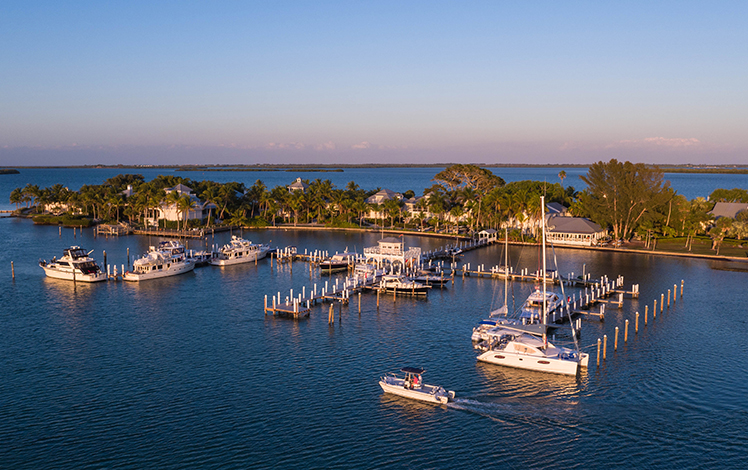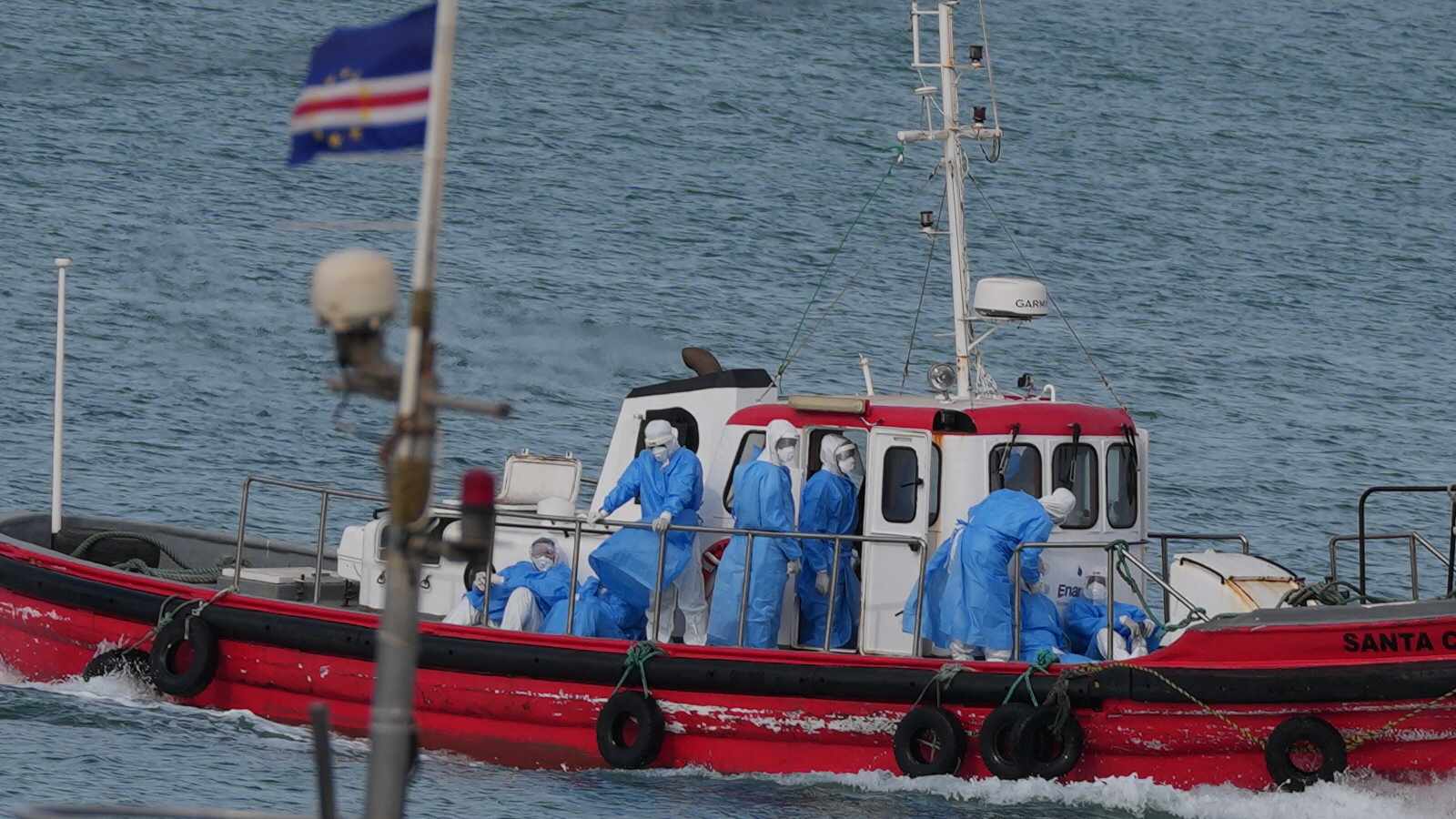
What started as a luxury "Atlantic Odyssey" from Argentina to the South Atlantic has turned into a floating nightmare. The MV Hondius, a polar expedition vessel, is currently the center of a rare and terrifying medical emergency. We’re not talking about a standard stomach bug or a common flu. We’re talking about Andes hantavirus—a pathogen that typically lives in the shadows of rural South America but has now found its way onto a modern cruise ship.
With three deaths already confirmed and more cases emerging, this isn't just a news snippet. It's a high-stakes case study in how quickly an "isolated" virus can disrupt global travel. If you’re planning a trip to remote regions, or even just hopping on a cruise, you need to understand exactly what’s happening on that ship and why the traditional "it won't happen to me" logic doesn't apply here. In related news, take a look at: Why the Hantavirus Cruise Panic is a Symptom of Medical Illiteracy.
The Reality of the MV Hondius Crisis
The timeline is chilling. The ship left Ushuaia, Argentina, on April 1, 2026. Everything seemed fine until an adult male developed a fever and died just five days later. Since then, the situation has spiraled. As of May 8, 2026, we’re looking at eight cases, five of which are laboratory-confirmed.
The tragedy didn't stay on the boat. A Dutch woman who was a close contact of the first victim died after collapsing in a Johannesburg emergency room. This is the part that should make you sit up: hantavirus usually isn't the "airport collapse" type of illness. It’s a slow-burn predator that suddenly accelerates into respiratory failure. WebMD has provided coverage on this important topic in great detail.
The ship is currently idling off the coast of Cabo Verde because local authorities are, understandably, terrified of letting anyone off. It’s a standoff between public health safety and the desperate need for medical evacuation for the remaining sick crew and passengers.
Why Andes Hantavirus is Different
Most hantaviruses are a dead end for the virus. You breathe in dust contaminated by rodent droppings, you get sick, but you don't pass it to your family. The Andes strain—the one confirmed in this outbreak—breaks that rule.
- Human-to-human transmission is real. It’s rare, but it happens. This is why the MV Hondius is such a pressure cooker. In a confined ship environment, the "rare" becomes a daily risk.
- The incubation period is a trap. It can take up to eight weeks for symptoms to show up. That means people who felt perfectly fine when they disembarked in Saint Helena or earlier stops could be ticking time bombs.
- The "Silent" Phase. You start with a headache and some muscle aches. You think it’s just sea sickness or a cold. Then, within hours, your lungs fill with fluid. Doctors call it Hantavirus Pulmonary Syndrome (HPS), and it has a fatality rate that can hit 30% to 50%.
The Contact Tracing Nightmare
Health officials are currently scrambling to find 29 passengers who left the ship early, before the full scale of the outbreak was known. These people are now scattered across 12 countries, including the US, Canada, and Singapore.
This is where the expert advice kicks in: if you’ve traveled to southern Argentina or Chile recently, specifically in rural areas where the long-tailed pygmy rice rat lives, you shouldn't just "watch for symptoms." You need to be hyper-aware of any respiratory change. Most people make the mistake of waiting until they can't breathe to call a doctor. With hantavirus, by the time you're gasping for air, the damage is often too far gone for anything but intensive care and a ventilator.
What the Experts Aren't Saying Loudly Enough
Public health agencies like the WHO and Africa CDC are currently listing the risk to the general public as "low." While that’s factually true for someone sitting in a suburb in London, it’s a bit misleading for the travel community.
The real danger isn't a global pandemic; it's the lack of preparation in remote destination hubs. Cabo Verde isn't equipped to handle a hantavirus surge. Neither is Saint Helena. When we push into "ecologically diverse" regions—the very thing expedition cruises sell—we are entering the home turf of these viruses.
How to Protect Yourself on Your Next Trip
I'm not saying you should cancel your vacation and live in a bubble. I'm saying you need to change how you interact with your environment.
- Don't assume "Luxury" means "Sterile." Even a five-star vessel can't stop a passenger who spent a week hiking in the Andes from bringing a hitchhiker on board in their lungs.
- Be ruthless about rodent hygiene. If you’re staying in a cabin or lodge before a cruise, check for droppings. Don't sweep them—that just kicks the virus into the air. Use a bleach solution to wet them down before cleaning.
- Know the early signs. Forget the cough. Look for "fever, chills, and severe muscle aches in the large muscle groups" like the thighs and back. If that’s followed by sudden nausea or stomach pain, get to a hospital that has an ICU.
- Travel insurance is no longer optional. You need a policy that specifically covers "emergency medical evacuation by air." If the MV Hondius teaches us anything, it's that being stuck on a ship that no port will accept is a logistical and financial black hole.
The MV Hondius is currently heading toward the Canary Islands, hoping Spanish authorities will be more receptive than Cabo Verde. This story is far from over. For the rest of us, it’s a blunt reminder that our reach into the wild corners of the world comes with a biological price. Pay attention to your health, respect the rodents, and don't ignore a "minor" fever when you're thousands of miles from a proper hospital.