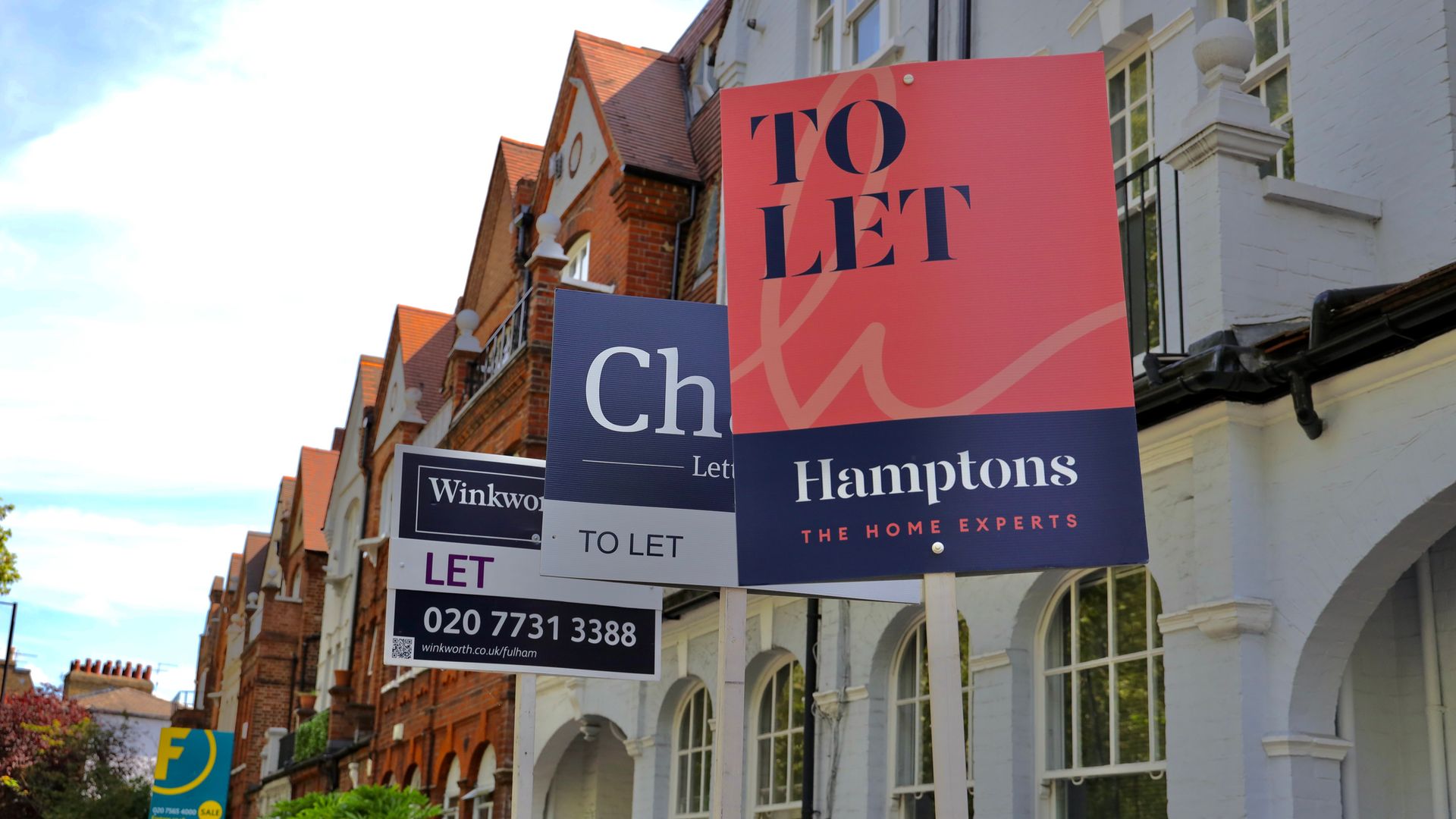
You see the headlines everywhere: rents are plummeting, the market has stabilized, and renters finally have the upper hand. Headlines reference national averages, noting that median rents across the country’s 50 largest metros dropped for dozens of consecutive months. That sounds like a dream if you’re looking for a place.
But if you actually try to sign a lease right now, reality hits you fast.
The "stabilizing" rental market is a statistical illusion. In cities where people actually want to live and work, asking rents are carving out aggressive, historical peaks. There's a massive, painful gap between national charts and local street-level realities. The national average is dragged down by a construction boom in the Sun Belt, while classic economic hubs are suffocating under a severe inventory drought.
The Split Screen Market
To understand why your apartment search feels so difficult, look at the divergence between supply-rich metros and supply-starved hubs.
Over 600,000 new apartments flooded the market recently, mostly concentrated across the Sun Belt. Because of this massive supply injection, cities like Austin, Texas saw rents drop by over 6%. Denver fell by nearly 5%. If you're renting in Phoenix or Atlanta, you have actual leverage. You can negotiate, demand concessions like a free month of rent, and take your time.
Then you look at the other side of the coin.
In New York City, the rental market is at "DefCon 1" levels of affordability. The median Manhattan rent recently hit an astronomical record of $5,295 per month. Brooklyn hit an all-time high of $4,350. If you want to move into a new place in NYC, the gap between what current tenants pay and new asking rents exceeds $1,700 a month citywide.
This isn't just a New York problem. Cities like San Jose, California saw median asking rents climb to a record $3,423. Boston is sitting at nearly $3,000.
When inventory dries up, spaces get leased in days, not weeks. Manhattan listings fell by 16% year-over-year. Available properties are snapped up almost instantly, leaving renters with zero room to negotiate.
Why the Cost Distribution Shifted Permanently
It's tempting to blame greedy landlords, but the structural forces run much deeper. The cost of building and maintaining multifamily housing has escalated. Higher interest rates, skyrocketing property insurance premiums, and elevated material costs mean developers can't afford to build cheap housing.
The Harvard Joint Center for Housing Studies pointed out a massive, permanent upward shift in rent distribution. Over the last decade, the US added nearly 12 million units renting for $1,400 or more, while low-cost units practically vanished from the market.
Additionally, the insanely high cost of homeownership is keeping higher-income households in the rental pool. People who would typically buy a starter home are priced out by mortgage rates and lack of inventory. They stay put in high-end rentals, driving up competition and prices for everyone else.
How to Land an Apartment in a High-Demand Market
If you are hunting in a city where asking rents are setting records, you can't approach the search casually. You need to treat it like a competitive sport.
First, prepare your financial package before you view a single unit. In fast-moving markets, landlords won't wait for you to track down tax returns or pay stubs. Have a single PDF ready on your phone containing your last two tax returns, three recent pay stubs, a bank statement showing sufficient funds, and a copy of your photo ID.
Second, leverage hyper-local alerts. Relying on weekly digest emails from aggregate listing sites means you're already too late. Set up real-time push notifications on platforms where listings are updated directly by brokers or landlords. If a great unit pops up, try to see it that day.
Third, understand your local rent laws. Some states and cities have strict caps on rent increases for lease renewals, while others have none. For instance, California limits annual increases to 5% plus CPI for covered units, while Oregon caps them at 9.5%. Knowing these rules helps you decide if it's smarter to stay put and absorb a modest renewal increase, or risk entering the brutal open market where asking rents are uncapped.
If you find a place that fits your budget and meets your core needs, apply on the spot. Waiting for a weekend to "think it over" is the easiest way to lose an apartment in a record-high market.