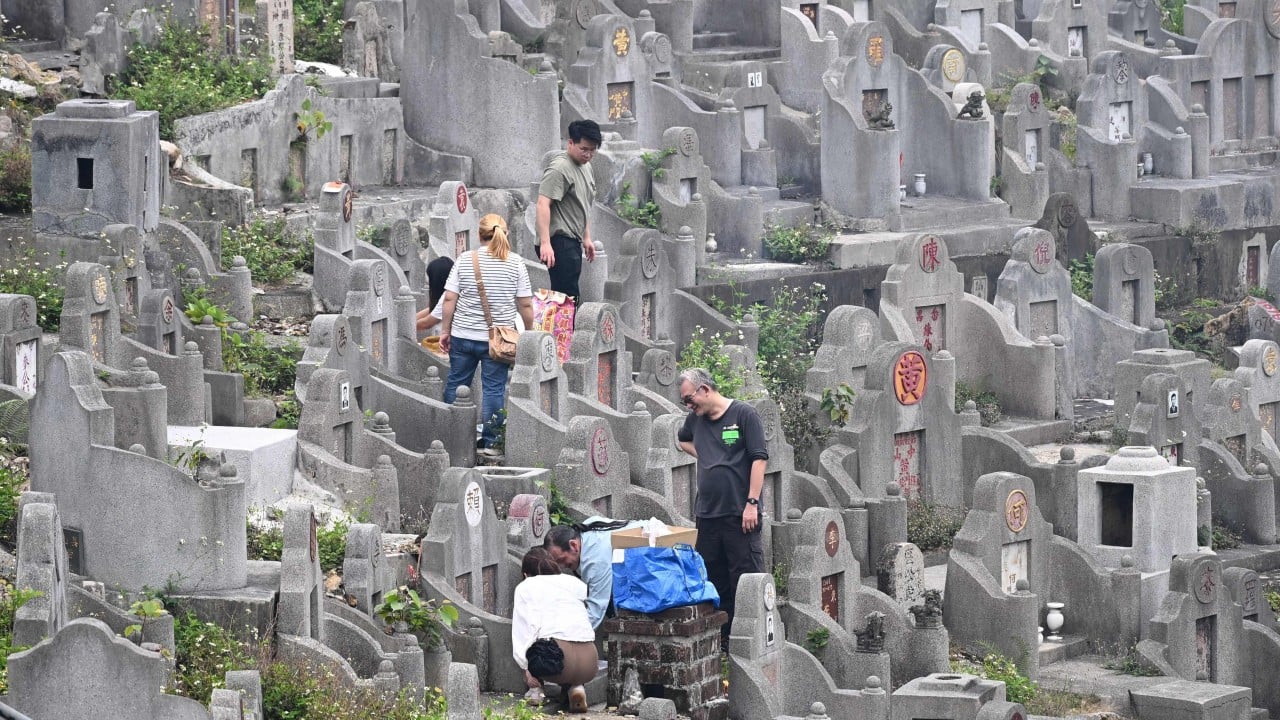
China is witnessing a calculated revival of the Ching Ming Festival, known as Tomb-Sweeping Day. While external observers often view this as a simple return to tradition, the reality is a sophisticated merger of state-driven narrative and genuine youth identity seeking. Young Chinese citizens are no longer just performing the grim duty of cleaning graves; they are reclaiming the holiday as a badge of cultural superiority and national pride. This shift represents a departure from the Westernized consumerism that dominated the early 2000s, signaling a deeper domestic pivot toward "Hanfu" fashion, ritualistic tea ceremonies, and a rejection of imported secular values.
The Death of the Western Weekend
For decades, the Chinese middle class measured its success by how closely its leisure time mirrored the West. Holidays were for shopping, overseas travel, and high-end dining. Ching Ming was an inconvenient obligation—a dusty trip to a cemetery that got in the way of a three-day mall crawl. That era is over. If you found value in this post, you should read: this related article.
Data from recent domestic travel cycles shows a massive uptick in "red tourism" and traditional site visits among people born after 1995. This is not accidental. The government has prioritized the elevation of traditional festivals to combat the perceived "spiritual pollution" of Western holidays like Christmas or Valentine’s Day. By rebranding Ching Ming as a moment of "cultural confidence," the state has given young people a socially sanctioned way to express their identity.
The youth are biting. They are trading Nike sneakers for silk robes and Starbucks for hand-pressed green tea. This is the new currency of cool in cities like Chengdu and Hangzhou. It is a rebellion against the globalized blur, a way to stand on solid ground when the economy feels shaky and the future uncertain. For another look on this event, refer to the recent coverage from NPR.
Ritual as a Political Statement
Tradition serves as an anchor. When young people burn joss paper or offer food to ancestors today, they are doing more than honoring the dead. They are participating in a communal act that separates them from the rest of the world. In the current geopolitical climate, "Chinese-style" living has become a form of soft resistance.
The Rise of New Chinese Style
Walk through a park during the spring festival and you will see the "New Chinese Style" (Xin Zhong Shi) in full force. It is a fashion movement that blends modern silhouettes with Ming and Song dynasty aesthetics. To the uninitiated, it looks like a costume party. To the participants, it is a rejection of the fast-fashion cycle dominated by European brands.
This aesthetic choice carries weight. It says that China has its own standards of beauty and its own history to draw from. During Ching Ming, this becomes particularly pointed. The act of sweeping a grave—once seen as a backwards, rural superstition—is now framed as an act of "filial piety," a core Confucian value that is being aggressively promoted to stabilize the social fabric.
The Business of Ancestor Worship
The commercial sector has pivoted with remarkable speed. Smart companies realized that they can no longer sell products on "International" appeal alone. They have to wrap their goods in the flag.
- Tea Markets: Premium pre-rain Longjing tea prices have spiked as young consumers flock to "tea-tasting" experiences that feel more authentic than a coffee shop.
- Virtual Graves: Technology companies have built elaborate "cloud sweeping" platforms. While these were born of necessity during the pandemic, they have evolved into high-tech shrines where users can purchase digital offerings.
- Traditional Crafts: Artisans who once struggled to find apprentices are now seeing a surge in interest for woodblock printing and silk weaving.
This isn't just about nostalgia. It is about market share. Brands that fail to integrate traditional elements into their Ching Ming campaigns are finding themselves sidelined. The "Guochao" (national tide) trend has moved from a niche interest to the dominant market force.
A Quiet Rejection of the Global Order
We have to look at what this cultural confidence is replacing. By leaning into the specific, localized rituals of Ching Ming, the younger generation is effectively opting out of the "Global Citizen" archetype. The dream of being a cosmopolitan elite who is at home in London, New York, or Shanghai has soured.
Instead, they are finding meaning in the soil. There is a psychological comfort in the repetition of ancient rites. In an era of high youth unemployment and intense professional pressure (the "996" culture), the slow, deliberate pace of traditional festivals provides a sanctuary. It is a temporary escape from the hyper-competitive present into a glorified past.
The Myth of the Monolith
It would be a mistake to assume this is entirely top-down or entirely uniform. There are cracks in the "cultural confidence" narrative. For some, the return to tradition is a performative act for social media—a "Xiaohongshu" aesthetic designed to garner likes rather than a deep spiritual connection.
Furthermore, the rural-urban divide remains massive. While urban youth wear expensive silk and sip high-grade tea, the reality of Ching Ming in the countryside remains a gritty, often impoverished affair. The "rebranding" of the holiday is largely an urban phenomenon, a luxury of the educated classes who have the time and money to curate their "Chinese-ness."
The Weight of the Past
The state’s role in this cannot be overstated. By folding Ching Ming into the broader "China Dream" narrative, the authorities have turned a day of mourning into a day of national strength. Museums, schools, and state media outlets work in concert to ensure that the "correct" interpretation of history is being honored.
This creates a tension. When tradition is used as a tool for national unity, it loses some of its organic, messy humanity. It becomes a polished version of the past, edited for modern consumption. The rituals that survived for centuries because they were meaningful to families are now being asked to carry the weight of an entire civilization's comeback.
The Problem with Forced Authenticity
There is a risk that this movement becomes a hollow shell. If the focus remains solely on the "confidence" and the "aesthetic," the actual philosophy behind these traditions may be lost. Filial piety is not just about a photo op at a tomb; it is about a lifelong commitment to family and social order. In a society where many young people are choosing not to marry or have children—the "lying flat" movement—there is a direct contradiction between the values they are celebrating on Ching Ming and the lives they are actually leading.
This contradiction is the most fascinating part of the modern Chinese identity. They are embracing the symbols of a traditional family structure while simultaneously breaking away from its demands. They are sweeping the graves of their ancestors while deciding not to produce the next generation of descendants.
The Silent Evolution of the Holiday
The most significant change isn't the clothes or the tea. It is the shift in the emotional tone of the day. Ching Ming used to be a somber, private affair. Now, it has a celebratory, almost defiant energy. It is a public display of belonging.
As the West continues to struggle with its own internal cultural divisions and a sense of declining purpose, China is doubling down on its heritage. The Ching Ming Festival has become a laboratory for this experiment. It is where the old world meets the new, and where the state's vision of a proud, unified China is being stress-tested by a generation that is both more connected and more nationalistic than its predecessors.
The youth are not just following the old ways. They are weaponizing them. They have realized that in a world where everyone looks the same, there is power in being different. By looking backward to the Ming and Qing dynasties, they believe they have found the map to their future.
Whether this cultural pivot can actually solve the deeper social anxieties of the generation is another matter entirely. For now, the incense is burning, the tea is pouring, and the world is watching a nation try to find its soul in the shadows of its ancestors. The grave sweeping has become a cleanup of the national psyche.