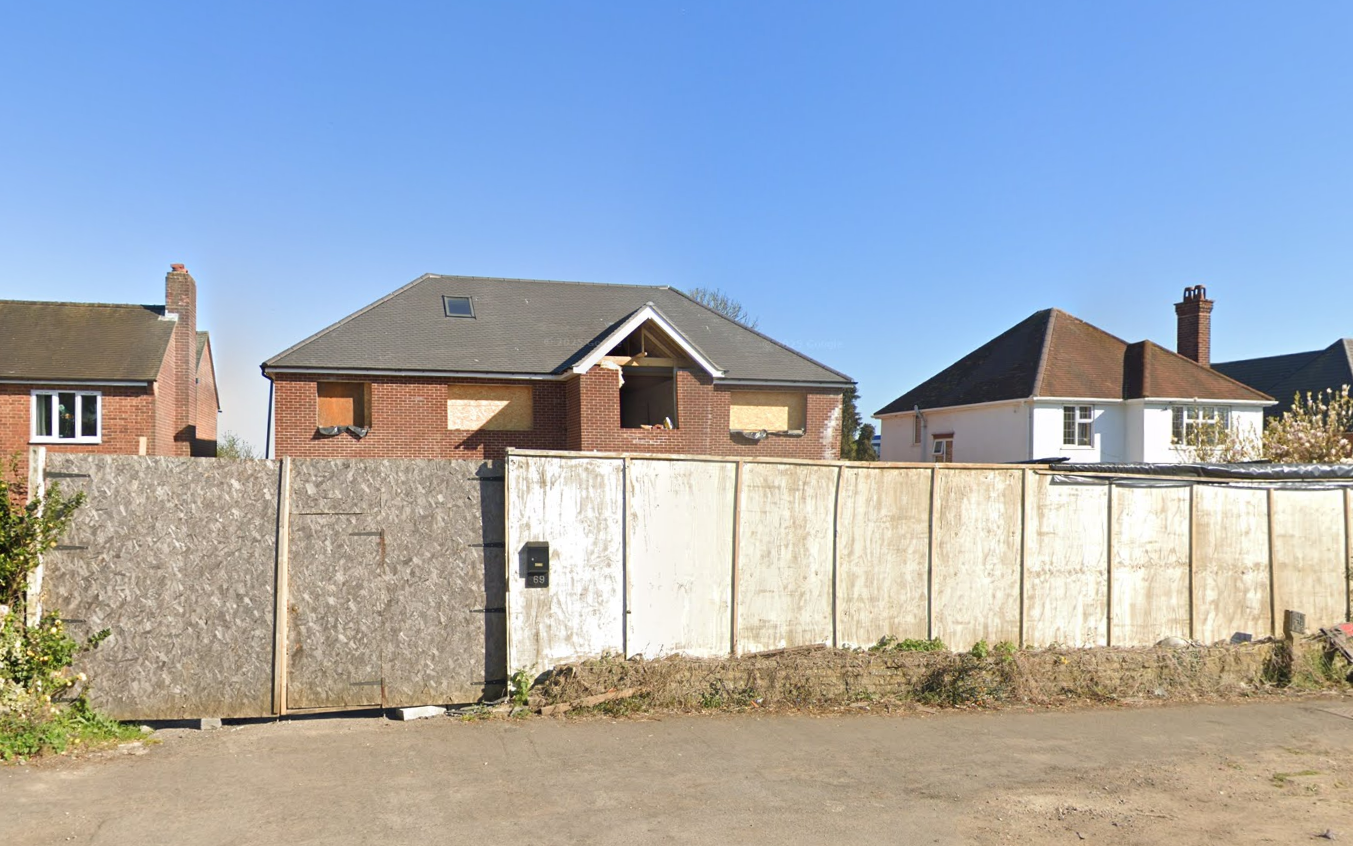
The neighbors are clutching their pearls. The local Facebook group is a digital bonfire of NIMBY rage. A developer bought a derelict 1950s bungalow, razed it, and erected a glass-and-steel monolith that looks like a high-end router or a Bond villain’s weekend retreat. The headlines call it an "eyesore." The community calls it a "tragedy."
They are both wrong.
What the pearl-clutchers call an eyesore, I call a necessary disruption of the architectural stagnation killing our suburbs. The outrage isn't about aesthetics. It is never about aesthetics. It is about a desperate, dying grasp on the "character of the neighborhood"—a coded phrase used to mask the enforcement of property value cartels and the suppression of individual property rights.
I have spent twenty years watching planning committees stifle innovation. I have seen billion-dollar projects derailed because a man in a beige cardigan didn't like the shade of grey on the cladding. It is time to stop pretending that "neighborhood harmony" is a civic virtue. It is a leash.
The Myth of Architectural Cohesion
The "eyesore" narrative relies on the fallacy that a street should look like a matching set of dinner plates. This logic is a relic of the post-war housing boom, where cookie-cutter Levittowns were sold as the pinnacle of the American Dream.
When a neighbor screams that a new mansion "doesn't fit in," they are arguing for the preservation of a museum, not a living community. Architecture is a chronological record of progress. If every building "matched" its predecessor, we would still be living in mud huts or Victorian draft-boxes with no indoor plumbing.
Historical preservation has its place for truly unique landmarks. But your average suburban street? It is not the Louvre. It is a collection of depreciating assets. When a homeowner invests millions to build a modern structure, they are injecting capital and vision into a stagnant area. They are the only ones actually betting on the future of the zip code while everyone else is trying to freeze the past in amber.
Property Rights Are Absolute (Or They Mean Nothing)
Let’s talk about the uncomfortable truth: If you don't own the lot, you don't get a vote on the facade.
We have allowed a culture of "aesthetic socialism" to take root. People believe that by virtue of living within a three-mile radius of a property, they have a moral claim to what that property looks like. They don't.
- Scenario A: You paint your front door neon pink. Your neighbor hates it. Does their distaste negate your right to buy paint?
- Scenario B: You build a $5 million brutalist masterpiece on a street of ranch houses. Does their "visual discomfort" outweigh your $5 million investment?
The answer, if we value liberty, is no. The moment we prioritize the "feelings" of a neighborhood over the legal rights of a titleholder, we have effectively socialized private property without the government actually paying for it.
I’ve seen developers walk away from entire cities because the "discretionary review" process became a gauntlet of subjective whims. When "character" becomes a legal requirement, corruption follows. It creates a system where the loudest, crankiest residents—usually those with the most time to attend Tuesday morning council meetings—dictate the evolution of the city.
Why Your Property Value Isn't Their Problem
The most common weapon in the NIMBY arsenal is the claim that an "eyesore" will tank local property values.
Show me the data.
In reality, the opposite is true. Gentrification, for all its social complexities, is driven by "eyesores." High-value, modern construction signals to the market that an area is worth significant investment. One glass mansion on a block of decaying brick houses doesn't lower the floor; it raises the ceiling. It resets the comps. It tells appraisers that the land is now worth a premium.
The neighbors aren't actually afraid their house will be worth less. They are afraid their house will look older. They are afraid of the glaring contrast between a 21st-century dwelling and their own deferred maintenance. The "eyesore" is a mirror, and they hate what they see in the reflection.
The Environmental Cost of Nostalgia
The irony of the "eyesore" row is that the modern mansions being protested are almost always significantly more sustainable than the "charming" houses they replace.
Older homes are energy sieves. They have poor insulation, outdated HVAC systems, and windows that leak heat like a sieve. Modern architecture utilizes high-performance glazing, solar integration, and smart-grid technology.
When a neighborhood blocks a modern build in favor of "preserving the look," they are literally choosing higher carbon emissions for the sake of a pretty view. They are prioritizing a 1920s aesthetic over 2026 climate realities. It is the height of hypocrisy to claim you care about the planet while filing an injunction against a LEED-certified home because the roof is too flat.
The Brutal Truth About "Community Consultation"
Most "community consultation" periods are theater. They are designed to give residents a sense of agency they do not actually possess—and shouldn't.
I have sat in rooms where residents argued that a new house shouldn't be built because it would "block the sun" for three minutes a day on a sidewalk they never walk on. I’ve heard arguments that modern materials "scare the local birds."
This isn't civic engagement. It’s an exercise in weaponized boredom.
If we want to solve the housing crisis—and yes, even luxury mansions are part of the housing ecosystem because they free up the mid-tier stock—we have to strip away the "subjective beauty" clauses in zoning laws. A building should be judged on its safety, its utility, and its adherence to clear, objective setbacks. Anything else is just legalized bullying.
The Downside of the Disruptor
Is every modern mansion a masterpiece? Of course not. Some are objectively hideous. Some are built by people with more money than taste, resulting in "McMansions" that are poorly proportioned and aggressively loud.
But that is the price of a free society.
The freedom to build something beautiful necessitates the freedom to build something ugly. If you want a world where nothing is ever "out of place," go live in a gated community with a 400-page HOA manual that dictates the exact species of grass you're allowed to grow. Most people who complain about these mansions would hate the reality of living under the thumb of the very regulations they are calling for.
Stop Asking "Is It Pretty?"
The next time you see a headline about an "eyesore" mansion, ask a different set of questions:
- Is it legal? If it meets the zoning code, the debate should be over.
- Is it progress? Is it a higher-value use of the land than what was there before?
- Is it theirs? Does the person who paid for the land get to decide what to do with it?
The obsession with "neighborhood fit" is a trap. It is a recipe for stagnation, a barrier to environmental progress, and a violation of the fundamental right to do what you want with what you own.
If you hate the mansion next door, don't call the city council. Don't start a petition. Buy the lot next to it and build something you think is better. Or, better yet, close your blinds and mind your own business.
The "eyesore" isn't the house. It's the entitlement of the people living around it.