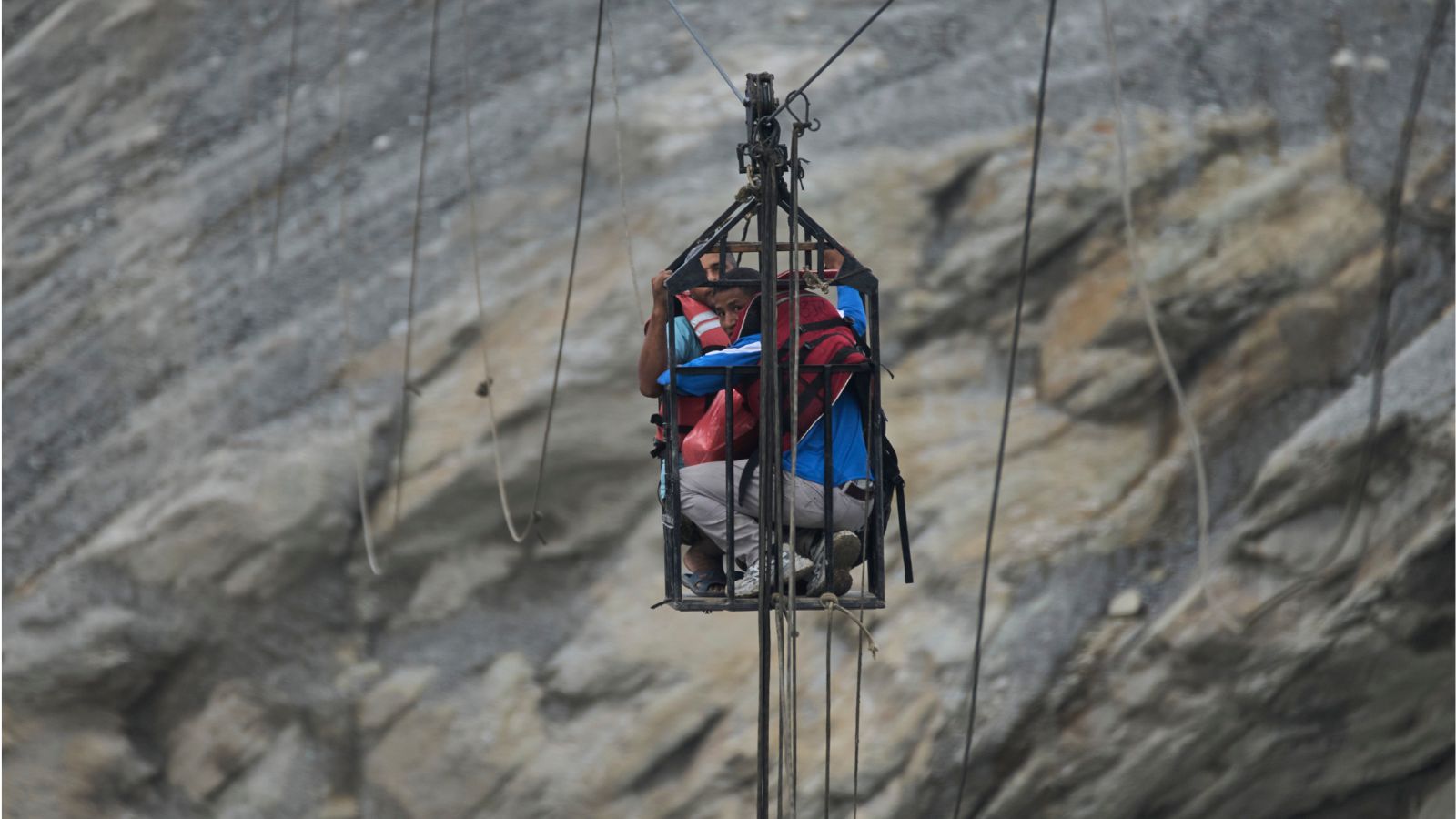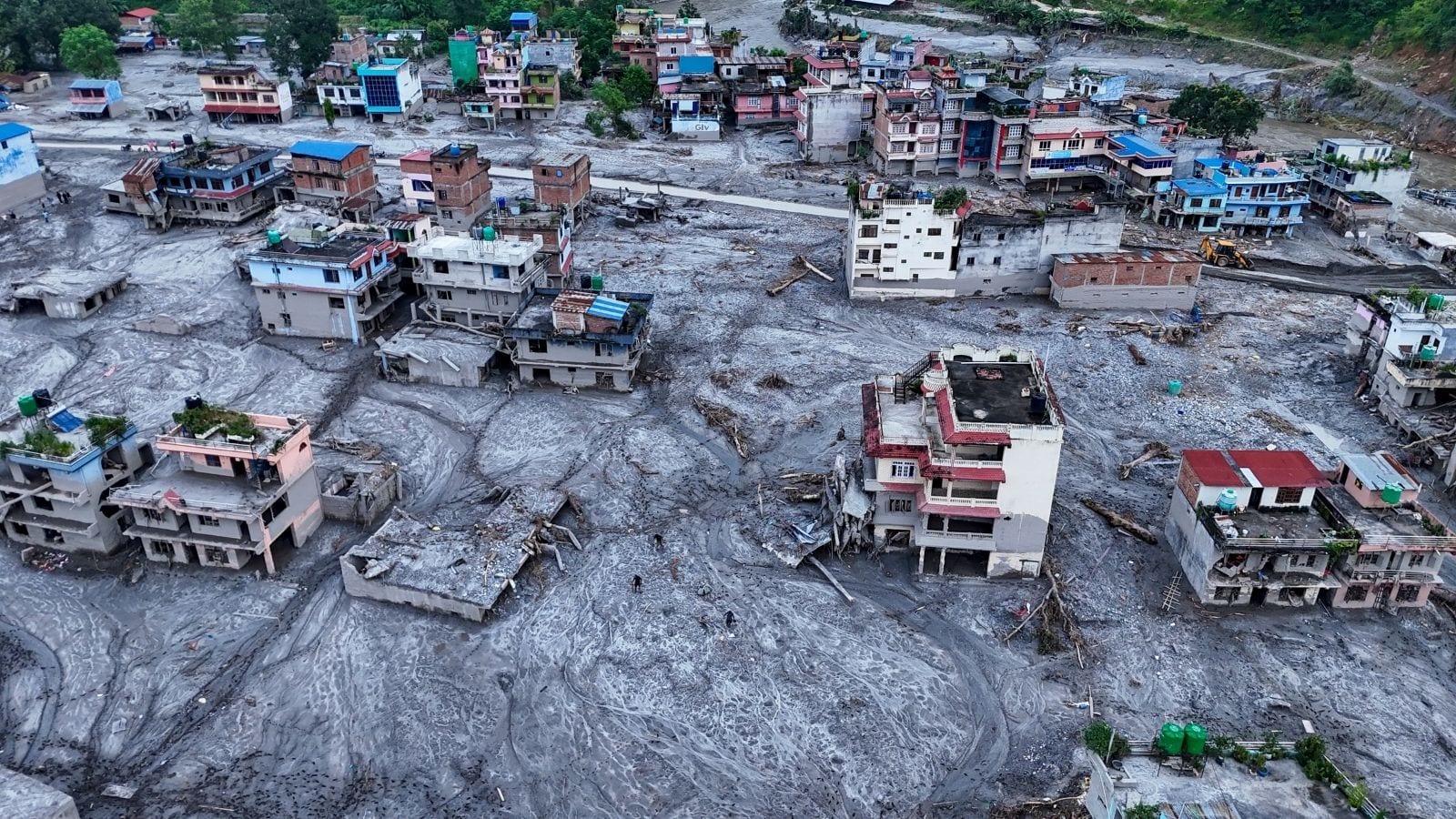
Covering a natural disaster is messy, dangerous, and chaotic. When catastrophic flash floods triggered by an ice-rock avalanche near the Nepal-Tibet border slammed northern and central Nepal on August 26, the human cost was staggering. With over 1,300 lives lost and roughly 5,000 people still missing, rescue workers faced an overwhelming crisis. Amid this ongoing emergency, Nepal's government stepped in with a heavy hand.
The National Disaster Risk Reduction and Management Authority, alongside the Ministry of Information and Communication, published a strict media safety and operational protocol. If you plan to report from the flood zones along the Bhotekoshi and Trishuli rivers, you can't just grab a camera and walk into the disaster area anymore. The rules changed overnight.
What the New Media Protocol Demands
The guidelines apply immediately to all reporters hitting the ground. Chaos on the front lines forces officials to corral the press, whether journalists like it or not.
Under the new directives, you must carry valid press identification at all times. You aren't allowed to wander wherever you please. Security and rescue personnel hold absolute authority over movement. If they point you down a specific path or order an evacuation, compliance is mandatory.
Active rescue zones are completely off-limits without explicit permission. Obstructing emergency operations or sneaking into restricted operational zones will get your credentials pulled instantly. Reporters are also explicitly banned from crossing the international border or ignoring directions from security officials.
The Tightened Screws on Foreign Correspondents
Foreign journalists face an entirely separate and much heavier administrative hurdle. The Department of Information and Broadcasting rolled out a strict mandate requiring foreign reporters to secure a specialized Press Accreditation and Journalist Identity Card.
You can't just show up with a passport. The application process requires online submission through the department's portal, demanding a mountain of paperwork:
- A scanned copy of your passport with a valid visa or entry permit.
- An official recommendation letter from your media organization addressed directly to the department.
- A formal recommendation from your home country's embassy, consular office, or foreign ministry.
Once approved, this special accreditation card remains valid for a maximum of just 15 days. Authorities set up a dedicated help desk at the department to field applications, but the bureaucratic friction is real.
Safety Measure or Press Censorship
Governments always frame these restrictions as safety precautions. To be fair, reporting in a post-flood environment where swollen rivers and unstable terrain threaten lives is genuinely hazardous. Debris flows and barrier lakes create unpredictable threats. Rescue teams have enough on their plate without pulling reckless reporters out of danger zones.
Critics and independent media watchdogs, however, often look at mandatory accreditation with a skeptical eye. When a government controls who gets a 15-day press card and who doesn't, the line between protecting journalists and managing the narrative blurs. Independent verification of relief distribution and casualty counts requires unfiltered access. When access depends on diplomatic paperwork and government sign-offs, accountability gets complicated.
If you are heading into the region, expect delays. Get your paperwork filed early, keep your physical press ID visible, and listen to the security forces on the ground. Operating outside these boundaries won't just get you kicked out of the zone—it might get someone hurt.