Massive flash floods hit the Himalayan nation, leaving hundreds of people dead and scores of infrastructure projects completely shattered. Right now, the Ministry of External Affairs confirms that 288 Indian nationals remain uncontactable. If you are looking for real answers about what happened, where people are stranded, and how rescue efforts are unfolding, you are in the right place.
Communication lines across the hardest-hit regions are totally down. That explains why families back home are panicking. Let's look at the actual breakdown of who is missing, where the rescue operations stand, and what the Indian government is doing on the ground.
Where the Missing Indians Are Located
The situation is changing by the hour. The MEA categorization shows that the uncontactable individuals are spread across specific vulnerable zones and travel groups.
- Trishuli-1 Power Project: At least 73 Indian workers employed at this hydroelectric site are currently uncontactable.
- Pilgrim Groups: Separate travel batches from Tamil Nadu, West Bengal, and Kerala who went for the Kailash Mansarovar Yatra got caught in the deluge. This includes dozens of travelers who booked through agencies like Samrat Travels and Fly Everest.
- The Tibet Border Factor: Around 200 Indians are currently stranded on the Chinese side of the border in Tibet, with many trying to push through Darchen and Hilsa. Some individuals reported missing in Nepal may actually be safe or stuck across the border due to blocked mountain passes.
The Indian Embassy in Kathmandu is working directly with project heads and local Nepali administrators to cut through the confusion.
The Rescue Response and Ground Reality
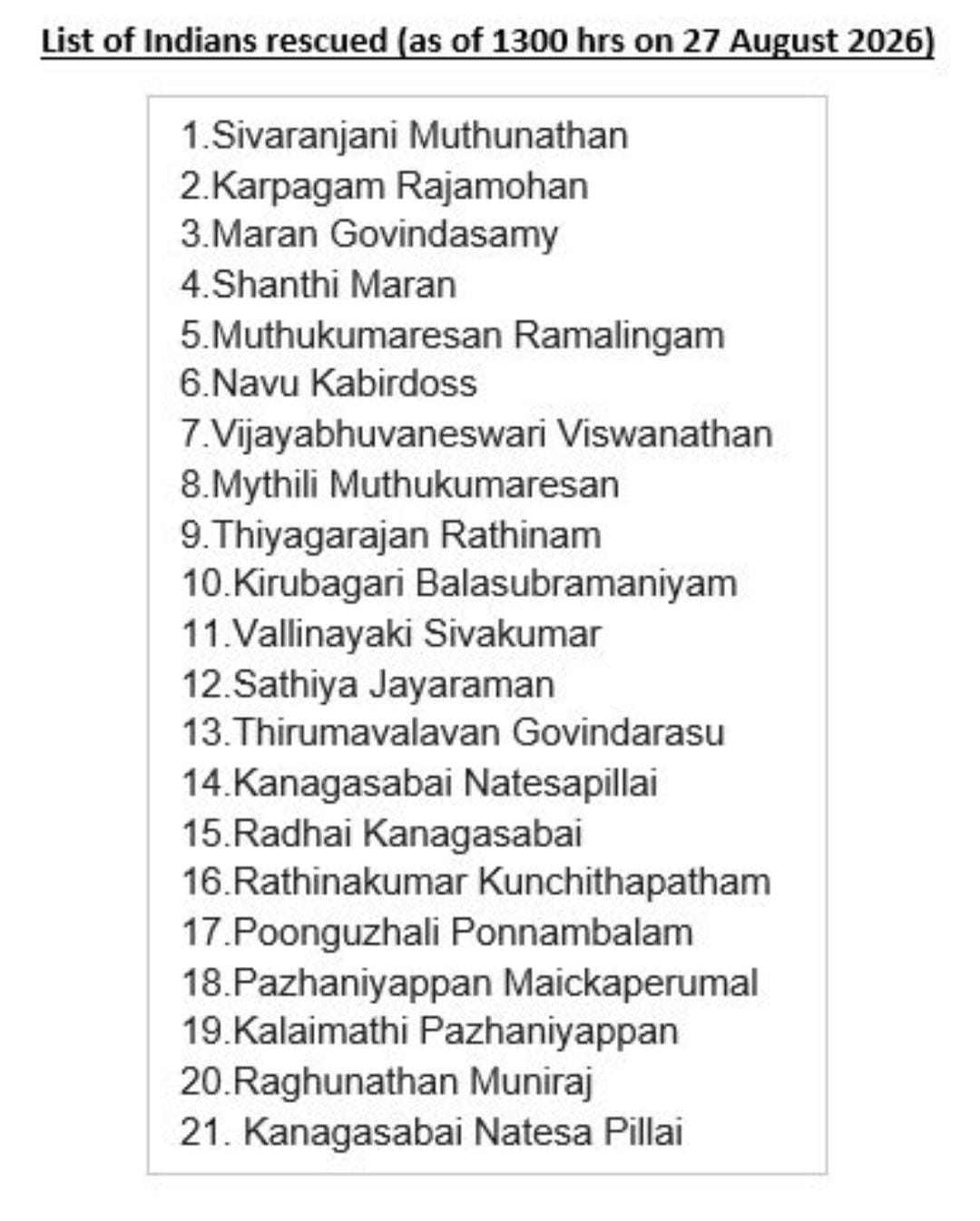
Amid the chaos, some positive updates are emerging. Twenty-one Indian nationals—all from Tamil Nadu—were successfully rescued. Authorities are arranging their transit back home via Kathmandu.
India has also ramped up its humanitarian assistance and disaster relief operations. Military transport aircraft like the C-130J and C-17 have already flown multiple sorties into Kathmandu, delivering tens of tonnes of emergency supplies. These shipments include essential medicines, temporary shelters, solar lamps, and dry food rations for displaced families.
However, rescue teams face massive hurdles. Destroyed bridges, washed-out roads, and continuous debris flows in districts like Rasuwa have slowed down ground movement.
Emergency Helplines You Can Use Right Now
If you have relatives or friends caught in the affected zones, stop relying solely on unverified social media forwards. Official channels are operational around the clock.
The Ministry of External Affairs has established a dedicated 24-hour control room in New Delhi. You can reach them directly via telephone at +91 11 2308 8718 or +91 11 2308 8719, or send WhatsApp messages to +91 9968291988.
For direct coordination inside Nepal, the Indian Embassy in Kathmandu is fielding urgent queries at +977 985 131 6807 and +977 970 910 7500. If your family members are stuck on the Tibetan side of the border, the Indian Embassy in Beijing has activated a WhatsApp helpline at +86 185 1428 4905. Keep your details specific, including passport numbers and last known locations, to help officials trace them faster.