Rescue teams are pulling survivors caked in dark brown mud out of collapsed structures while helicopters fight heavy winds to airlift the trapped. The death toll from the catastrophic flash floods sweeping across Nepal and the Tibet border has climbed past 530, with hundreds more still unaccounted for.
This isn't just another seasonal monsoon story. Scientists and local authorities are scrambling to address a disaster born from high-altitude devastation that caught entire communities completely off guard. If you are tracking the Nepal catastrophe or trying to reach loved ones in the region, the reality on the ground is far more complex than initial headline numbers suggest.
What Actually Triggered the Flash Floods
You might wonder how a flood of this magnitude happens so quickly. It didn't just rain hard.
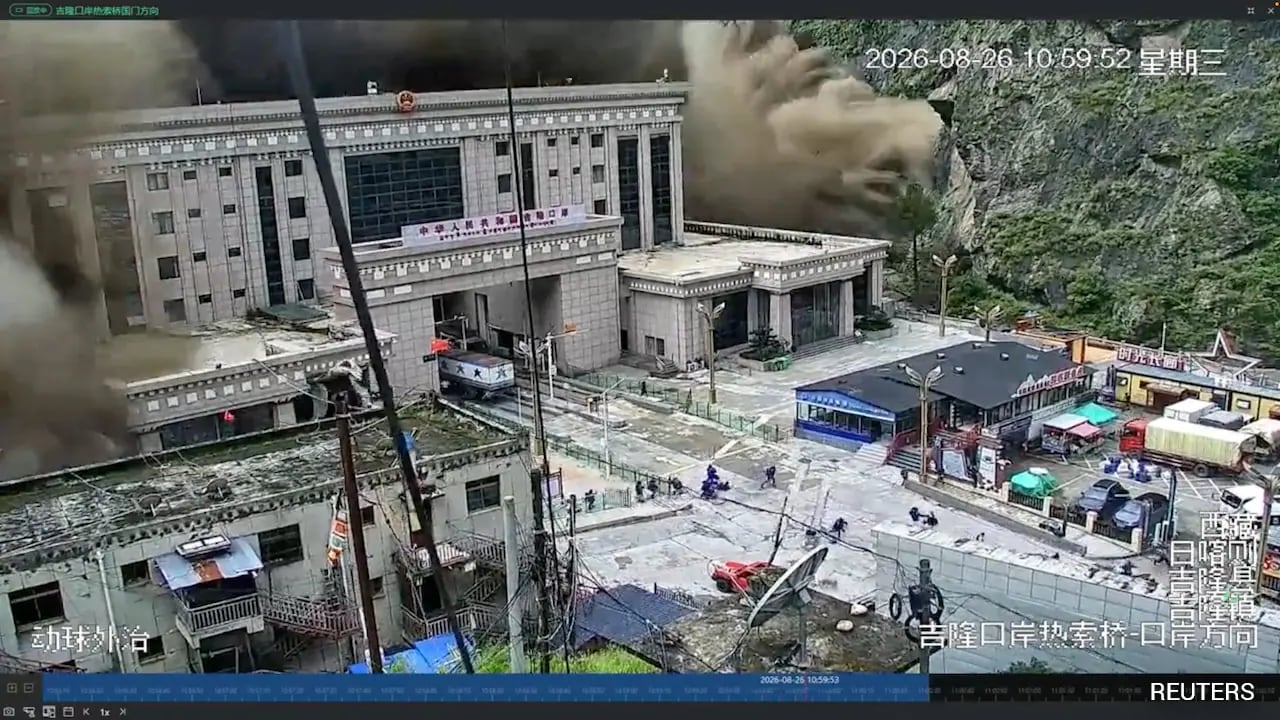
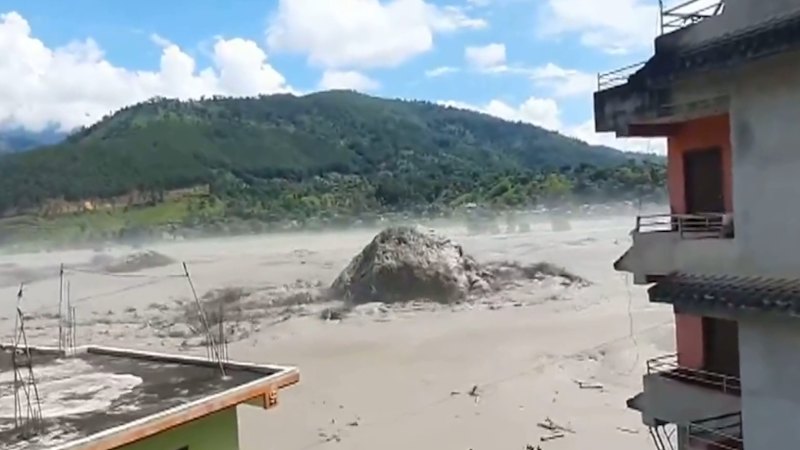
Researchers analyzing satellite data point to a massive structural collapse high up in the Himalayas. Bedrock underneath a major glacier gave way, triggering a massive rockfall so violent it registered as a magnitude 5.2 seismic event. That raw tonnage of rock and melted ice crashed down into the valleys below, instantly swelling rivers and turning them into destructive walls of water and debris that wiped out roads, bridges, and hydropower stations in seconds.
When the torrent hit populated areas near the border crossing at Gyirong Port and the Rasuwa district, people had minutes—sometimes seconds—to react.
The Mounting Toll and Missing Foreigners
The official numbers keep shifting upward as rescue workers penetrate deeper into isolated zones. Nepal’s National Disaster Risk Reduction and Management Authority puts the confirmed death toll at 538, with close to a thousand people still officially missing. Local police forces report even higher numbers, and five deaths have been confirmed on the Chinese side of the border.
The crisis carries an international dimension that has triggered global anxiety. Thousands of tourists, migrant workers, and pilgrims were in the area. Many travelers head toward the border region to trek or make a pilgrimage to Mount Kailash.
Foreign governments are scrambling for answers. Citizens from numerous countries, including roughly 90 Americans, have been marked as out of contact or unaccounted for. Families thousands of miles away are relying on fragmented social media updates and desperate phone calls to find out if their relatives caught in the flash floods made it to higher ground.
The Looming Threat of Barrier Lakes
Finding survivors is only half the battle. Emergency responders are now fighting a ticking clock against secondary natural hazards.
A massive barrier lake formed high in the mountains after the initial debris blocked natural river flows. Authorities in both Nepal and China issued urgent warnings as this high-altitude lake began overflowing. Reports of a dam bursting on the Tibet side have forced rescue personnel to temporarily halt operations in certain sectors and run for cover.
This creates a brutal operational nightmare. Rescuers cannot dig through thick layers of mud or safely search tunnels—such as the sites at the Upper Trishuli-1 Hydropower Project where workers were trapped—while facing the immediate threat of a secondary wave.
What Recovery Efforts Look Like Now
Over 14,000 security personnel have been deployed alongside civilian volunteers. Helicopters have airlifted thousands of stranded individuals to safety, but rough terrain, washed-out infrastructure, and blocked access roads mean heavy machinery cannot reach the worst-hit pockets.
Rescuers are literally walking miles by foot or deploying rafts just to reach stranded villages. Drones are being used to spot survivors where foot patrols can't safely tread.
If you are trying to find information on missing family members, official channels through local embassies and the Nepal Police disaster desks are your primary lifeline, though communication lines remain spotty. Expect the recovery phase to take weeks, and prepare for the death toll to rise further as crews finally clear the dense mud choking the mountain valleys.