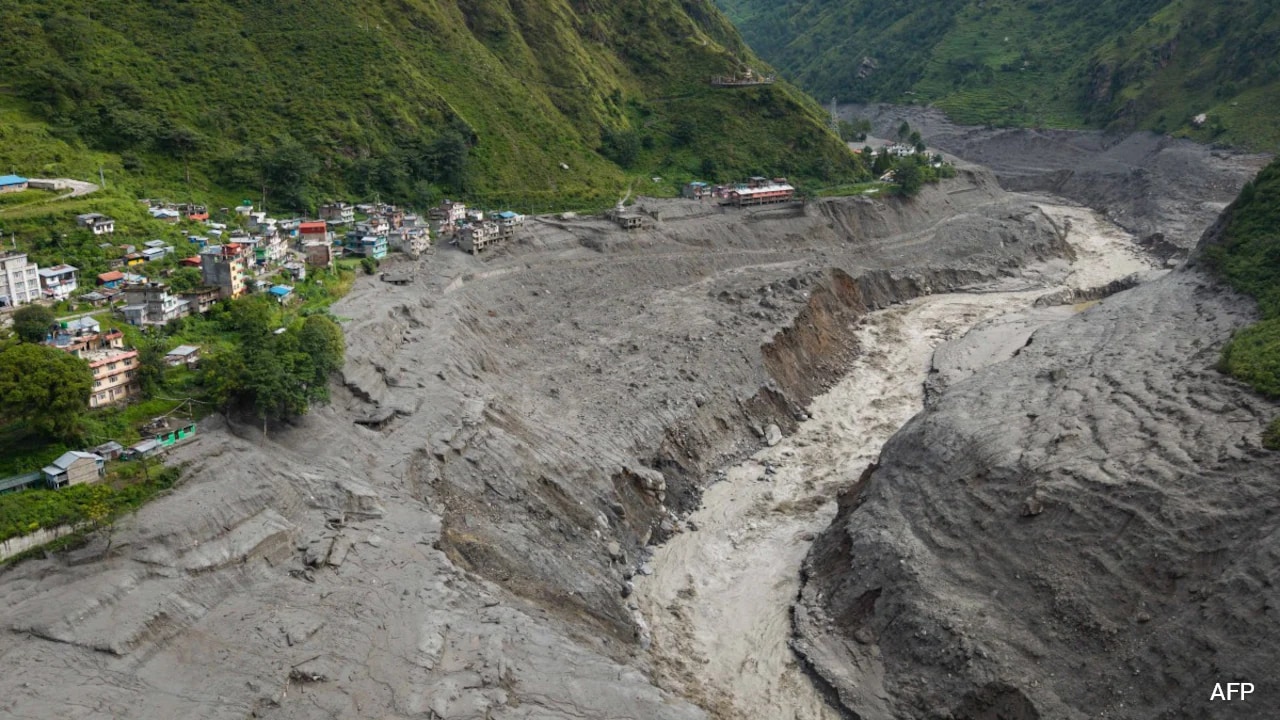
The conventional narrative around Nepal is a lazy emotional trap. Mainstream analysts look at the Himalayas, point to an economy running on micro-hydropower and traditional agriculture, and declare it a climate martyr. The lazy consensus goes like this: Nepal emits almost nothing, yet it suffers billions in catastrophic climate costs from melting glaciers, erratic monsoons, and flash floods. Poor Nepal. Rich carbon polluters caused the damage. Pay up.
It is a neat story. It is also completely wrong.
I have spent the last decade watching international climate finance flow into developing nations, and what I see in Kathmandu is not a tragedy of emissions injustice. It is a masterclass in moral hazard. The entire framework of attributing local ecological mismanagement to global carbon metrics is a financial shell game. It lets corrupt bureaucrats and short-sighted planners off the hook while green-washing systemic municipal failure under the comforting umbrella of climate victimhood.
Let us dismantle the mythology piece by piece.
The Carbon Accounting Illusion
To understand why the standard victimhood narrative collapses, you have to look at how carbon accounting actually functions on the ground. Nepal produces roughly 0.03 percent of global greenhouse gas emissions. By any spreadsheet metric, the country is a pristine carbon sink, anchored by massive forest cover that actually increased over the last thirty years due to community forestry initiatives.
On paper, this looks like a triumph. In reality, focusing solely on carbon output blinds us to the real mechanics of environmental destruction.
When a flash flood sweeps away an illegally constructed hotel on the banks of the Seti River, international media outlets rush to blame atmospheric warming. They point to receding glaciers up north and declare the disaster an act of carbon God. This is intellectually lazy. The glacier did not tell developers to pave over natural floodplains. The atmosphere did not forge building permits for concrete monoliths directly inside active debris torrent zones.
Gravity and poor zoning laws cause these disasters, not parts-per-million of atmospheric carbon. When you blame climate change for local human stupidity, you absolve municipal planners of their basic duties. You create a perverse incentive where local governments refuse to enforce building codes because every disaster can be monetized as a climate catastrophe waiting for international compensation.
The True Cost of Climate Charity
I have seen billions of dollars in international adaptation funds disappear into the black hole of bureaucratic consulting fees, useless vulnerability assessments, and workshops in luxury hotels in Kathmandu. The money rarely reaches the farmers whose terraced fields are washing away.
Instead, it funds a new class of climate technocrats who speak fluent donor-jargon. They write endless reports about resilience while the physical infrastructure of the country rots from deferred maintenance.
Let us look at the data the mainstream ignores. Soil erosion and landslide susceptibility in the Middle Hills of Nepal are driven primarily by unscientific rural road construction. Local politicians use heavy excavators to carve crude mud roads into steep slopes to appease rural voters. These roads act as literal water slides during the monsoon, triggering massive landslides that bury villages below.
Does atmospheric carbon cause those landslides? No. Diesel-powered bulldozers operated by incompetent local contractors cause them.
Yet, when those villages slide down the mountain, the incident is bundled into loss-and-damage reports submitted to the United Nations Framework Convention on Climate Change. It is a brilliant financial pivot. Local authorities get cheap roads today and international bailout cash tomorrow, while the underlying ecological degradation accelerates unchecked.
Redefining the Problem
If we keep framing every Himalayan crisis as a carbon justice issue, we guarantee more catastrophe. The correct question is not "How much do wealthy nations owe Nepal for changing the weather?" The correct question is "Why are Nepali institutions actively subsidizing ecological suicide through atrocious land-use policy?"
To fix this, we have to strip away the emotional comfort of victimhood. Real adaptation is unglamorous. It means enforcing strict zoning laws that ban permanent structures near riverbeds. It means halting unengineered road expansion on unstable slopes. It means holding local officials criminally liable for issuing building permits in high-risk alluvial fans.
None of these solutions require a dollar from global climate funds. They require political courage, institutional integrity, and a refusal to blame invisible atmospheric molecules for visible human errors.
The truth is painful: Nepal does not need more international climate reparations. It needs better zoning, honest engineering, and an end to the dangerous fiction that local bad choices are merely symptoms of global emissions.
Stop writing checks for disasters we are actively engineering ourselves. Stop treating sovereign nations like fragile museum exhibits incapable of managing their own geography.
Build better walls, or get out of the way of the water.