The political establishment in New York spent months insisting that last year’s mayoral election was a fluke. They whispered that a democratic socialist city hall was an aberration born of low turnout and weird ranked-choice math. Tuesday night blew those comfortable theories to pieces.
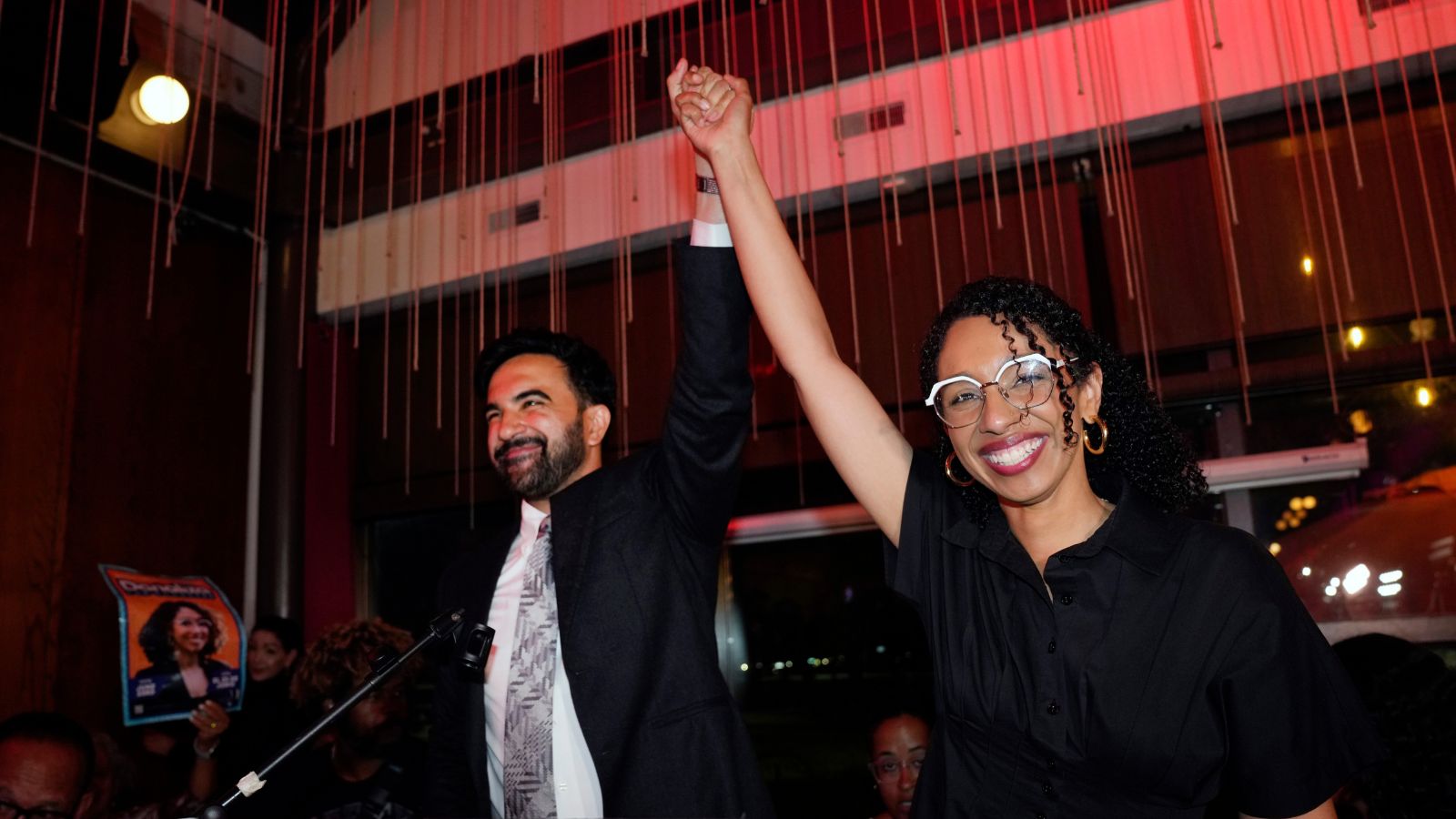
Three congressional primaries. Three handpicked insurgent candidates. Three absolute crushing victories.
When the dust settled, New York City Mayor Zohran Mamdani didn't just defend his turf. He expanded it right into the halls of Congress. His slate of progressives pulled off a clean sweep that has permanently rewritten the rules of New York Democratic politics. If you think Washington isn't paying attention to this, you're kidding yourself.
The Shockwaves in NY-10 and NY-13
Let’s look at the actual damage. The biggest shock of the night happened in Upper Manhattan and the Bronx. Five-term incumbent Adriano Espaillat, a towering political figure and chairman of the Congressional Hispanic Caucus, is out. He didn't just lose; he got toppled by a 32-year-old public defense investigator and doctoral student who has never held elected office.
Darializa Avila Chevalier ran a shoestring campaign powered by Mamdani’s ground game. She faced millions of dollars in establishment and outside PAC spending. Espaillat’s allies tried to dismiss her as a transplant who didn't understand the neighborhood. It didn't work. Working-class voters in East Harlem and the Bronx chose a candidate who promised to tax the rich and abolish ICE over a sitting political kingmaker.
Then there’s the 10th Congressional District. Dan Goldman, the two-term multimillionaire incumbent and former Trump impeachment prosecutor, lost his seat to Brad Lander. Lander is a familiar face. He served as city comptroller and ran for mayor last year before dropping out and cross-endorsing Mamdani.
That history matters. This wasn't a standard progressive challenge. It was a targeted ideological proxy war. Goldman had the backing of Governor Kathy Hochul and House Minority Leader Hakeem Jeffries. Lander had Mamdani, Senator Bernie Sanders, and an army of young volunteers. Lander’s critical stance on U.S. foreign policy and Israel's war in Gaza resonated deeply with downtown Manhattan and brownstone Brooklyn voters. The race was called barely five minutes after the polls closed. That is a bloodbath.
The Battle for the Commie Corridor
The third piece of the trifecta happened in the 7th Congressional District. Longtime Representative Nydia Velázquez is retiring. She left behind a deep-blue seat covering parts of Brooklyn and Queens—an area activists have taken to calling the "Commie Corridor."
Velázquez handpicked Brooklyn Borough President Antonio Reynoso to succeed her. Reynoso is no moderate; he has spent his entire career on the progressive wing of local politics. The Working Families Party and major labor unions lined up behind him. In any normal year, that would be enough to sail to victory.
Mamdani didn't care. He threw his weight and the backing of the Democratic Socialists of America behind State Assemblymember Claire Valdez. The ideological policy differences between Valdez and Reynoso were razor-thin on paper. This race came down to raw political identity and alignment. Valdez framed herself as the pure outsider who wouldn't compromise with establishment forces.
She won easily. Her victory proves that the traditional progressive infrastructure in New York is losing ground to Mamdani’s brand of democratic socialism. Voters in Western Queens and North Brooklyn aren't satisfied with regular liberals anymore. They want fighters who want to run the table, not just take a seat at it.
Why the Machine Blew It
Democratic party bosses made a classic mistake. They relied on traditional fundraising advantages and institutional endorsements while ignoring the deep frustration bubbling up on the streets.
Look at the voter turnout. Over 420,000 New Yorkers cast ballots in this primary. Manhattan and Brooklyn led the charge with heavy turnout in the exact neighborhoods that carried Mamdani to City Hall last November. The energy belonged entirely to the left.
The establishment tried to play the hits. They warned that democratic socialist policies would alienate swing voters in the upcoming national midterms. They spent heavily through groups like the American Israel Public Affairs Committee to protect incumbents. It backfired completely. For many young, college-educated voters, that heavy outside spending became a reason to vote against the establishment, not for it.
You can't beat an organized ground game with television ads and scare tactics anymore. Mamdani’s operation treats campaigns like long-term organizing projects. They build relationships in tenant unions, at protest lines, and outside immigration courts. When election day comes, they don't have to introduce their candidates. The voters already know them.
The New Reality for New York Democrats
The implications of Tuesday night go far beyond local bragging rights. This primary changes the national conversation about where the Democratic Party is heading.
With Valdez, Avila Chevalier, and Lander virtually guaranteed to win their general elections in these deep-blue districts, New York is sending a massive progressive block to Washington. They won't be quiet backbenchers. They are entering Congress with a clear mandate to push the party leftward on housing, labor, and foreign policy.
National leaders like Hakeem Jeffries tried to downplay Mamdani’s influence before the polls closed. They can't downplay it now. The path to political survival for New York Democrats no longer runs through party headquarters or real estate donor galas. It runs through the socialist-left coalition that now controls both City Hall and key pieces of the congressional delegation.
If you're a moderate Democrat sitting in a safe New York seat right now, you aren't sleeping well. The playbook for unseating entrenched incumbents has been perfected. Nobody is safe.
What Happens Next on the Ground
If you want to understand how this shifts local power right now, stop looking at Washington and look at the immediate political calendar.
The immediate task for progressives is building out the field infrastructure for the November midterm elections. The newly minted nominees need to transition from insurgent primary mode to coalition building. While they are safe in their individual districts, the broader party will expect them to help hold swing seats in the New York suburbs.
Pay close attention to how these new leaders interact with suburban campaigns. Candidates like Cait Conley in the 17th District are facing tough fights against incumbent Republicans. The establishment will blame the left if working-class rhetoric alienates moderate voters in places like Rockland or Westchester. Mamdani’s team has to prove their message can travel outside the city limits if they want to maintain absolute control over the state party's direction.
Keep an eye on the upcoming city council and legislative cycles. The volunteers who just knocked on doors for Lander and Valdez aren't going home. They have names, phone numbers, and data on hundreds of thousands of voters. That apparatus will be pointed directly at local state senate and assembly members who failed to fall in line during this cycle. The purge of the old guard is just getting started. Get ready.