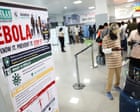
When Nigeria confirmed an Ebola case in Abuja in late October 2026, nobody needed a textbook to understand the panic. A single positive test for the Bundibugyo virus brought back memories of 2014, when a single traveler arriving by air in Lagos set off a chain reaction across Nigeria's health system.
Even trickier was the puzzle right at the center of the story. Health officials confirmed the infection in a 42-year-old woman—linked in reporting to a Swiss diplomatic household—who had flown back to Abuja from Uganda via Addis Ababa on October 3, developed symptoms on October 7, and didn't receive laboratory confirmation until October 20. Questions swirled over exactly where and how she caught it, especially after genomic sequencing pointed to a close match with an imported case in Kenya and officials floated a possible airport link in Uganda.
Here's the good news that got buried under early headlines. By mid-November 2026, the Nigeria Centre for Disease Control and Prevention (NCDC) wrapped up the mandatory 21-day monitoring period for all 62 identified contacts without a single secondary infection. Thirteen contacts developed fever or non-specific symptoms along the way, and all 13 tested negative. The patient herself had been medically evacuated to Switzerland and discharged from hospital care.
That doesn't mean the worry was irrational. It means the real story isn't a runaway epidemic in West Africa—it's how an imported mystery case collides with a massive regional surge and a nine-day gap between hospital admission and official notification.
Why an Unclear Source of Ebola Infection in Nigeria Spooks Epidemiologists
Whenever a patient tests positive for Ebola without an obvious, open-and-shut exposure story, disease detectives get nervous fast. With Ebola disease, tracing backwards isn't academic curiosity. It's how you figure out whether someone picked up the virus from an animal spillover event, a brief transit encounter, or an unrecognized transmission chain that already slipped past health screens.
In October 2026, investigators faced a messy timeline. The woman returned from Uganda on October 3, fell ill four days later, entered a private healthcare facility around October 10–11, and wasn't confirmed by the NCDC National Reference Laboratory until October 20. That gap between seeking private care and national notification matters. Early Ebola symptoms—fever, diarrhea, body aches, sore throat—look like malaria, typhoid, or a bad viral bug. Without a high index of suspicion right away, clinics can easily miss the window when isolation and contact listing are cleanest.
According to the CDC transmission guidance, orthoebolaviruses move from animal reservoirs—with African fruit bats strongly implicated—into people or intermediate wildlife like primates and forest antelopes, and then spread human-to-human through direct contact with blood, body fluids, or contaminated items once symptoms start. People aren't contagious before symptoms appear, and Ebola doesn't spread through the air like measles or influenza.
Still, an unexplained case in a major aviation hub raises two uncomfortable questions:
- Was there a silent transit or community exposure? Genomic data connecting the Nigerian case closely to Kenya's first imported case—alongside reports of a possible Uganda airport link—showed how quickly long-distance travel can connect dots across borders.
- How many contacts were missed before isolation? In large outbreaks, contact tracing often falls short of targets. A six-month situation report on the 2026 Bundibugyo outbreak noted that only 11% of confirmed cases across the broader response came from existing contact lists against a 95% target. Nigeria's team managed to track 62 contacts and clear all of them, which is a real credit to surveillance there, but getting to that point still required intense catch-up work.
Bigger Picture What the 2026 Bundibugyo Outbreak Means
You can't read the Abuja case in isolation. It happened against the backdrop of a historic Bundibugyo virus disease outbreak that began in the Democratic Republic of the Congo (DRC) in May 2026. By early November 2026, DRC health authorities had logged more than 10,600 to nearly 11,000 confirmed cases and over 5,100 to 5,300 deaths across eight provinces, with a crude case fatality rate near 49%.
Let's be honest about why that scale alarms public health leaders. Historically, Bundibugyo has often carried a lower case fatality rate than Ebola virus (Zaire), yet this outbreak's sheer size and spread across provinces—including Ituri and Nord-Kivu—have stretched response systems severely. And as Africa CDC Director-General Jean Kaseya pointed out when sending scientists to investigate the Nigeria origin puzzle, there is still no licensed vaccine or approved treatment specifically for Ebola Bundibugyo. Supportive care—fluids, electrolytes, symptom control, and strict infection prevention—remains the backbone of survival.
Comparing Nigeria's 2014 and 2026 Ebola Moments
People love comparing every new Ebola headline to 2014, and honestly, the comparison is useful if you look at the mechanics rather than the hype.
In 2014, an infected traveler flew into Lagos, leading to 20 cases in Nigeria (19 laboratory-confirmed) and eight deaths, with healthcare workers hit hard early on before aggressive contact tracing, isolation, and emergency coordination shut the chain down. Back then, the culprit was Ebola virus (EBOV), and transmission had already occurred inside healthcare settings before detection.
In October 2026, the virus in Abuja was the Bundibugyo species, detected as a single imported case in the Federal Capital Territory. The patient improved enough for medical evacuation to Switzerland, 62 contacts were tracked through 21 days, and zero secondary cases emerged. One contained imported case is miles away from an active local epidemic, even when the initial mystery around how she got infected looks scary on paper.
Common Misconceptions That Fuel Panic During Outbreaks
When a headline mentions Ebola and a mystery source in the same breath, bad assumptions spread almost as fast as rumors. A few myths need clearing up right away.
You Can Catch Ebola Simply by Walking Past Someone
No. Ebola isn't airborne. Sitting in the same room or passing someone on the street isn't how it spreads. Transmission requires direct contact—through broken skin or mucous membranes in the eyes, nose, or mouth—with blood or body fluids from someone who is sick or has died from the disease, or with items heavily contaminated by those fluids.
Someone Without Symptoms Can Pass It On
Also false. According to both the CDC and NCDC guidance, an infected person cannot spread Ebola before symptoms start appearing. That 21-day contact monitoring window exists because 21 days is the upper end of the incubation period—if a contact stays symptom-free for three full weeks after exposure, they aren't going to develop the illness from that contact.
Travel Bans Stop Imported Cases Cold
They don't, and health agencies usually push back against blanket bans for good reason. As the World Health Organization reiterated in its November 2026 outbreak update, travel and trade restrictions aren't recommended as a primary control measure. Blanket bans can push travelers onto informal routes, hurt economies, and slow medical or supply aid—while fever checks at airports still miss people incubating the virus without symptoms yet. Smart port health screening, fast diagnostics, and trained hospital triage do far more heavy lifting.
What You Should Actually Do If You Travel or Work in Healthcare
If you're reading this because you travel regionally, live in a major transit hub, or work on the front lines of care, panic won't protect you—clear habits will.
- Check active outbreak advisories before flying: Before traveling to or through regions experiencing active ebolavirus transmission, review current updates from the WHO Disease Outbreak News or the European Centre for Disease Prevention and Control so you know which areas have active spread and what entry or exit screening applies.
- Watch yourself for 21 days after potential exposure: If you've been in an affected area or had any contact with someone ill there, monitor for sudden fever, severe weakness, muscle aches, headache, sore throat, vomiting, or diarrhea.
- Call ahead instead of walking unannounced into a clinic: If symptoms start after relevant travel or exposure, call local health authorities or the clinic first so they can prepare isolation and protect staff. In Nigeria, the NCDC directs the public to call toll-free 6232 rather than relying on improvised home treatment.
- Treat every fever as a triage moment in clinics: Healthcare workers—especially in private clinics and outpatient triage—should routinely ask about travel and exposure history within the past 21 days, use proper personal protective equipment, and isolate unexplained fevers or bleeding early.
Even when the exact spark behind a single case stays murky for days or weeks, solid surveillance, honest risk communication, and disciplined isolation turn a scary headline into a contained event.