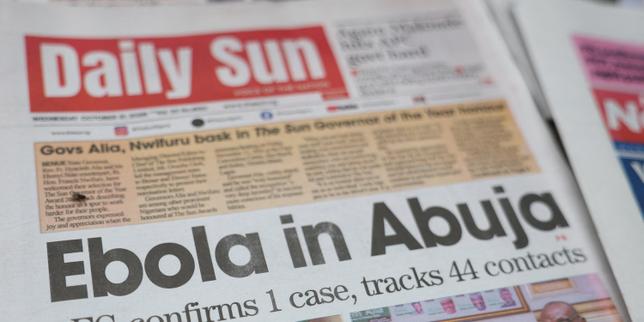
One confirmed Ebola case in Abuja turned a quiet October flight into an international health alert. A 42-year-old woman arrived in Nigeria's capital on October 3, 2026, after traveling from Uganda via Addis Ababa. She wasn't sick when she landed. Four days later, symptoms hit, and on October 20, the Nigeria Centre for Disease Control and Prevention confirmed Ebola disease caused by the Bundibugyo virus.
Headlines love a sudden scare. Public health reality is usually messier and, honestly, a bit more nuanced than a single breaking alert suggests. This wasn't an out-of-nowhere explosion across West Africa. It was a single imported case tied to a massive, ongoing regional outbreak of Bundibugyo virus disease that started in the Democratic Republic of the Congo earlier in 2026.
Let's unpack what actually happened, why the timeline between symptom onset and lab confirmation matters so much, and what you should really watch out for if you're traveling or tracking infectious diseases right now.
How the Nigeria Ebola Case Unfolded
When you read that Nigeria confirmed Ebola in a traveler from Uganda, the first question in your head is probably simple. How did she get here, and who was exposed?
According to situation reports from the Nigeria Centre for Disease Control and Prevention (NCDC) and summaries from the European Centre for Disease Prevention and Control (ECDC), the sequence played out over several weeks. After arriving in Abuja on October 3 via Addis Ababa, the woman developed symptoms on October 7. She went to a private health facility around October 10 to 11 with fever, diarrhea, generalized body aches, and a sore throat, without reported bleeding.
Notification to the NCDC didn't happen until October 19. Once alerted, public health teams moved fast, collecting samples and getting laboratory confirmation from the National Reference Laboratory on October 20. She was medically evacuated to Switzerland later in October and discharged from hospital on November 11. All 62 identified contacts in Nigeria completed their 21-day monitoring period on November 11, with no secondary cases reported in the country.
That nine-day gap between hospital admission and official notification to national authorities is the real story here. In outbreak response, time isn't just a metric. It's the difference between a contained single case and a hospital cluster.
Why Private Clinics Are Often the First Stop
In real-world epidemics, patients rarely walk straight into an isolation ward on day one. Early Ebola symptoms look like malaria, typhoid, influenza, or standard viral gastroenteritis. Fever and body aches in a tropical setting? Doctors see dozens of those every week.
From years of watching hemorrhagic fever responses, one pattern repeats again and again. Private clinics and smaller facilities often see index cases first, before public surveillance teams know a threat exists. If staff don't immediately ask about travel history or suspect a viral hemorrhagic fever, standard care happens without heightened isolation precautions.
Thankfully, in Abuja, 62 contacts were traced and monitored through the full 21-day incubation window without sparking local spread. Still, the delay reminds public health leaders that screening questions about recent travel to affected regions have to be routine, not an afterthought.
The Bigger Regional Picture Behind This Case
Looking at Nigeria in isolation misses why this case made global news. The patient's travel history connected West Africa to a much larger East and Central African crisis involving the Bundibugyo virus.
Since the outbreak was declared in May 2026, the Democratic Republic of the Congo has experienced sustained transmission across eight provinces, with thousands of confirmed cases and a crude case-fatality ratio near 49%. Uganda had also recorded cases earlier in the outbreak before its outbreak was declared over following the standard 42-day countdown without new confirmed cases. Meanwhile, Kenya reported a single cluster of nine cases linked to an imported case in October.
Genomic sequencing reported in late October linked viruses from the regional response to the same transmission chain originating in the DRC, highlighting just how porous cross-border movement and air transit can be. Even when one country closes its local chapter, regional movement keeps neighboring health systems on edge.
Why Bundibugyo Virus Is Different From Zaire Ebola
Most people hear "Ebola" and picture the Zaire species that dominated headlines in 2014–2016 and subsequent outbreaks. Bundibugyo virus is a different species within the same family, first identified in 2007 in western Uganda's Bundibugyo district.
Here is what makes Bundibugyo tricky from a medical standpoint:
- No licensed species-specific vaccine or treatment: Unlike Zaire ebolavirus, which has approved vaccines and monoclonal antibody therapies, Bundibugyo lacks a specifically licensed vaccine or approved targeted drug.
- Uncertain cross-protection: Researchers have studied whether licensed Zaire Ebola vaccines offer cross-reactive protection against Bundibugyo, yet surface glycoprotein differences mean protection cannot simply be assumed.
- Supportive care carries the load: Early fluids, electrolyte replacement, and intensive supportive care remain central to survival, making early detection and isolation vital.
That doesn't mean Bundibugyo is unstoppable. It means health workers rely heavily on classic outbreak basics, rapid lab diagnostics, strict infection control, and honest contact tracing.
What This Means for Travelers and Everyday Risk
If you're planning a trip or sitting thousands of miles away wondering whether you should panic, take a breath. For the general public outside active transmission zones, the risk remains very low.
Airlines and border authorities don't leave everything to chance, though screening has clear limits. A traveler can pass through an airport while completely asymptomatic during the incubation period, which typically spans up to 21 days. That's why public health agencies track contacts for three full weeks rather than relying solely on temperature checks at departure gates.
Let's be real about a common myth too. Ebola isn't airborne like measles or seasonal flu. You don't catch it just by walking past someone on a sidewalk or sitting across an aisle unless there is direct contact with blood or body fluids of a symptomatic person, contaminated materials, or infected animals.
Still, if you travel to regions with active or recent filovirus alerts, smart habits matter. Avoid contact with sick individuals or bushmeat, keep up with official advisories from organizations like the World Health Organization (WHO), and know how to report symptoms without rushing unannounced into a crowded clinic.
Practical Next Steps If You're Traveling or Tracking Alerts
Whether you're booking flights, managing a team on the ground, or simply following infectious disease news, a few concrete steps keep you grounded:
- Check current advisories before departure: Look up recent updates from your national health agency, the WHO, or the ECDC for both your destination and any transit hubs.
- Call ahead if you feel unwell after travel: If you develop sudden fever, severe weakness, headache, vomiting, diarrhea, or unexplained bleeding within 21 days of visiting an affected area, isolate from close contact and call local health authorities before visiting a clinic.
- Stick to primary data over rumor mills: Social media rumors move faster than lab results. Rely on official situation reports from national health ministries and international agencies rather than unverified chain messages.
One imported case in Abuja tested Nigeria's surveillance system and showed both its speed once notified and the importance of catching suspected cases early. Staying informed, calm, and practical beats fear every single time.