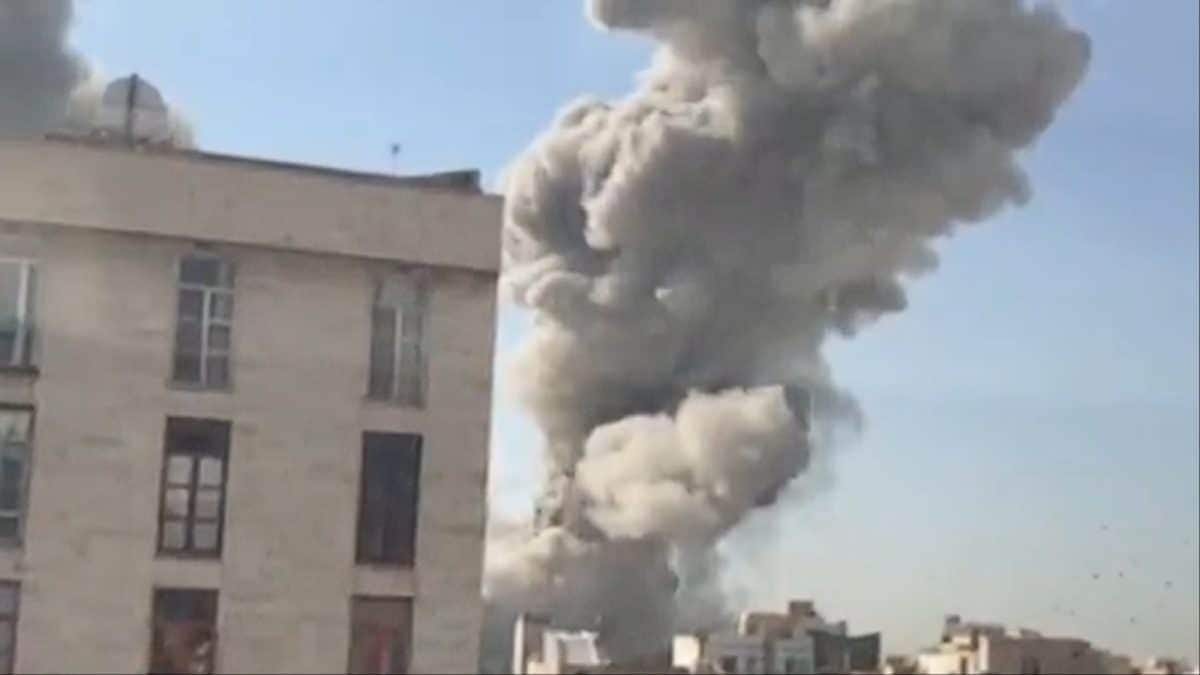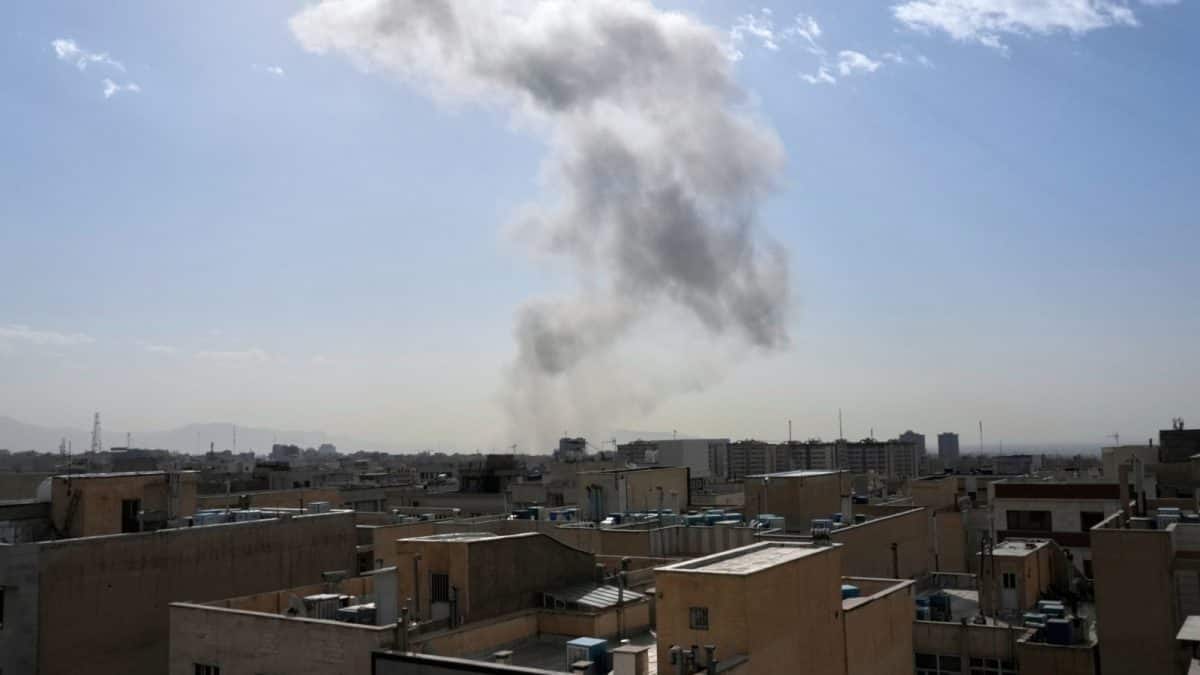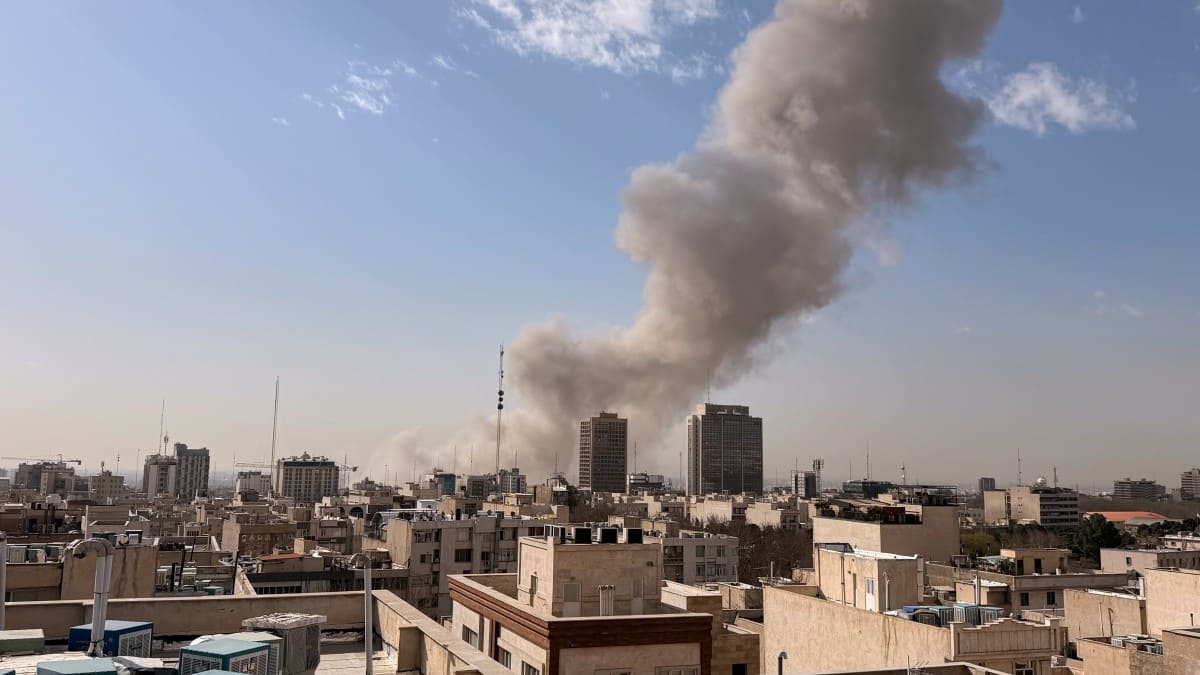
The sirens didn't just signal another skirmish. This was the moment the shadow war finally stepped into the light. When the first reports filtered through about joint US and Israeli strikes hitting the heart of Tehran, it wasn't just another headline. It was the collapse of a decades-old status quo. We aren’t talking about a small drone clip or a "tit-for-tat" exchange in a third-party country. This was a direct, coordinated hammer blow aimed at the very nervous system of the Iranian regime.
Reports confirm that the strikes specifically targeted high-security zones, including locations tied directly to the Supreme Leader’s office. You don't hit the Ayatollah’s doorstep by accident. That’s a message written in fire. It says the old "red lines" are gone. If you’ve been following the escalation over the last few months, you knew the tension was a powder keg. Now, the fuse has finally burned down.
Why the Ayatollah’s Office Was the Real Target
Military experts and regional analysts have long debated what a "maximum pressure" campaign actually looks like. This is it. By hitting infrastructure so close to the Supreme Leader, the US and Israel aren't just taking out missile sites or radar stations. They're attacking the regime's sense of invincibility.
For years, the Iranian leadership operated under the assumption that their central command was a "no-go" zone for Western strikes. They figured the risk of a total regional war would keep Washington and Jerusalem at bay. That gamble failed. The psychological impact of seeing smoke over the most protected districts in Tehran outweighs the physical damage to any building. It tells every high-ranking official that they're reachable. Nowhere is safe.
The precision involved here is staggering. We’re seeing reports of "bunker-buster" munitions and electronic warfare suites that blinded Iranian air defenses long before the first explosion. This wasn't a blind carpet-bombing run. It was a surgical strike designed to decapitate communication lines and signal that the leadership itself is on the menu if things continue to spiral.
Coordination Between Washington and Jerusalem
The level of integration between the US and Israel during this operation marks a massive shift in Biden-era policy. While there’s often been talk of "consultation," this was a full-blown joint execution. US tankers provided the mid-air refueling necessary for Israeli F-35s to make the long haul, while American intelligence assets provided the real-time targeting data.
It’s a massive middle finger to the idea that there's daylight between the two allies. Despite the political friction we see in the news, when it comes to the Iranian nuclear program and regional hegemony, the military machine is a single unit. This level of cooperation doesn't happen overnight. It requires months of joint exercises, shared codes, and a mutual agreement that the time for "de-escalation" through diplomacy has passed.
The US participation is the most telling part. For months, the White House urged restraint. Something changed. Maybe it was intelligence regarding a breakout in nuclear enrichment, or perhaps it was a response to the constant barrage from Iranian proxies that finally pushed the Pentagon over the edge. Regardless of the "why," the "how" is clear: the US is no longer just a bystander providing weapons. They’re pulling the trigger.
The Immediate Fallout Inside Iran
Social media clips—the ones that made it past the state-mandated internet blackouts—showed a city in total shock. Tehran is a sprawling metropolis of nearly 9 million people. Hearing the thunder of supersonic jets and the crump of heavy munitions in the middle of the night isn't something you just shrug off.
We’re hearing reports of massive traffic jams as people try to flee the city center. There’s a run on fuel and basic goods. The Iranian rial, already struggling, is basically in freefall on the black market. The regime’s first move was to claim they shot everything down. That’s their standard playbook. But you can’t hide the smell of cordite and the sight of charred ruins in the capital.
Critical Infrastructure Hit
- Air Defense Arrays: S-300 and S-400 batteries around Tehran were reportedly the first to go.
- Drone Factories: Facilities responsible for the Shahed drones used in Ukraine and against Israel were high on the target list.
- Logistics Hubs: Command and control centers that coordinate with groups like Hezbollah and the Houthis.
This wasn't about "punishing" Iran. It was about "disabling" them. By taking out the air defense systems first, the US and Israel have effectively opened the door for more strikes whenever they want. Iran is currently a house with no locks on the doors.
What This Means for the Global Oil Market
If you think this is just a Middle East problem, look at the gas pump. Iran sits on the Strait of Hormuz. Roughly 20% of the world's oil passes through that narrow choke point. The moment the first bomb fell, oil traders in London and New York were already hitting the "buy" button.
There's a very real fear that Iran will try to close the Strait in retaliation. If they do, global energy prices will skyrocket. We’re talking about a potential shock that could trigger a global recession. The US Navy has a massive presence in the Persian Gulf specifically to prevent this, but a desperate regime might try anyway. They don't have many cards left to play.
Misconceptions About the Nuclear Element
A lot of people think these strikes were a direct hit on the nuclear reactors. While some of the targeted sites are certainly part of the broader military-industrial complex that supports the nuclear program, hitting a live reactor like Bushehr would be a whole different level of mess.
The goal here was likely to destroy the "delivery systems"—the missiles and the command structures—rather than the nuclear material itself. If you destroy the car, the fuel in the garage doesn't matter as much. By focusing on the Ayatollah’s office and the IRGC headquarters, the message is about political survival, not just scientific capability.
Where Does This End
The ball is now in Tehran's court. They have two choices, and neither of them is good. They can retaliate with a massive missile barrage of their own, which would almost certainly trigger a full-scale invasion or the total destruction of their navy. Or, they can take the hit, try to save face domestically, and pivot back to the shadows.
The problem is that the "shadows" aren't safe anymore. The technological gap between the US-Israeli alliance and the Iranian military has never looked wider. Iran’s "vaunted" air defenses looked like paper targets. Their proxy network is being squeezed.
The most immediate danger is a "Sampson Option" where the regime decides if they’re going down, they’re taking the neighborhood with them. This involves turning Hezbollah loose on northern Israel with everything they have. If that happens, the war we saw tonight will look like a rehearsal.
Keep an eye on the official statements from the IRGC. If they start using words like "unprecedented" and "definitive," they’re prepping their public for a counter-strike. If they stay quiet and downplay the damage, they’re looking for a way out.
For anyone living in the region or invested in global stability, the "wait and see" period is over. We’re in the middle of it now. The map of the Middle East is being redrawn in real-time. If you haven't checked your emergency supplies or looked at your investment portfolio’s exposure to energy, now is the time. The next 48 hours will determine if this was a one-off strike or the opening salvo of World War III.
Monitor the live flight trackers over the Persian Gulf. Watch the price of Brent Crude. Watch for any unusual movement from the US 5th Fleet. The silence from certain world capitals right now is louder than the explosions. Everyone is holding their breath to see if Tehran blinks or bites.